
Crypto Mining Legality: Where It’s Allowed, Banned, and Risky in 2025
When you mine crypto mining, the process of validating blockchain transactions and earning new coins as a reward. It’s not just about running hardware—it’s about navigating laws that vary wildly from one country to the next. What seems like a simple tech activity can land you in legal trouble, even if no law explicitly says it’s illegal. In some places, you’re free to plug in your ASICs. In others, you’re risking fines, jail, or having your equipment seized—all without ever breaking a single crypto rule.
That’s because crypto mining legality, the legal status of using computing power to earn cryptocurrency isn’t always written in stone. In Bangladesh, a country where the 1947 Foreign Exchange Act is used to block crypto transactions, mining exists in a gray zone: not technically illegal, but financially dangerous. Meanwhile, in China, a nation that banned all crypto activities in 2021 and enforces it aggressively, mining is a criminal offense. Even if you’re not mining Bitcoin, but instead Ethereum or a new altcoin, the same rules apply. And in places like Ecuador, where banks are forbidden from processing crypto payments, mining might be legal—but cashing out your rewards is nearly impossible without breaking banking rules.
It’s not just about bans. Taxes matter just as much. In Switzerland, crypto is treated as wealth, not income, so miners must declare holdings annually but pay no capital gains tax. But in the U.S., the IRS treats mined coins as taxable income the moment they’re received. Miss reporting that, and you’re looking at up to five years in prison and $250,000 in fines. Even if mining itself is legal, crypto tax, the obligation to report earnings from mining, staking, or trading can turn a quiet hobby into a legal nightmare.
And here’s the catch: just because a country hasn’t passed a law against mining doesn’t mean it’s safe. Many governments use existing financial, energy, or anti-money laundering laws to shut down miners. In Russia, miners face sudden electricity price hikes. In Iran, the government steals mining rigs. In Kazakhstan, they suddenly cut power to mining farms. The rules change fast, and they’re rarely published clearly.
What you’ll find below isn’t a list of countries that say ‘mining is legal.’ It’s a deeper look at where mining actually works, where it’s quietly banned, and where people are getting caught—even when they think they’re safe. From cloud mining scams to home setups that trigger government audits, these posts show you the real-world risks and loopholes no official guide will tell you about. You’ll learn what’s happening in Japan, India, and beyond—not just what’s on paper, but what’s happening on the ground.
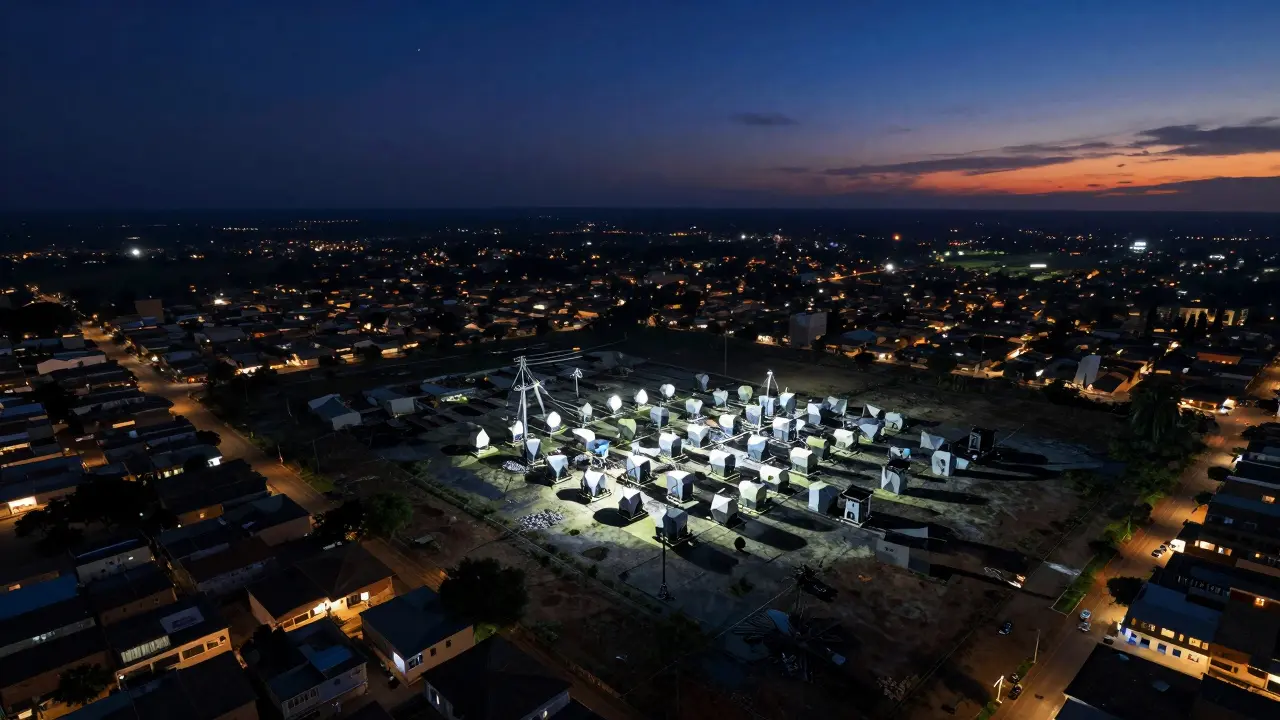
Angola banned cryptocurrency mining in April 2024 to protect its fragile power grid. The law led to mass seizures of mining gear, prison sentences, and a 68% drop in blackouts. Here's what happened and why it matters.
- Read More
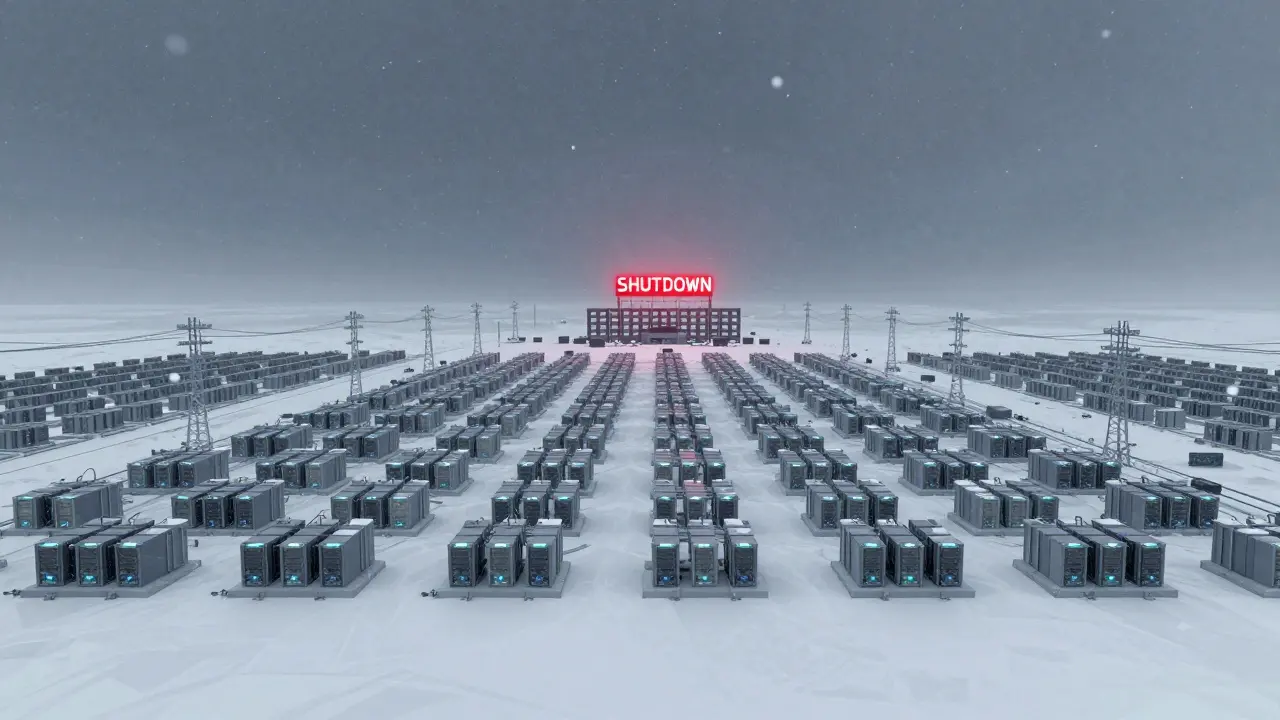
Russia legalized crypto mining in 2025 but imposed strict rules: regional bans, seasonal shutdowns, mandatory registration, 15% profit tax, and remote power cuts. Know where you can mine, when you’ll be shut off, and how to avoid heavy fines.