
Angola Crypto Mining Ban as of April 2024: What Happened and Why It Matters
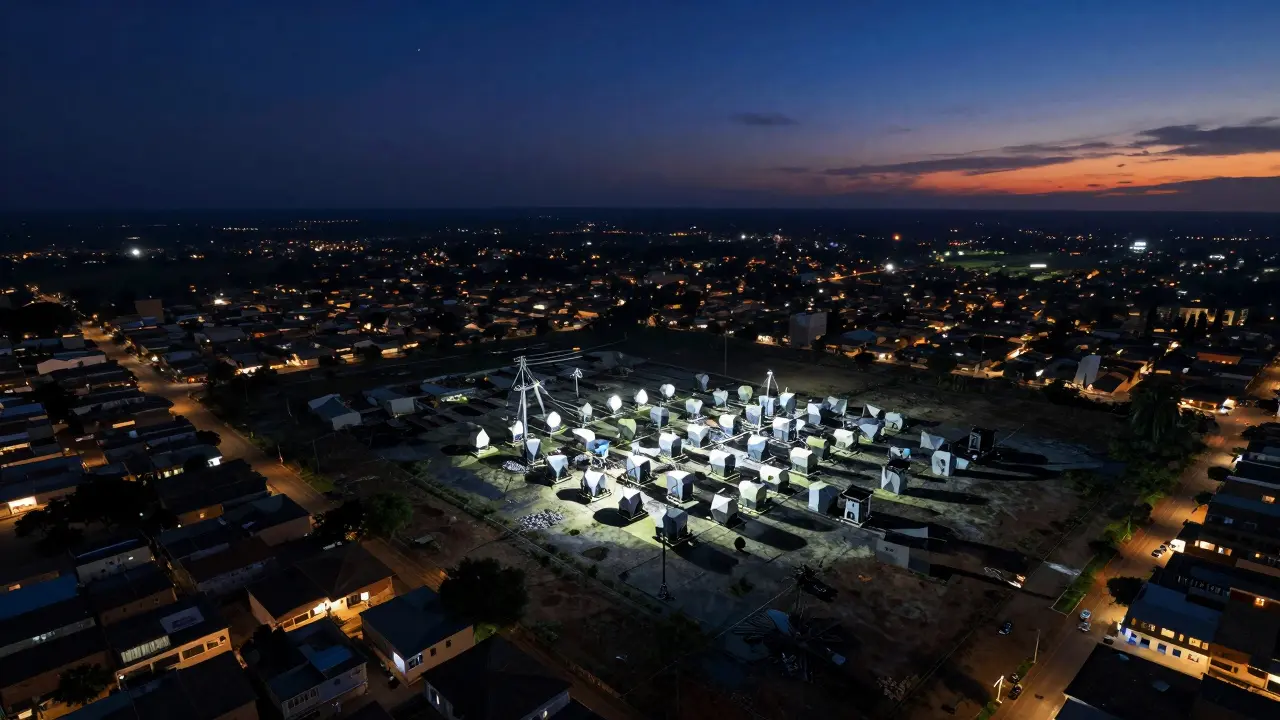
Before April 2024, Angola was one of the biggest Bitcoin mining countries in the world. Not because it had cheap electricity or tech hubs, but because it had none of the rules that stopped mining elsewhere. Then, everything changed. On April 10, 2024, Angola made it illegal to mine any cryptocurrency inside its borders - not just Bitcoin, but all of them. And they didn’t just write a law. They enforced it with force.
What the Law Actually Says
Angola’s Law No. 3/24 didn’t just say "no mining." It laid out exactly what’s forbidden: mining cryptocurrencies, using electricity for mining, and connecting mining rigs to the national power grid. Even owning mining equipment without permission is a crime. The penalties aren’t light. If you’re caught mining, you could face one to twelve years in prison. If you just have the gear - even if you haven’t turned it on - you could get one to five years behind bars. And everything you own: computers, power supplies, cooling units - gone. Confiscated. No warning. No second chance.Why Angola Did This
This wasn’t about stopping digital money. It was about stopping blackouts. Angola’s power grid was collapsing under the weight of mining operations. In late 2023, the country became the eighth-largest Bitcoin mining hub on Earth. Most of those rigs were run by Chinese companies that moved there after China banned mining in 2021. They didn’t care about local laws - they cared about cheap power. And Angola, struggling with aging infrastructure and frequent outages, didn’t have the capacity to handle it. Residents in cities like Luanda and Benguela started losing power for hours, sometimes days. Hospitals couldn’t run life-saving equipment. Schools shut down. Factories stalled. The government realized: if they kept letting miners use up to 30% of the country’s electricity, millions of ordinary people would keep paying the price. So they shut it down. Hard.The Crackdown: $37 Million in Gear Seized
The law wasn’t just on paper. In August 2024, Interpol and Angolan police raided 25 illegal mining farms. Sixty Chinese nationals were arrested. More than $37 million worth of mining equipment was seized - thousands of ASIC machines, transformers, generators, cooling systems. The government said they’d redistribute the gear to schools, clinics, and community centers. Not sell it. Not auction it. Give it away to people who needed it most. The Chinese Embassy had already warned its citizens months before the ban took effect. A notice, translated into Mandarin, said: "Possession of mining equipment is punishable by imprisonment and asset seizure." Many miners ignored it. Some fled. Others got caught.What About Other Crypto Activities?
The ban only covers mining. Buying, selling, holding, or transferring crypto isn’t illegal in Angola. You can still own Bitcoin. You can still trade it on peer-to-peer platforms. But if you try to mine it? You’re breaking the law. That’s an important distinction. Angola isn’t banning digital currency - it’s banning the energy-hungry process that fuels it.
Legal Loopholes and Enforcement Problems
There’s one problem: the law has a typo. Legal experts from CMS Law Firm found a mistake in how the penalties for companies are numbered. It’s a small error, but in court, it could mean delays, confusion, or even dismissed cases. The government hasn’t fixed it yet. That doesn’t mean the ban won’t hold - it still does. But it does mean enforcement might be messy in some cases.Regional Ripple Effects
Angola’s move sent shockwaves across Africa. Zambia cracked down on fake crypto investment scams that tricked 65,000 people out of $300 million. Nigeria and Kenya tightened rules on crypto exchanges. But Angola was the first to go all-in on banning mining outright. Other countries watched. Some are considering similar moves. If you’re running a mining operation in a country with unstable power, you’re now on notice.What This Means for the Global Bitcoin Network
Angola was mining more Bitcoin than countries like Germany and France in late 2023. When those rigs went dark, the global hash rate dropped. Not dramatically - Bitcoin is resilient - but enough to make miners in the U.S., Canada, and Kazakhstan notice. Some shifted operations to other African nations. Others moved to places with cheap, renewable power. The ban didn’t kill mining. It just moved it.
Who Lost and Who Won?
The miners? They lost. Hundreds of machines are now sitting in government warehouses. Their profits vanished. Their freedom was at risk. The people of Angola? They won. Power outages dropped by 68% in the six months after the ban, according to state utility reports. Schools got new projectors. Clinics got backup batteries. Rural areas got solar-powered water pumps - all from seized mining gear. The global crypto community? It’s watching. Angola proved that a country with weak infrastructure can still take a stand - and win. Other nations might follow.What If You’re Still Mining in Angola?
Don’t. It’s not worth it. The risk isn’t just legal. It’s personal. If you’re caught, you’re looking at prison. Your equipment will be taken. You might be deported. There’s no gray area. The law is clear. The enforcement is real. Even if you think you’re hidden - the power grid doesn’t lie. Mining rigs draw massive, unnatural spikes in electricity usage. Utilities can spot them.What’s Next for Angola?
Angola is now focusing on building a stable, modern power grid. They’re investing in solar farms and hydroelectric upgrades. They’re talking about regulating crypto exchanges - but only if they’re licensed and don’t use local power. For now, the message is simple: if you want to mine crypto in Angola, you can’t. And if you try, you’ll pay the price.Is cryptocurrency mining still legal in Angola as of 2025?
No. The ban under Law No. 3/24, enacted on April 10, 2024, remains fully in effect. Mining any cryptocurrency - including Bitcoin, Ethereum, or others - is illegal. Possession of mining equipment without authorization is also a criminal offense punishable by prison time and asset seizure.
Can I still buy or hold Bitcoin in Angola?
Yes. The ban only targets mining. Buying, selling, holding, or transferring cryptocurrency through peer-to-peer platforms or foreign exchanges is not illegal. However, using Angolan electricity to mine or power crypto-related operations remains prohibited.
What happened to the seized mining equipment?
Over $37 million in mining hardware was confiscated in a major Interpol-backed raid in August 2024. The Angolan government announced plans to redistribute the equipment to public institutions - including schools, hospitals, and community centers - to improve infrastructure and public services.
Why did Chinese miners go to Angola in the first place?
After China banned cryptocurrency mining in 2021, many Chinese mining companies relocated to countries with loose regulations and low electricity costs. Angola, with its underutilized power grid and lack of enforcement, became a top destination. By late 2023, it was the eighth-largest Bitcoin mining hub globally.
Did the ban fix Angola’s power problems?
Yes, significantly. In the six months after the ban, residential power outages dropped by 68%. The government credits the removal of massive, unregulated mining operations for restoring stability to the grid. Energy now flows more reliably to homes, clinics, and schools.
Are there any legal ways to mine crypto in Angola?
No. There are no exceptions, licenses, or legal loopholes for mining. The law prohibits all forms of cryptocurrency mining, regardless of scale, ownership, or purpose. Even small-scale operations using solar panels or backup generators are illegal if connected to any power source within Angola.
Could Angola reverse the ban in the future?
Unlikely in the near term. The ban was driven by urgent energy security needs, not just anti-crypto sentiment. With public support high and infrastructure still improving, reversing the law would risk returning to the blackouts that hurt millions. Any future policy would likely focus on regulated, low-energy crypto services - not mining.
surendra meena
December 31, 2025 AT 05:02Josh Seeto
December 31, 2025 AT 16:45Kevin Gilchrist
January 2, 2026 AT 03:00NIKHIL CHHOKAR
January 2, 2026 AT 21:19Mike Pontillo
January 3, 2026 AT 19:15Joydeep Malati Das
January 5, 2026 AT 03:11Adam Hull
January 5, 2026 AT 13:46Mandy McDonald Hodge
January 7, 2026 AT 08:47Andrew Prince
January 8, 2026 AT 01:57Jordan Fowles
January 9, 2026 AT 00:15Steve Williams
January 9, 2026 AT 23:34Bianca Martins
January 10, 2026 AT 23:54