
Trustless Exchange: What It Is and How It Changes Crypto Trading
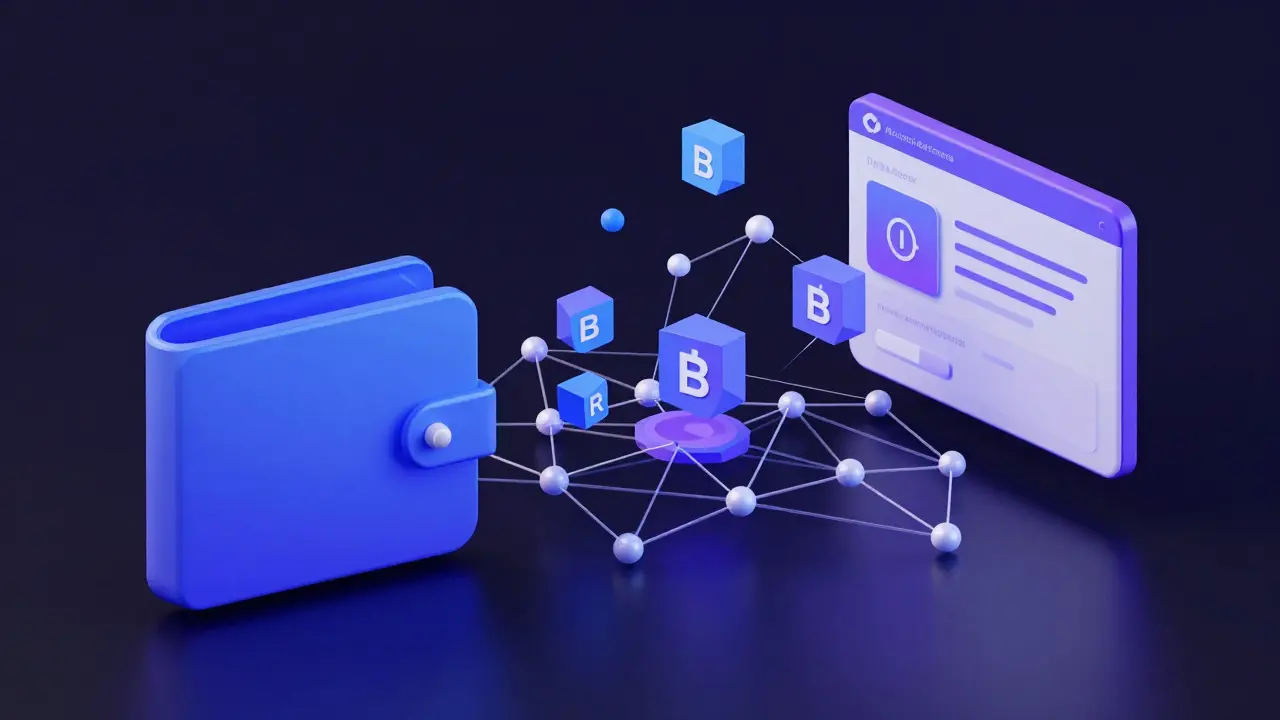
When you trade on a trustless exchange, a platform that enables peer-to-peer crypto trading without a central authority holding your funds. Also known as decentralized exchange, it removes the need to deposit your coins with a company that could freeze your account, get hacked, or disappear overnight. This isn’t just a technical upgrade—it’s a shift in power. You keep your keys. You control your assets. And you trade directly with others on the blockchain.
Trustless exchanges rely on smart contracts, self-executing code that automatically handles trades when conditions are met instead of human operators. That’s why platforms like Uniswap v2 on Base or Antarctic Exchange can run without customer support teams or withdrawal delays. They don’t hold your money—they just match buyers and sellers. This cuts out middlemen, reduces fees, and makes it harder for anyone to steal your crypto. But it also means you’re responsible for everything: your wallet security, your gas fees, and your trade timing. There’s no customer service line if you send funds to the wrong address.
These systems work best when paired with non-custodial wallets, wallets where only you control the private keys. You can’t use a trustless exchange with an exchange wallet like Coinbase or OKX—you need to move your crypto into a wallet like MetaMask or Phantom first. That’s why many of the posts here focus on wallets, chain-specific tools, and security audits. A trustless exchange is only as safe as the tools you use with it.
Some platforms, like CoinSwap.com or MDEX, tried to combine trustless trading with extra features like staking or referral rewards—but most failed because they didn’t solve the real problems: low liquidity and poor user experience. The winners today are simple, fast, and built for users who know what they’re doing. If you’re new, you’ll need to learn how gas fees work, how to check contract addresses, and why a 99.8% price drop on a token like Pine (PINE) means it’s probably dead. That’s the reality of decentralized trading: no one’s watching your back.
What you’ll find below are real-world examples of trustless exchanges in action—some working, some gone, some outright scams. You’ll see how sidechains like Base make trading cheaper, how regulatory rules in Japan or Russia force platforms to adapt, and why a zero-gas futures exchange like Antarctic Exchange appeals to pros. You’ll also learn why some projects pretend to be trustless but still control your funds behind the scenes. This isn’t theory. It’s what’s happening right now.
Block DX is a fully decentralized crypto exchange with no KYC, self-custody, and on-chain trading. Learn how it works, its pros and cons, and whether it's right for you in 2025.
- Read More