
Russia Crypto Regulations 2025: What’s Allowed, Blocked, and Changing
When it comes to Russia crypto regulations 2025, the legal framework governing cryptocurrency use, trading, and taxation in Russia as of 2025. Also known as Russian crypto law, it’s no longer about whether crypto is legal—it’s about how tightly the government controls it. Unlike countries that fully ban digital assets, Russia walks a tightrope: it bans crypto as payment but allows trading and mining under strict oversight. The real story isn’t in the headlines—it’s in the fine print of tax codes, exchange licensing, and the push for the digital ruble.
Behind every rule is a deeper shift. The digital ruble, Russia’s central bank digital currency (CBDC) being rolled out as a state-controlled alternative to private crypto. Also known as CBDC Russia, it’s not just a tech project—it’s a weapon to reduce reliance on the U.S. dollar and track every ruble movement. This isn’t theory. In 2025, banks are required to report crypto transactions over 600,000 rubles ($6,500) to tax authorities. Mining is legal but only if you register as a legal entity and pay corporate taxes. Personal wallets? You can hold them, but you can’t use them to buy coffee or pay bills. And if you try? You risk fines or worse.
Then there’s the crypto taxation Russia, the system that treats crypto gains as income, not capital, forcing traders to report every trade like a salary. Also known as crypto income tax Russia, it’s one of the most aggressive in the world—no deductions, no exemptions, no grace period. If you bought Bitcoin in 2023 and sold it in 2025, you owe tax on the full profit, even if you never cashed out to rubles. The Federal Tax Service now connects directly to major exchanges, and audits are rising. People who thought they could hide behind anonymity are getting caught.
What’s missing? Real freedom. No major exchange is fully licensed to operate in Russia without KYC and government oversight. Decentralized platforms like Block DX or Antarctic Exchange? Technically not illegal, but they’re not safe either. If you use them, you’re on your own. No recourse if funds vanish. No legal protection. And with the digital ruble expanding, the government’s goal is clear: make crypto irrelevant for daily life while keeping it as a speculative asset under lock and key.
Below, you’ll find real reviews, warnings, and breakdowns of how these rules play out on the ground—from exchanges blocked in Russia to scams targeting traders who think they’ve found a loophole. No fluff. No guesses. Just what’s happening now.
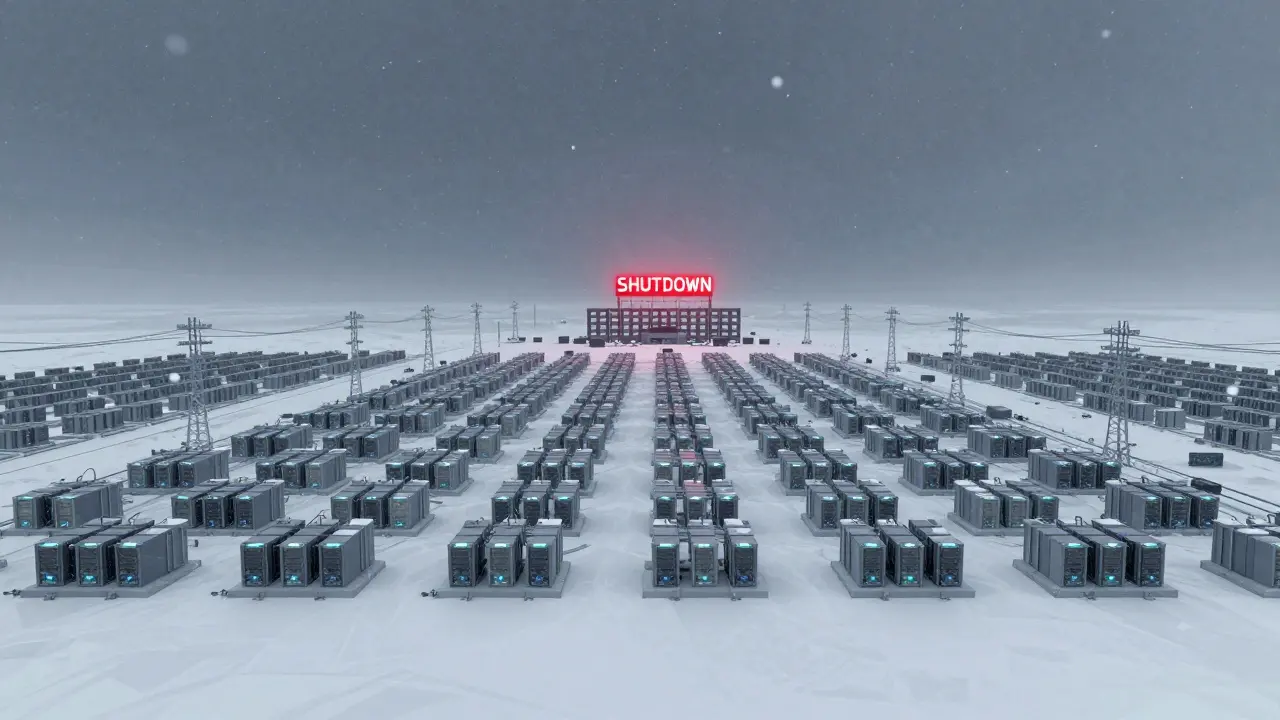
Russia legalized crypto mining in 2025 but imposed strict rules: regional bans, seasonal shutdowns, mandatory registration, 15% profit tax, and remote power cuts. Know where you can mine, when you’ll be shut off, and how to avoid heavy fines.
- Read More