
Russia Crypto Law: What’s Allowed, Blocked, and How It Affects Traders
When it comes to Russia crypto law, the set of rules governing cryptocurrency use, trading, and taxation in the Russian Federation. Also known as Russian digital asset regulations, it’s a mix of restrictions, gray zones, and unexpected openings that make it one of the most confusing crypto environments in the world. Unlike China’s total ban or the U.S.’s patchwork of state rules, Russia walks a tightrope—officially banning crypto as payment but allowing it as property, mining, and trading under strict conditions.
This duality means you can legally mine Bitcoin, using hardware to validate transactions and earn rewards in Siberia, but you can’t use it to buy coffee in Moscow. The crypto taxation Russia, how the government treats crypto gains and holdings for tax purposes is still evolving, but as of 2025, profits from trading are taxed at 13% for residents. Meanwhile, crypto exchange Russia, platforms operating legally within Russia’s regulatory framework must register with the central bank, enforce KYC, and block foreign users. Many global exchanges like Binance and OKX have pulled out or restricted access entirely, forcing Russian traders to rely on P2P networks or local platforms like CEX.IO and Bybit’s Russia-specific portal.
What’s not said out loud? The law doesn’t ban holding crypto—it bans using it as money. That’s why Russians still trade, hold, and even use crypto for cross-border remittances through informal channels. The government’s push for a digital ruble doesn’t mean crypto is dead—it just means it’s being pushed into the shadows. If you’re trading from Russia, you’re not just chasing returns—you’re navigating a legal minefield where one wrong move could trigger a tax audit, asset freeze, or even criminal charges under money laundering statutes.
Below you’ll find real-world breakdowns of how this plays out: from banned exchanges to tax loopholes, from mining regulations to the rise of local crypto platforms. These aren’t theoretical guides—they’re reports from traders, miners, and investors who’ve lived through the changes. Whether you’re trying to stay compliant, avoid scams, or understand why certain coins disappeared from Russian wallets, the answers are here.
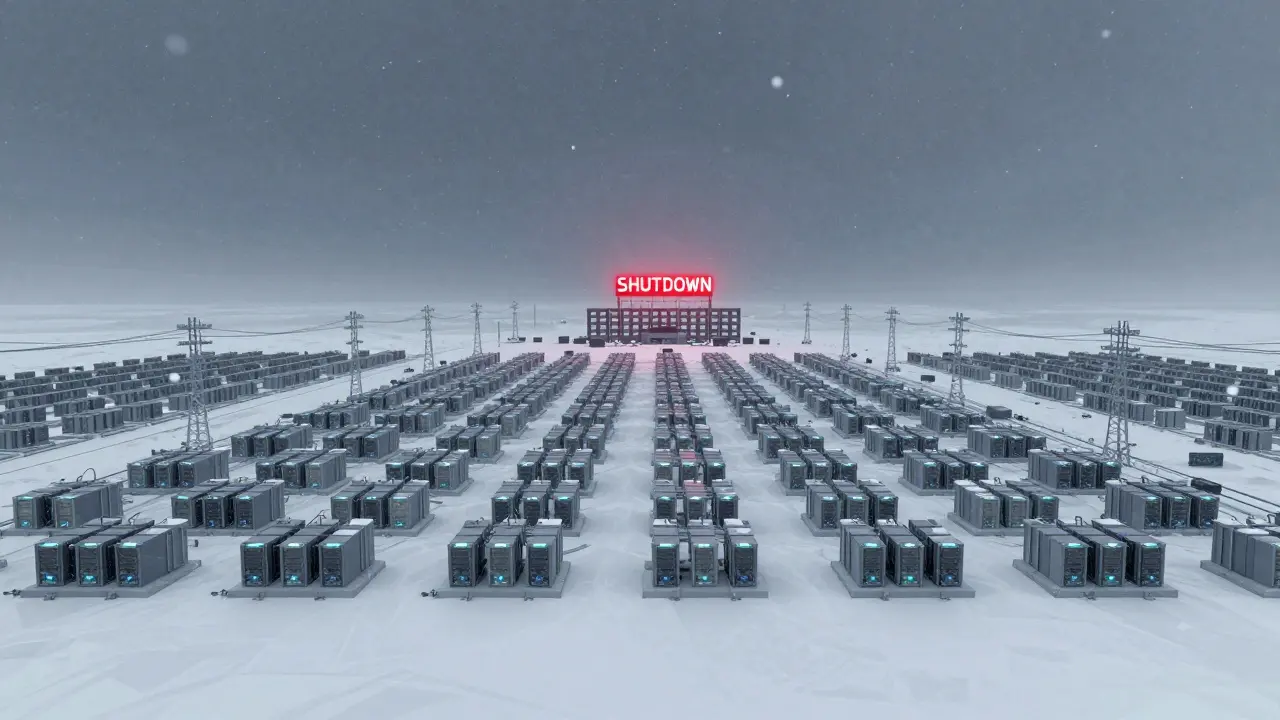
Russia legalized crypto mining in 2025 but imposed strict rules: regional bans, seasonal shutdowns, mandatory registration, 15% profit tax, and remote power cuts. Know where you can mine, when you’ll be shut off, and how to avoid heavy fines.
- Read More