
Play-to-Own Gaming: What It Is, How It Works, and Why It’s Changing Crypto Games
When you hear play-to-own gaming, a model where players gain real ownership of in-game assets as non-fungible tokens (NFTs) through gameplay. Also known as NFT gaming, it flips the script on traditional gaming by letting you hold, trade, or sell what you earn—no middleman, no platform taking it away. Unlike play-to-earn, where you collect tokens that can crash or vanish, play-to-own is about keeping something tangible: a weapon, a land plot, a rare character skin—all recorded on the blockchain as yours forever.
This shift matters because it changes who controls the game. In most games, the developer owns everything. In play-to-own, you do. That’s why projects like X World Games, a blockchain gaming ecosystem where players earn NFTs through quests and staking and Dinosaureggs, a game where NFTs represent dinosaurs and land, and token airdrops reward active players focus on real utility over hype. You’re not just grinding for points—you’re building a digital asset portfolio. And that’s why scams like fake DogemonGo Landlord NFT airdrop, a fraudulent promotion pretending to offer free NFTs to lure crypto users keep popping up: people are finally starting to value ownership, and scammers want a piece of it.
But play-to-own isn’t just about NFTs. It’s tied to how games are built—on sidechains like Polygon or Base, where transactions are cheap and fast, so you can trade your gear without paying $50 in gas fees. It’s connected to decentralized exchanges like Block DX and Antarctic Exchange, where you can swap your in-game items without handing over your wallet keys. And it’s why token distribution models matter: if 80% of tokens go to the team, you’re not really owning anything. Real play-to-own projects give players a real stake, not just a token.
What you’ll find here aren’t guesses or hype pieces. These are deep dives into actual games, tokens, and platforms where ownership is real—or where it’s a lie. You’ll see how a $0 token like VIKC or PINE looks like a play-to-own project on paper but collapses in practice. You’ll learn why XWG’s Dream Card NFT has no airdrop but still has value through gameplay. You’ll spot the difference between a project that gives you assets and one that just gives you a promise.
- Dec, 8 2025
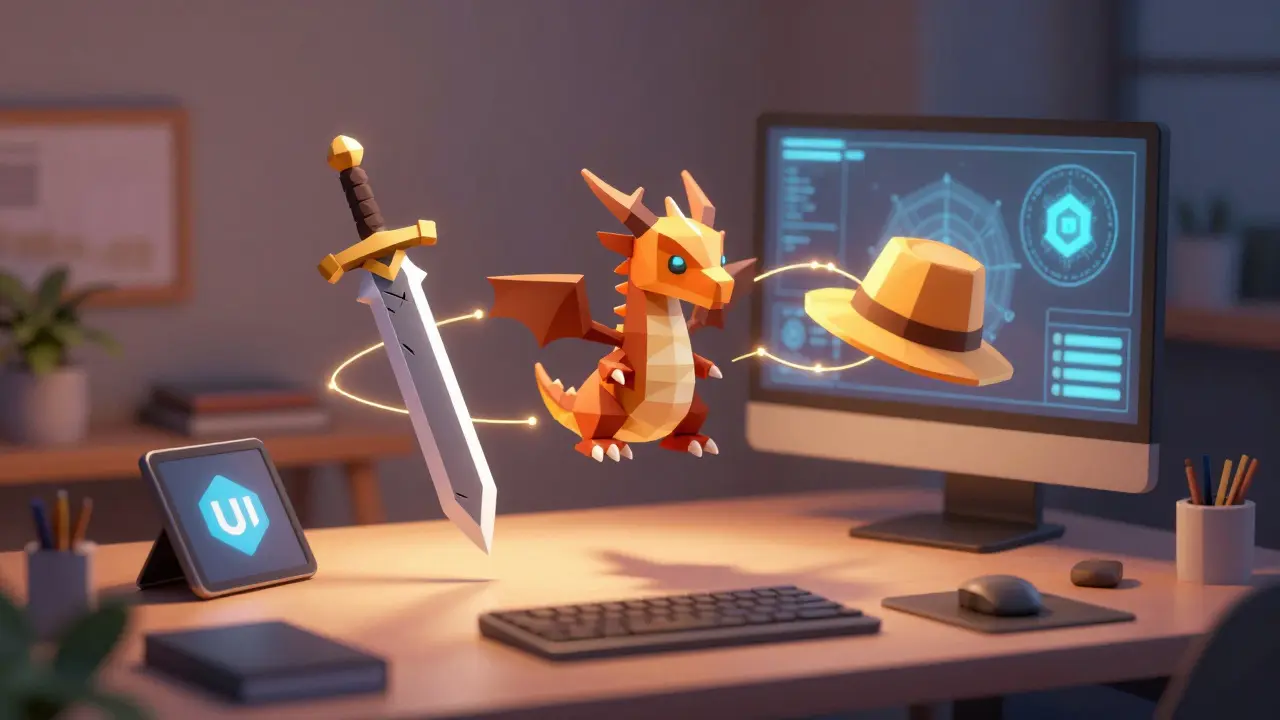
NFTs are transforming game development in 2025 by enabling true ownership, cross-game asset use, ongoing royalties, and player-driven economies. Developers now build games that earn long-term and grow with their communities.
- Read More