
NFTs for games: What they are, how they work, and why most fail
When you hear NFTs for games, digital assets tied to in-game items like characters, land, or gear that players can own and trade outside the game. Also known as blockchain gaming assets, they were supposed to give players real control over what they earn while playing. But in practice, most of them don’t work like that. Instead of giving you ownership, they often just lock you into a system where the game’s creators control everything — including whether your NFT has any value tomorrow.
Real NFTs for games should let you sell your sword, rent your virtual land, or use your character across different games. But the few that actually do this are rare. Most projects, like DogemonGo Landlord NFT, a claimed holiday airdrop that turned out to be a scam with no official release, or XWG Dream Card NFT, a token that exists only as a rumor with no active trading or utility, are marketing tricks. They lure players with free drops, then vanish. Even Pine (PINE), an NFT lending token that lost 99.8% of its value and has zero community left, shows how quickly these projects die when there’s no real demand.
What separates the few working NFTs from the rest? It’s not flashy art or big airdrops. It’s liquidity, real use inside the game, and a community that actually plays — not just trades. Projects that tie NFTs to gameplay rewards, like staking for gear or earning tokens through skill, stand a chance. But if the only way to profit is by buying low and selling to someone else, you’re not playing a game — you’re gambling on a bubble.
And don’t fall for fake airdrops. If someone says you can claim free NFTs for DSG token, a speculative crypto promotion with no trading volume or circulating supply, or VikingsChain (VIKC), a token trading at $0 with no active team, they’re not giving you value — they’re fishing for your wallet info. Real NFT rewards come from playing, not clicking links.
Behind every failed NFT game is the same story: hype first, utility last. The ones that last? They solve actual problems — like letting you own your progress, not just rent it from a company that can delete your account anytime. That’s what NFTs for games were meant to be. Most aren’t even close.
Below, you’ll find real breakdowns of the NFT game projects that made noise — and the ones that vanished. Some are scams. Some are dead. A few might still be worth your time. We cut through the noise so you don’t have to.
- Dec, 8 2025
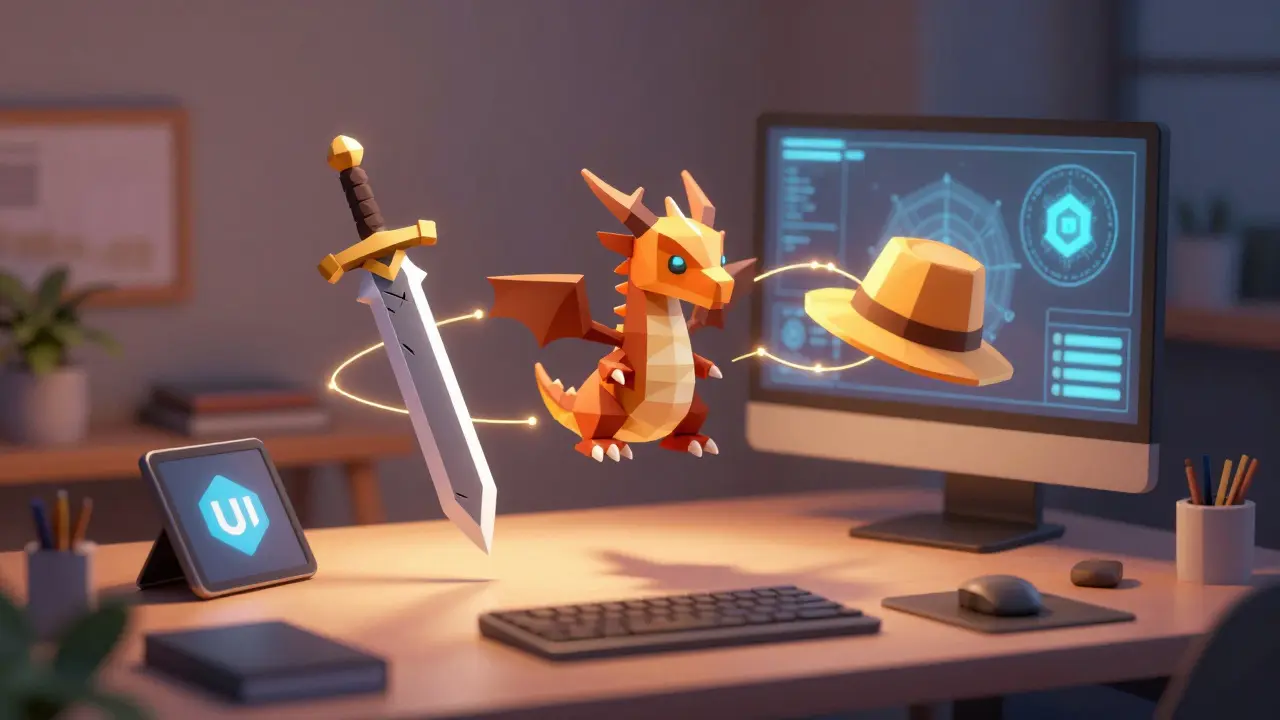
NFTs are transforming game development in 2025 by enabling true ownership, cross-game asset use, ongoing royalties, and player-driven economies. Developers now build games that earn long-term and grow with their communities.
- Read More