
Cryptocurrency Mining Restrictions: What’s Banned, Where, and Why It Matters
When you hear cryptocurrency mining restrictions, government rules that limit or outright ban the process of validating blockchain transactions using computational power. Also known as crypto mining bans, these policies are turning once-open markets into legal gray zones. It’s not just about electricity bills or hardware costs anymore—it’s about who gets to run the machines and where you can legally plug them in.
Some countries, like China, a major player in global Bitcoin mining until 2021, now treats all crypto mining as illegal under its digital yuan push, forcing miners to shut down or flee. Others, like Bangladesh, uses its 1947 Foreign Exchange Act to claim crypto mining is banned, even though the law never mentions digital currencies, creating a confusing underground scene. Then there’s Ecuador, where banks are forbidden from handling crypto transactions, making it nearly impossible for miners to cash out earnings without risking legal trouble. These aren’t abstract rules—they’re life-changing for people who rely on mining for income.
Why do governments do this? Often, it’s not about crypto itself—it’s about control. Central banks fear losing power over money. Energy grids get overloaded by mining rigs. Tax revenue slips through fingers when transactions stay off the books. But the real impact hits everyday people: miners lose equipment, investors see coin values drop, and communities lose jobs. Meanwhile, places like Japan and Switzerland keep mining alive with clear licensing and tax rules, proving regulation doesn’t have to mean prohibition.
What you’ll find below aren’t just news snippets—they’re deep dives into real cases where mining got blocked, where people fought back, and where the rules are still being written. From the collapse of cloud mining services in banned regions to how miners in restricted countries use P2P workarounds, these stories show what happens when governments draw lines in the digital sand. No fluff. No theory. Just what’s actually going on—and what it means for you if you’re mining, investing, or just trying to stay legal in 2025.
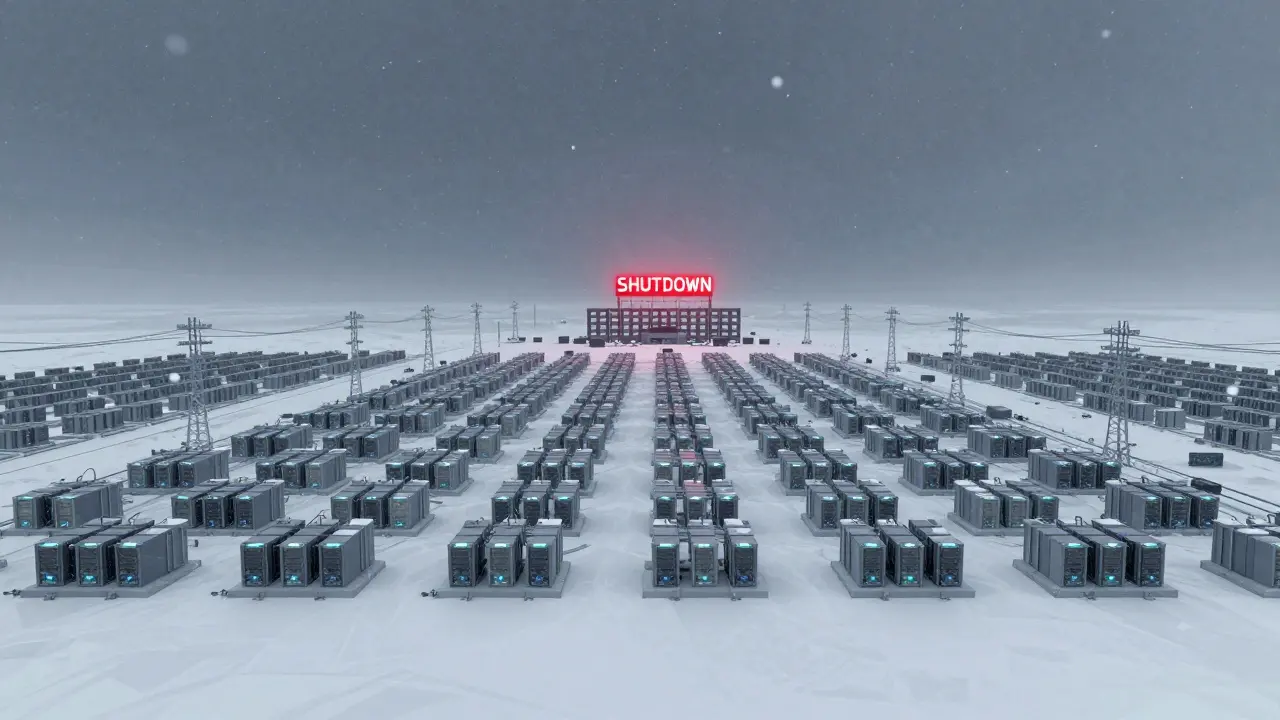
Russia legalized crypto mining in 2025 but imposed strict rules: regional bans, seasonal shutdowns, mandatory registration, 15% profit tax, and remote power cuts. Know where you can mine, when you’ll be shut off, and how to avoid heavy fines.
- Read More