
Worst Countries for Crypto Restrictions and Bans in 2026

Where Cryptocurrency Is Still Illegal - And Who’s Paying the Price
If you live in one of these countries, owning Bitcoin isn’t just risky - it’s against the law. While the world moves toward digital money, a handful of governments are doubling down on bans, fines, and prison terms to stop people from using crypto. It’s not about security. It’s about control. And the people caught in the middle? They’re the ones losing out on financial freedom, access to global markets, and even basic savings tools.
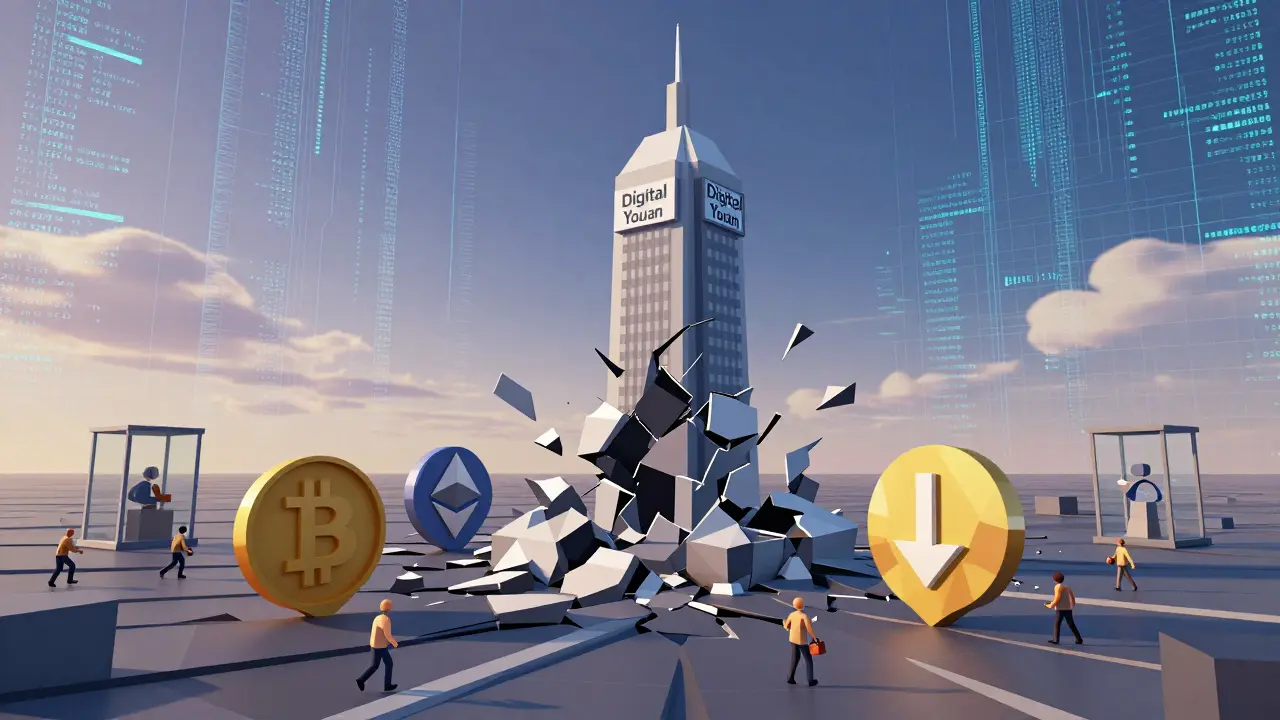
China led the charge in 2021 with a total shutdown of crypto trading, mining, and even wallet services. The government didn’t just block websites - it shut down data centers, fined companies, and arrested miners. Today, any crypto activity by a Chinese citizen or business is illegal. The state’s answer? The digital yuan. A centralized currency they can track, freeze, and control. Meanwhile, ordinary people use VPNs and overseas exchanges to trade in secret - but if they’re caught, they face serious penalties.
China: The Most Complete Crypto Ban in the World
China’s ban isn’t half-measured. It’s total. No trading. No mining. No exchanges. No crypto ATMs. Even offering crypto-related services - like consulting or software development - is now a criminal offense. The People’s Bank of China made it clear: digital assets threaten financial stability and could drain capital out of the country. So they cut it off at the root.
What does this mean in practice? A man in Shanghai who bought Ethereum in 2020 could lose everything if authorities trace his wallet. A mining farm in Sichuan was raided and stripped of its GPUs in 2023. The government didn’t just shut it down - they auctioned off the equipment. And there’s no legal recourse. No appeals. No gray area.
Even holding crypto isn’t technically illegal - but if you’re found with it, you’ll be questioned. If you transferred it, you’re suspect. If you mined it, you’re guilty. The system is built to make crypto invisible. And if you’re caught trying to make it visible? You’re on the wrong side of the law.
Bangladesh: No Crypto, No Exceptions
In Bangladesh, the central bank doesn’t just discourage crypto - it criminalizes it. Under the country’s Money Laundering Prevention Act, any transaction involving Bitcoin, Ethereum, or any other digital asset is illegal. That includes buying, selling, holding, or even receiving crypto as payment.
People still trade. There’s a thriving underground network of peer-to-peer sellers on Facebook groups and Telegram channels. But if you’re caught, you could face fines, asset seizure, or jail time. Banks have been ordered to freeze accounts linked to crypto activity. Some users report being interrogated for weeks after simply using a crypto wallet app.
What’s ironic? Bangladesh has one of the fastest-growing mobile payment markets in Asia. People use bKash and Nagad daily. But the government says: “You can send money digitally - just not with crypto.” The message is clear: control the system, or lose it.
Algeria: Holding Crypto Is a Crime
Algeria doesn’t just ban trading - it bans possession. In 2018, the government passed a decree making it illegal to hold, buy, sell, or even promote cryptocurrency. The law doesn’t distinguish between individuals and businesses. If you have a Bitcoin wallet, you’re breaking the law.
Unlike China, Algeria doesn’t have a state digital currency to replace crypto. Instead, it relies on strict capital controls and a heavily regulated banking system. The fear? That crypto could bypass the central bank and weaken the Algerian dinar. So they outlawed it entirely.
There’s no public data on how many people have been prosecuted, but local forums suggest underground trading is common. Many Algerians use relatives abroad to buy crypto on foreign exchanges and send it via gift cards or cash transfers. But the risk is real. One trader in Algiers was arrested in 2023 after his phone was searched during a routine police check. He had a single Bitcoin in a cold wallet. He spent six months in detention before being released without charge - but his phone and savings were seized.
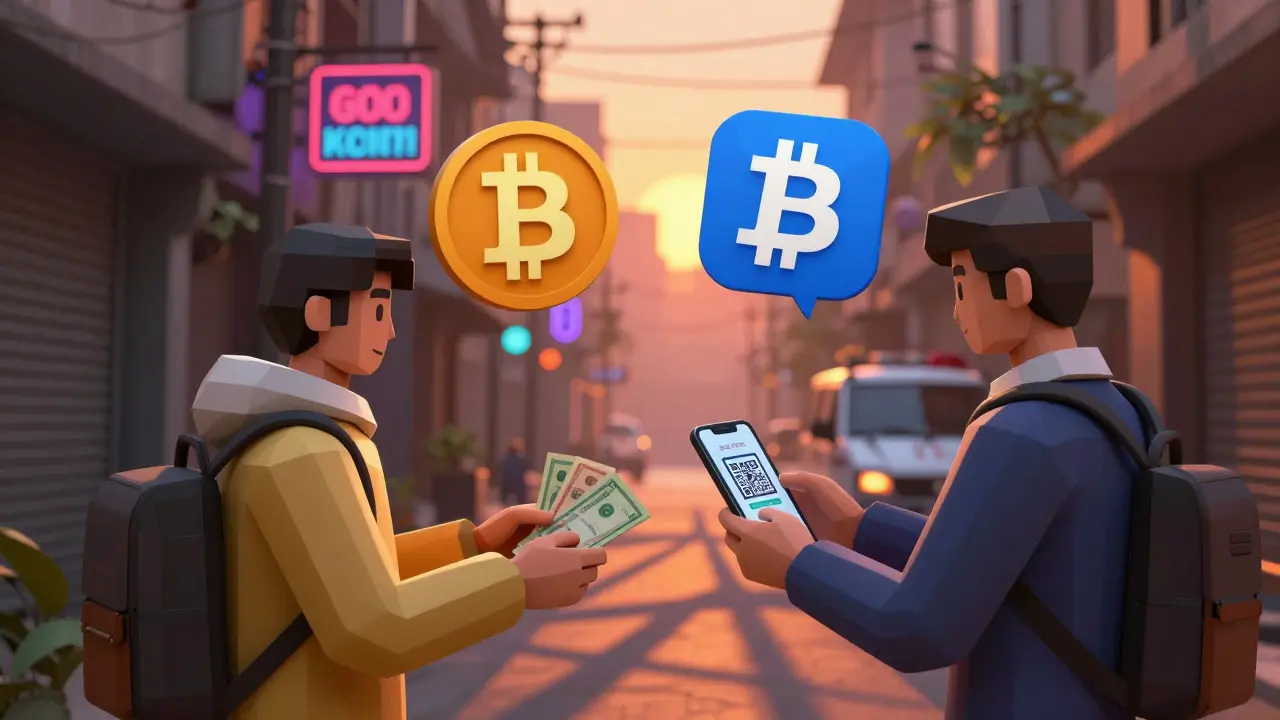
Bolivia: Crypto Is “Illegal and Dangerous”
Bolivia’s stance is blunt: “Cryptocurrencies are illegal and dangerous,” said the Central Bank in 2014. That hasn’t changed. The law prohibits any use of digital currencies as payment, store of value, or medium of exchange. Even accepting Bitcoin for goods or services can lead to legal action.
Unlike other countries, Bolivia doesn’t have a strong tech sector or large crypto user base. But the ban is still enforced. In 2022, a small business owner in Santa Cruz was fined after a customer paid for goods with Litecoin. The bank reported the transaction. The owner had to pay a penalty equal to three months of profits.
What’s worse? Bolivia has no legal way to convert crypto to local currency. No exchanges operate legally. No ATMs. No brokers. If you own crypto, you’re stuck with it - or you risk breaking the law trying to cash out.
India: The Tax Trap
India doesn’t ban crypto - it taxes it into oblivion. In 2022, the government slapped a 30% tax on all crypto profits. No deductions. No losses offset. Just 30% of whatever you make. On top of that, every single trade - even swapping Bitcoin for Ethereum - triggers a 1% tax deducted at source (TDS).
That means if you buy $1,000 worth of Bitcoin and sell it for $1,500, you owe $150 in taxes. But if you then trade that $1,500 for Solana, you pay another $15 in TDS - even though you didn’t cash out. If you’re a frequent trader, you’re paying hundreds in taxes just to move money around.
The Reserve Bank of India still doesn’t recognize crypto as legal tender. But the tax system is designed to make it unprofitable. Many traders now use offshore wallets or barter crypto for goods to avoid reporting. The government’s goal? Not to stop crypto - but to profit from it. And it’s working. India collected over $1.2 billion in crypto taxes in 2024 alone.
Afghanistan: Crypto Banned Under Taliban Rule
In August 2022, the Taliban government banned all cryptocurrency trading. The decree came without warning. No public debate. No transition period. Just a statement: “Crypto is forbidden under Islamic law.”
It’s not about religion - it’s about control. With the economy in freefall and foreign aid cut off, the Taliban needed to prevent capital flight. Crypto could let people move money out of the country. So they shut it down. Anyone caught trading faces arrest, fines, or worse.
Before the ban, Afghanistan had one of the highest crypto adoption rates in the region. People used Bitcoin to send remittances from Pakistan and the UAE. Now, those channels are gone. Families rely on cash couriers - slow, risky, and expensive. And for people who lost savings in the banking collapse? There’s no digital safety net anymore.
Nigeria: The Banking Blockade
Nigeria has one of the largest crypto markets in Africa. Over 30 million people own digital assets. But the Central Bank banned banks from handling crypto transactions in 2021. That didn’t stop trading - it just made it harder.
Now, Nigerians use P2P platforms like Paxful and LocalBitcoins. They meet in person to exchange cash for Bitcoin. Some use gift cards or mobile airtime as intermediaries. But it’s risky. If your bank account is flagged for crypto activity, it can be frozen without warning. Some users report being denied loans or even having their salaries delayed because their bank thinks they’re involved in crypto.
The government claims the ban is about preventing fraud. But critics say it’s about protecting traditional banks. Nigeria’s fintech sector is booming - but only if it’s controlled by the state. Crypto? Too unpredictable. Too decentralized. Too dangerous for the system.
Why These Bans Are Failing - And What It Means for You
Here’s the truth: these bans aren’t stopping crypto. They’re just pushing it underground.
In China, people still trade. In Bangladesh, peer-to-peer networks are growing. In Algeria, crypto is traded through WhatsApp groups. In Nigeria, P2P volume hit $12 billion in 2024 - up 40% from 2023. The more governments try to block it, the more creative people get.
But the cost is high. People risk jail. They lose savings. They can’t access global markets. They’re cut off from tools that could help them save, invest, or send money home.
And the irony? Countries like China and India are building their own digital currencies - controlled, trackable, and centralized. They want the benefits of digital money - without the freedom.
If you live in one of these countries, you’re not just fighting a law. You’re fighting a system that sees your financial autonomy as a threat.
What’s Next?
Some experts believe these bans will crumble under pressure. As global adoption grows, and as younger generations demand access to open finance, governments will have to choose: keep banning - or adapt.
But for now? If you’re in one of these countries, proceed with extreme caution. Know the law. Understand the risks. And remember - crypto isn’t just about money. It’s about who gets to control it.
greg greg
January 13, 2026 AT 09:44It’s wild how every country that bans crypto ends up creating a black market that’s way more dangerous than the thing they’re trying to kill. China thinks shutting down mining farms and arresting people will stop innovation, but they’re just forcing it into the shadows where there’s no oversight, no consumer protection, and zero accountability. Meanwhile, the digital yuan? A surveillance tool disguised as progress. People aren’t rejecting crypto because it’s risky-they’re rejecting it because the alternatives are worse. The real crisis isn’t decentralized money-it’s centralized control masquerading as stability. And let’s be real: when your government fears your ability to store value outside their system, that’s not financial policy-it’s fear of losing power. The fact that even in places like Algeria, where the state doesn’t even have a digital alternative, people still risk jail to hold Bitcoin? That’s not a tech trend. That’s a human rights issue.
Sherry Giles
January 14, 2026 AT 02:01USA and Canada are next. You think they’re cool with crypto now? Wait till the Fed starts printing like it’s 2020 again. These bans? They’re the first step. They’ll come for your wallets next, then your hardware, then your VPNs. The deep state doesn’t want you to have money they can’t track, tax, or steal. India’s 30% tax? That’s a trap. They don’t want you to make money-they want you to pay them for even trying. And don’t get me started on Nigeria-30 million people using crypto and the bank still thinks they’re smarter than the market? Wake up. This isn’t about fraud. It’s about control. And if you think the government won’t come for you next, you’re already dead in the water.
Andy Schichter
January 14, 2026 AT 21:30Wow. A whole article about how people are breaking laws to use money that doesn’t exist. Truly groundbreaking journalism. So China bans Bitcoin, and suddenly it’s ‘financial freedom’? Cool. I’ll take my 30% tax in India over jail time in Bangladesh any day. At least I can still buy coffee. And let’s not pretend these people aren’t just speculators hoping to get rich off a meme coin. Crypto isn’t freedom-it’s gambling with extra steps. And the fact that people risk prison for it just proves how bad the education system is. Maybe if they learned compound interest instead of TikTok dances, they wouldn’t be so desperate.
Caitlin Colwell
January 16, 2026 AT 00:23I just feel so sad for the families in Afghanistan who lost their remittance lifeline. No one talks about how this isn’t just about money-it’s about survival. A grandmother sending money to her grandson. A worker in Dubai sending home for medicine. Crypto wasn’t a luxury. It was a bridge. And now they’re back to cash couriers and waiting weeks. That’s not policy. That’s cruelty. I wish more people saw this as a human issue, not a tech one.
Denise Paiva
January 17, 2026 AT 06:35Let me be crystal clear-crypto is a scam engineered by tech bros who think blockchain is a religion and not a database. India’s 30% tax is the only sane response. You want to gamble on digital nonsense? Fine. Pay the tax. Pay the 1% TDS. Pay the emotional toll of watching your portfolio crash because you listened to a guy named ‘CryptoKing99’ on Reddit. Meanwhile, actual economies like Canada and the US are building real infrastructure. We don’t need decentralized chaos. We need accountability. And if you’re risking jail for Bitcoin? You’re not a freedom fighter-you’re a sucker.
Calen Adams
January 18, 2026 AT 20:36Let’s cut the fluff-this isn’t about bans, it’s about power. Governments don’t hate crypto because it’s risky-they hate it because it’s disruptive. The digital yuan? A central bank’s wet dream. No anonymity. No decentralization. Just a digital leash. And India’s tax regime? That’s not regulation-that’s extortion. They want your gains but not your freedom. Meanwhile, Nigeria’s P2P volume hit $12B? That’s not a glitch-it’s a revolution. The youth aren’t waiting for permission. They’re building the future with their phones. And if your bank freezes your account for using crypto? Good. That means you’re winning. The system is crumbling. Join the resistance. Or get left behind.
Sarbjit Nahl
January 19, 2026 AT 12:54The argument that crypto represents financial freedom is fundamentally flawed. Freedom implies responsibility. Most users in banned countries are not using crypto for remittances or savings-they are using it for speculation, gambling, and money laundering. The fact that underground markets are thriving proves the failure of financial literacy, not the success of decentralization. Governments are not irrational to restrict such volatile instruments. The real issue is not control but protection. People need education, not crypto wallets. The state has a duty to safeguard citizens from predatory financial instruments disguised as innovation.
Meenakshi Singh
January 21, 2026 AT 12:15China bans crypto but builds a digital yuan?? 😂 LMAO. So the same government that locks people up for Bitcoin is now giving everyone a digital ID that tracks every coffee you buy? 🤡 And India taxing every swap?? Bro that’s like taxing oxygen. 1% TDS on every trade?? I’m not paying $15 to move $1500 from BTC to ETH. That’s not tax-that’s theft. Also, Algeria arresting someone for ONE BITCOIN?? Who’s the real criminal here?? The guy holding crypto or the state that can’t even run a bank?? 🤦♀️ #CryptoIsTheFuture #GovernmentIsTheProblem
Kelley Ramsey
January 21, 2026 AT 19:57I just want to say-thank you for writing this. I’ve been following this for years, and it’s so rare to see the human cost laid out like this. I have a friend in Nigeria who got her account frozen for six months because she used a P2P app to send money to her sister. She had to sell her car to pay rent. No one talks about that. People think crypto is just ‘money,’ but it’s also hope. It’s dignity. It’s the ability to survive when the system fails. Please keep sharing stories like this. We need to hear them.
Michael Richardson
January 23, 2026 AT 12:59China’s ban? Smart. India’s tax? Genius. The rest? Weak. You think banning crypto stops it? No. It just makes the rich richer and the poor poorer. Only the rich can afford VPNs and offshore wallets. The rest get arrested. So yeah-bans are just class warfare dressed up as policy. And the fact that the US is quietly investing in CBDCs while pretending to be pro-freedom? Pathetic.
Sabbra Ziro
January 25, 2026 AT 06:18It’s so easy to say ‘they’re just banning freedom’-but what about the people who got scammed by rug pulls? Or the elderly who lost their life savings to fake crypto apps? Maybe the bans aren’t about control-they’re about protection. I know it’s messy. But not everyone has the tech savvy to know the difference between Bitcoin and a scam coin. Maybe we need guardrails, not just freedom. I’m not anti-crypto-I’m pro-safety. And I think we can do both.
Krista Hoefle
January 25, 2026 AT 16:35lol crypto is just digital gold for people who think blockchain is a vibe not a database. also the tds thing? that’s not a tax, that’s a joke. and algeria arresting someone for 1 bitcoin? bruh. they got the wrong guy. it’s not even worth the jail time. also china’s digital yuan? that’s not money, that’s a prison app.
Emily Hipps
January 25, 2026 AT 19:50Reading this made me cry. I work with refugees and I’ve seen how crypto helped people in Ukraine and Afghanistan when banks collapsed. It wasn’t about speculation-it was about sending money home when no other way existed. The bans aren’t protecting anyone. They’re silencing the most vulnerable. If we want real financial inclusion, we need to build bridges, not walls. Crypto isn’t perfect-but banning it? That’s not progress. That’s surrender.
Jessie X
January 27, 2026 AT 13:39