
What is The First Youtube Cat (PAJAMAS) Crypto Coin? Fact vs. Fiction

You’ve likely seen the hype on social media or stumbled upon a suspicious link promising massive returns from a token called PAJAMAS. It claims to be based on "The First Youtube Cat," referencing that iconic video of a kitten in pajamas playing guitar. But here is the hard truth: there is no legitimate cryptocurrency by this name. If you are looking for investment opportunities, stop right now. This article will explain why this project doesn’t exist, how scammers use nostalgia to trick investors, and what you should actually look for when evaluating meme coins.
The Myth Behind the Name
To understand why this scam works, we have to look at the source material. The video known as "Pajamas" features a kitten wearing pink pajamas strumming an acoustic guitar while Nick Drake’s "Pink Moon" plays in the background. It was uploaded by Steve Chen, one of the co-founders of YouTube, on May 22, 2005. For years, it held the title of the oldest video on the platform. It is a piece of internet history, yes. But it has absolutely nothing to do with blockchain technology.
Scammers often latch onto culturally significant moments because they carry emotional weight. People remember the video fondly. They associate it with the early, innocent days of the internet. By attaching the word "crypto" to this nostalgic image, fraudsters create a false sense of legitimacy. They hope you will click without checking the facts. There is no official partnership between YouTube, Google, or Steve Chen and any project named PAJAMAS. No announcement was ever made. No whitepaper was ever published by these entities.
Why You Can't Find It on Major Platforms
If a cryptocurrency is real, it leaves a digital footprint. You can find it on major tracking sites like CoinMarketCap or CoinGecko. These platforms list thousands of tokens, including obscure ones. As of mid-2026, neither site lists a token called "First Youtube Cat" or "PAJAMAS." This absence is not a glitch; it is a red flag. Legitimate projects pay listing fees and undergo verification processes to appear on these dashboards. Without them, you have no way to verify price, volume, or market cap.
Let’s look at the data. A quick search on Etherscan, the block explorer for the Ethereum network, reveals no smart contract associated with this name that has any significant activity. Same goes for BscScan on the Binance Smart Chain or Solscan for Solana. If a token exists only on a private server or a fake website, it is not a cryptocurrency. It is a number in someone else’s database that they can change at will. You cannot trade it, you cannot withdraw it, and you certainly cannot profit from it.
How Meme Coin Scams Operate
This isn’t just about one fake coin. It represents a broader pattern in the crypto space. Scammers create tokens that mimic popular themes-cats, dogs, famous videos-and distribute them through paid ads or bot comments on Twitter and Reddit. They promise "100x gains" or claim the project is "backed by influencers." Here is how the trap usually works:
- The Fake Website: You visit a site that looks professional. It has a logo, a roadmap, and a team section with stock photos. Everything feels real until you try to connect your wallet.
- The Pump: Bots buy small amounts of the token to show green candles on charts. Real users see this momentum and jump in, driving the price up artificially.
- The Rug Pull: Once enough money flows in, the creators sell all their holdings. The liquidity is removed. The token becomes worthless. The website disappears.
In the case of PAJAMAS, the "rug pull" happens before you even invest. Since there is no real token, you might be sending money to a personal wallet address disguised as a purchase. Or worse, you might download a malicious file pretending to be a wallet app, which steals your existing crypto assets. Always assume that if you haven’t heard of a coin from trusted sources, it is designed to take your money, not give you profits.
Real Meme Coins vs. Fake Ones
Not all meme coins are scams. Projects like Dogecoin (launched in 2013) and Shiba Inu (SHIB, launched in 2020) started as jokes but built massive communities and infrastructure. Dogecoin has over 2,300 contributors on GitHub and is accepted by major companies. Shiba Inu developed its own decentralized exchange, ShibaSwap. These projects have transparent teams, active development, and clear utility beyond just speculation.
| Feature | Legitimate Project (e.g., Dogecoin) | Fake Project (e.g., PAJAMAS) |
|---|---|---|
| Listing | Found on CoinMarketCap/CoinGecko | Absent from major trackers |
| Smart Contract | Verified on Etherscan/BscScan | No verifiable contract or fake code |
| Team | Anonymous but verified via Doxxing or long-term presence | Stock photos or stolen identities |
| Liquidity | Locked or high volume ($500k+) | Zero liquidity or easily removable |
| Community | Organic growth on Reddit/Twitter | Bot-driven engagement |
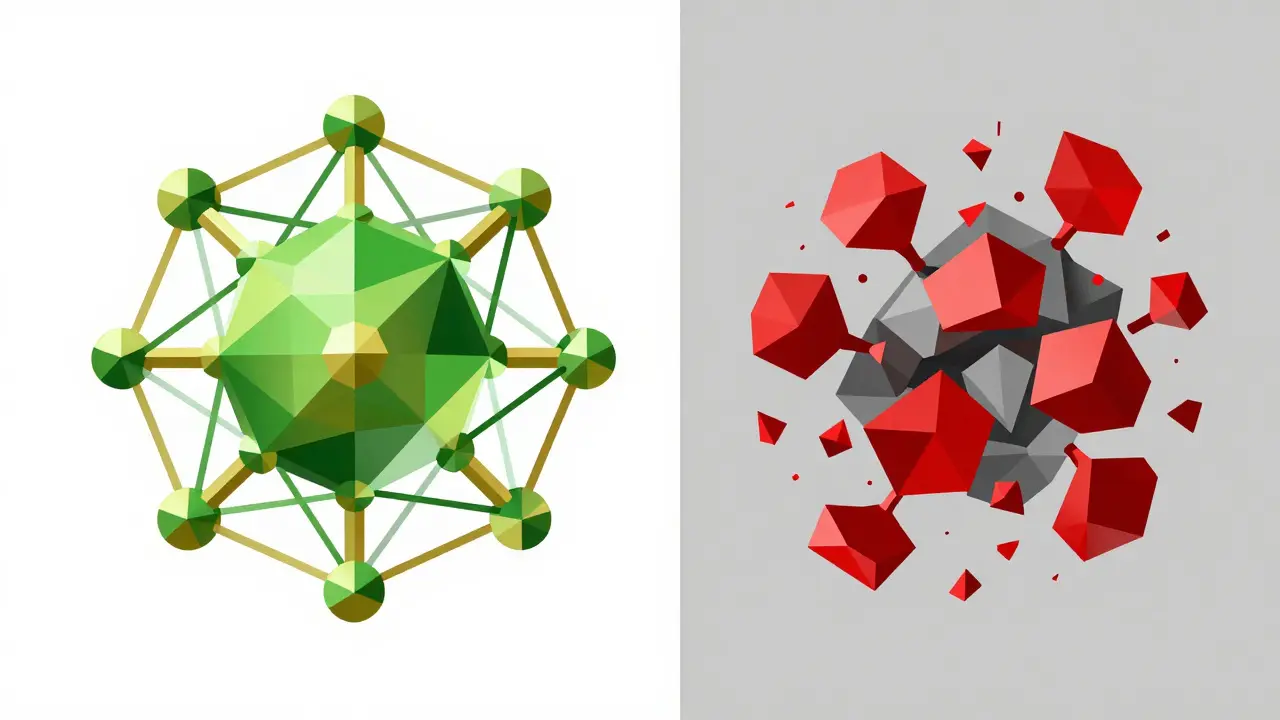
Notice the difference? Legitimacy comes from transparency and community trust, not just a catchy name. If a project claims to be the "first" of something but has no historical record, it is lying. The "First Youtube Cat" video is real. The crypto coin is not.
How to Protect Yourself From Crypto Scams
You don’t need to be a blockchain expert to stay safe. Follow these simple rules before investing in any new token:
- Check the Sources: Search for the coin on CoinMarketCap or CoinGecko first. If it’s not there, assume it’s risky.
- Verify the Contract: Ask for the smart contract address. Paste it into a block explorer like Etherscan. Look for holder counts and transaction history. If it shows zero transactions or only one holder, walk away.
- Read the Whitepaper: Legitimate projects publish detailed documents explaining their technology, tokenomics, and goals. If the "whitepaper" is just a meme or a single page of hype, it’s a scam.
- Beware of Urgency: Scammers use phrases like "limited time offer" or "price going up soon" to force quick decisions. Take your time. Research takes effort, but losing your savings takes less.
- Use a Separate Wallet: Never connect your main wallet holding significant funds to unknown websites. Use a burner wallet for testing new platforms.
Remember, if it sounds too good to be true, it is. No one gives away free money, especially not through a cat video from 2005.
Understanding the Cultural Context
Why does this specific scam persist? Because nostalgia is powerful. The "Pajamas" video represents a simpler time on the internet. Before algorithms, before influencers, before crypto bubbles. People want to believe that the magic of the early web can still generate wealth. Scammers exploit this longing. They package old memories with new financial promises.
But culture and finance are different worlds. Just because something is iconic doesn’t mean it has value in the blockchain ecosystem. Bitcoin succeeded because it solved a problem: decentralized currency. Ethereum succeeded because it enabled smart contracts. Meme coins succeed because they build communities. A fake token named after a cat video builds nothing. It only destroys trust.
If you love the "Pajamas" video, watch it on YouTube. Enjoy the music. Appreciate the history. But keep your crypto investments separate. Look for projects with real utility, real teams, and real transparency. Don’t let sentimentality cloud your judgment.
What To Do If You Already Invested
If you sent money to a wallet address claiming to be the PAJAMAS token, act quickly. First, check if the transaction went through on the blockchain. If it did, the money is likely gone. Cryptocurrency transactions are irreversible. Second, report the incident to local authorities and online fraud reporting centers. While recovery is rare, documenting the crime helps prevent others from falling victim. Third, secure your accounts. Change passwords, enable two-factor authentication, and scan your devices for malware. Scammers often steal more than just the initial investment; they may target your other digital assets.
Don’t feel ashamed. Even experienced investors fall for sophisticated scams. The key is to learn from the experience. Use this as a lesson in due diligence. Next time, you’ll know exactly where to look for the truth.
Is the PAJAMAS crypto coin real?
No, the PAJAMAS crypto coin is not real. There is no legitimate cryptocurrency project associated with the "First Youtube Cat" video. It does not appear on major tracking sites like CoinMarketCap or CoinGecko, and there is no verifiable smart contract on any blockchain.
Who created the original Pajamas video?
The video was uploaded by Steve Chen, a co-founder of YouTube, on May 22, 2005. It features a kitten in pajamas playing a guitar. It has no connection to any cryptocurrency project.
Can I buy PAJAMAS tokens on Binance or Coinbase?
No, you cannot buy PAJAMAS tokens on reputable exchanges like Binance or Coinbase. These platforms require strict verification and liquidity standards that this non-existent token does not meet.
How can I tell if a meme coin is a scam?
Check if the coin is listed on CoinMarketCap or CoinGecko. Verify the smart contract on a block explorer like Etherscan. Look for a transparent team and a detailed whitepaper. If these are missing, it is likely a scam.
Are there any legitimate cat-themed cryptocurrencies?
Yes, projects like Floki Inu and Shiba Inu (though dog-themed) are legitimate meme coins with large communities and active development. However, none are officially linked to the "First Youtube Cat" video.
What happened to the money I sent to the PAJAMAS wallet?
If you sent cryptocurrency to a wallet address associated with the fake PAJAMAS project, the funds are likely lost. Blockchain transactions are irreversible. Report the fraud to local authorities and secure your remaining accounts immediately.