
What is Nova AI (NOVA) Crypto? A 2026 Reality Check on the Token and Projects
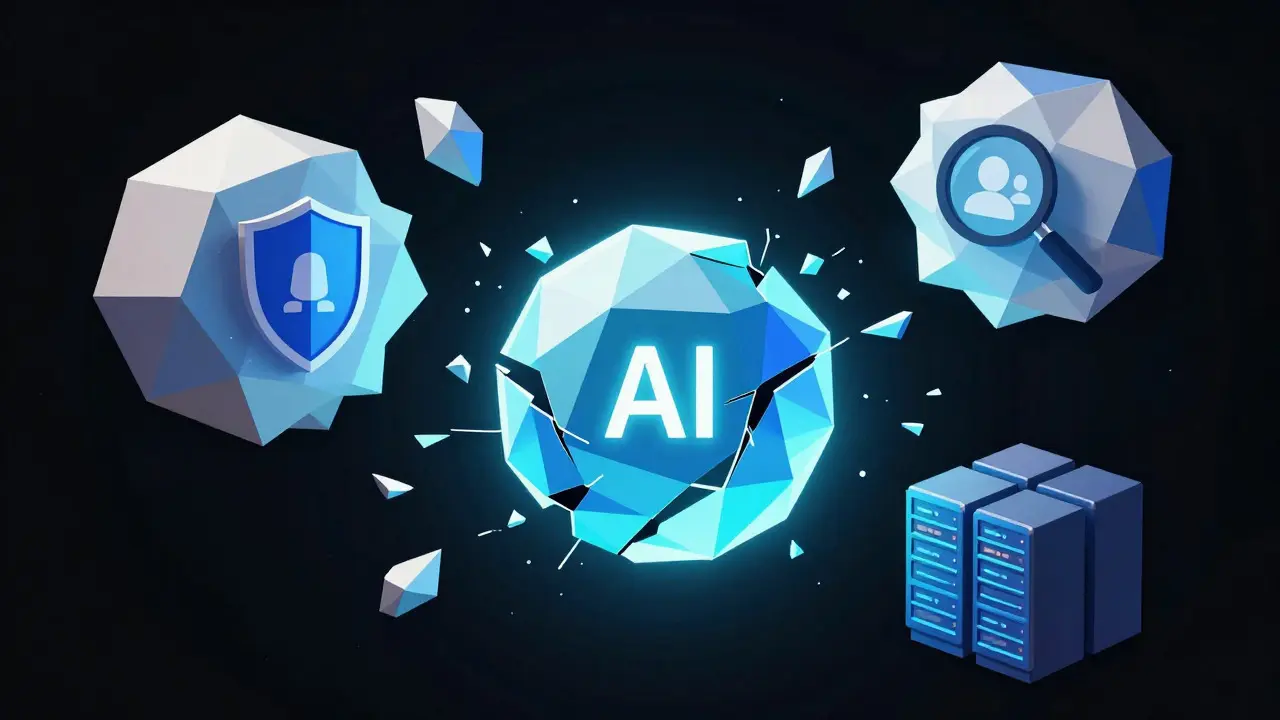
Is Nova AI (NOVA) a legitimate investment opportunity, or just another confusing name in the crypto space? If you’ve seen the ticker NOVA pop up on your feed or heard whispers about an "AI-powered" crypto project, you are likely facing a common problem: there isn’t just one Nova AI. In fact, as of mid-2026, the name covers at least three completely different technologies. This fragmentation creates serious risks for anyone looking to buy, use, or understand the asset.
The short answer is that NOVA is primarily associated with a Solana-based browser extension designed to stop phishing attacks. However, the token itself faces severe liquidity issues, meaning it might be nearly impossible to sell even if you manage to buy it. Before you risk any capital, you need to separate the marketing hype from the technical reality. Let’s break down what each version of Nova AI actually does, why the market data looks so strange, and what this means for your wallet.
The Core Identity Crisis: Three Projects, One Name
The biggest hurdle in understanding NOVA is that the brand is split. You aren’t dealing with a single cohesive company; you are looking at a cluster of distinct initiatives that share similar naming conventions. This confusion often leads users to assume features from one product apply to another, which can be costly.
- NOVA AI Detector: The most visible iteration. It is a cybersecurity tool for Web3 users.
- NOVA Internal AI: A B2B crime intelligence system used by investigators.
- Nova AI (DePIN): An infrastructure network for autonomous AI agents.
When people talk about the "NOVA coin," they are usually referring to the token linked to the first category-the security detector. But because these projects overlap in branding, it is easy to get mixed up. For example, Coinbase lists a "Nova AI" as a Decentralized Physical Infrastructure Network (DePIN), which sounds like high-tech future infrastructure. Meanwhile, other sources describe a Telegram bot for finding low-cap gems. None of these seem to be the same entity. This lack of clear distinction is a major red flag for due diligence.
NOVA AI Detector: The Security Extension
This is the consumer-facing side of the ecosystem. NOVA AI Detector functions as a background agent in your web browser. Its job is simple but critical: protect you from scams. If you interact with decentralized finance (DeFi) on Solana, you know the risks. Phishing sites, malicious smart contracts, and compromised wallets are everywhere.
Here is how the tool works in practice:
- Modular Scanning: It scans websites and smart contracts in real-time before you sign a transaction.
- Contextual Alerts: Instead of generic warnings, it uses AI trained on Web3 security protocols to explain why something looks suspicious.
- Community Reporting: Users can report threats and earn rewards, turning the user base into a crowd-sourced security team.
The philosophy here is accessibility. You don’t need to be a code expert to stay safe. The extension simplifies complex security concepts. However, having a useful tool does not automatically make its associated token valuable. Many great free tools have worthless or non-existent tokens. The value of NOVA depends entirely on whether the community adopts the extension widely enough to drive demand for the governance or utility token.
NOVA Internal AI: Fighting Crypto Crime
If the Detector protects individual users, NOVA Internal AI helps law enforcement and compliance teams catch criminals. Developed under the SafeHorizon EU Project, this system monitors social media platforms like X (formerly Twitter), Telegram, and Reddit for credible crime reports.
Why does this matter? Crypto crime moves fast. Thieves move funds across exchanges and through mixers in minutes. Traditional alerts often arrive too late. NOVA Internal AI aims to fix this by extracting wallet addresses and entities from social chatter in real time. It generates structured alerts for investigators, including source links and confidence levels.
This application is highly specialized. It is not a retail product. It serves banks, police forces, and blockchain forensics firms. While this adds credibility to the "Nova AI" brand by showing institutional interest, it also suggests that the primary revenue stream might come from enterprise contracts rather than retail token speculation. Keep this in mind when evaluating the token’s potential growth drivers.
The DePIN Angle: Autonomous Agents
Then there is the third iteration listed by major platforms like Coinbase. This version describes Nova AI as a DePIN-native network enabling autonomous AI agents via the Model Context Protocol (MCP). This sounds impressive, but details are scarce. DePIN projects typically involve physical hardware contributing to a network. Here, the focus seems to be on computational resources for AI agents.
The lack of technical specifications is concerning. There is no clear information on consensus mechanisms, node requirements, or how the network achieves decentralization. Without a whitepaper or detailed documentation, it is hard to verify if this is a functioning network or just a concept being marketed to attract investors. Always be skeptical of "AI + DePIN" narratives without concrete proof of work.
Tokenomics and Market Reality: The Liquidity Trap
Now, let’s look at the money. If you want to buy NOVA, you will face significant hurdles. As of early 2026, market data reveals a troubling picture.
| Metric | Status/Value | Risk Level |
|---|---|---|
| Price | ~$0.000022 USD (Highly Volatile/Unverified) | High |
| Liquidity | Minimal to Non-existent on major exchanges | Critical |
| Audit Status | No public audit found | High |
| KYC Verification | Team not KYC’d | High |
The price of $0.000022 seems incredibly cheap, which often tricks new investors into thinking they are getting a bargain. But price alone means nothing without volume. Holder.io notes that NOVA is "not traded anywhere" currently. MEXC shows missing exchange listing data. This suggests the token may have been delisted or never gained traction on reputable platforms.
Consider the Fully Diluted Valuation (FDV). If the max supply is high but the circulating supply is low, the FDV might look reasonable on paper, but the reality is that you cannot exit your position easily. High FDV combined with low market cap is a classic signal of overvaluation or illiquidity. Furthermore, the absence of a security audit and KYC verification for the team means there is no guarantee the developers won’t rug pull or abandon the project.

Red Flags Every Investor Should Watch
Before you connect your wallet, ask yourself these questions based on the available evidence:
- Where can I trade it? If it’s not on Binance, Coinbase, Kraken, or even solid DEXs on Solana with deep pools, you are stuck.
- Who is behind it? No KYC means anonymity. Anonymity is fine for privacy coins, but risky for utility tokens where trust in the team is essential.
- Is the tech proven? The browser extension exists, but does it have millions of daily active users? Community metrics are absent from public records.
The fragmentation of the brand is the biggest issue. When a project tries to be a security tool, a crime-fighting database, AND an AI infrastructure network all at once, it often ends up doing none of them well. Focus tends to scatter, and development slows down.
How to Verify Nova AI Yourself
Don’t take word for it. Here is how you can do your own due diligence today:
- Check Live Data: Go to CoinGecko or CoinMarketCap. Search for "NOVA." Look at the trading volume over the last 24 hours. If it’s near zero, walk away.
- Inspect the Contract: Find the contract address on Solscan. Check who holds the largest percentage of tokens. If one wallet holds more than 10-20%, the risk of a dump is high.
- Test the Tool: Download the NOVA AI Detector extension. Use it for a week. Does it actually catch scams? Is it annoying? Real utility drives long-term value, not press releases.
- Join the Community: Look for their Discord or Telegram. Are the chats filled with bots asking "When moon?" or are there developers answering technical questions? Silence is a bad sign.
In the world of crypto, clarity is king. Nova AI suffers from a lack of it. While the underlying technology in the security extension has merit, the token itself carries heavy risks due to poor liquidity and unclear corporate structure. Proceed with extreme caution, and never invest more than you can afford to lose completely.
Is NOVA AI a scam?
It is not necessarily a scam, but it has many red flags. The lack of KYC, missing audits, and extremely low liquidity make it high-risk. The browser extension appears to be a functional product, but the token's value is questionable due to poor market presence.
Which blockchain is NOVA built on?
The NOVA token is primarily associated with the Solana blockchain. This allows for fast transactions and low fees, which is beneficial for a security-focused utility token.
Can I buy NOVA on Coinbase?
Coinbase lists a "Nova AI" related to DePIN infrastructure, but trading availability varies. Most data suggests the specific NOVA security token is not actively traded on major centralized exchanges like Coinbase Pro or Binance as of 2026.
What is the difference between NOVA AI Detector and NOVA Internal AI?
NOVA AI Detector is a browser extension for individual users to prevent phishing. NOVA Internal AI is a B2B tool for law enforcement to track crypto crimes using social media data. They serve different audiences.
Does Nova AI have a whitepaper?
Publicly accessible, comprehensive whitepapers detailing the tokenomics and technical architecture are difficult to find. This lack of documentation is a significant concern for investors seeking transparency.