
What is CheckDot (CDT) Crypto Coin? A Real-World Guide to the DeFi Verification Token
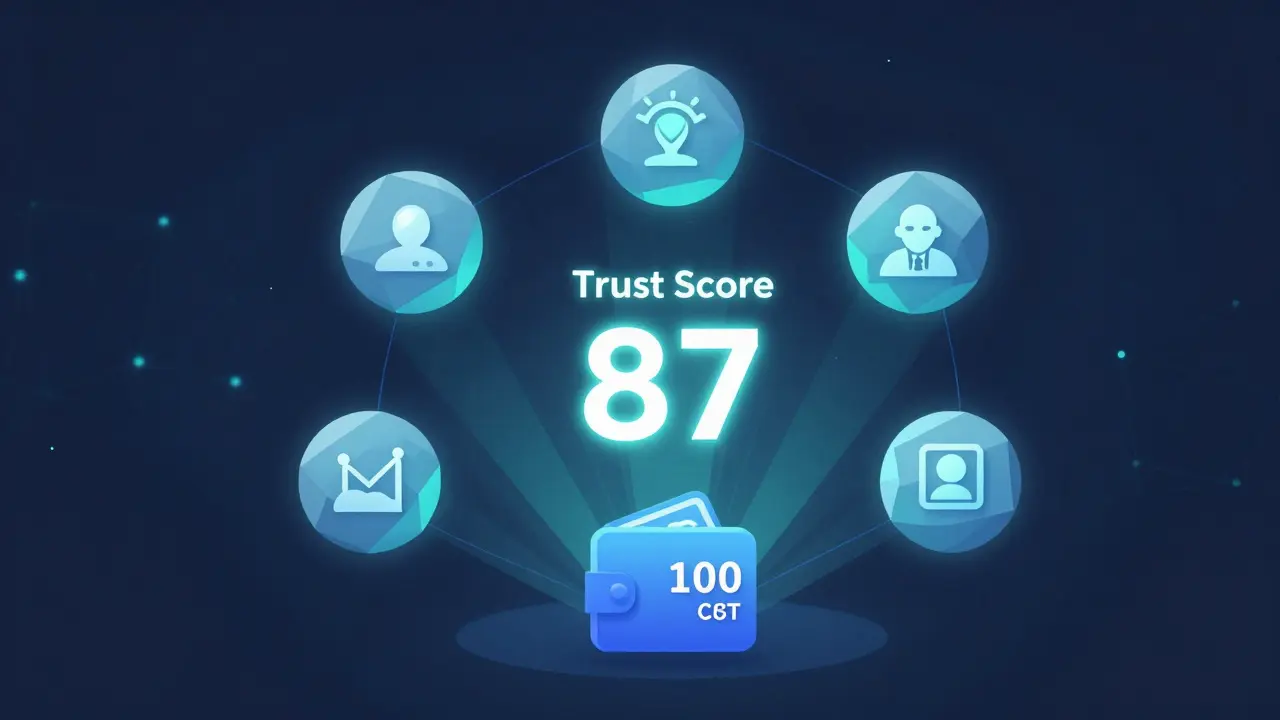
CheckDot (CDT) isn’t another meme coin or speculative token chasing hype. It’s a decentralized verification platform built to answer one simple question: Is this crypto project safe to use? Launched in 2021, CheckDot uses AI and community input to rate crypto projects, NFTs, and DeFi protocols with a single number - the Trust Score. If you’ve ever lost money because a project looked legit but turned out to be a scam, CheckDot was made for you.
How CheckDot Works: More Than Just a Token
At its core, CheckDot is a security layer for the wild west of DeFi. Most people check a project’s website, read a tweet, or look at its price chart. That’s not enough. CheckDot digs deeper. It combines automated AI analysis with human opinions from verified users to build a Trust Score out of 100.
This score isn’t based on price or social media followers. It’s built on five real-world factors:
- Technical - Are the smart contracts clean? Has it been audited?
- Maturity - How long has the project been live? Any history of exploits?
- Operational - Is the team active? Are updates regular?
- Market Stability - Is trading volume real? Or just washed?
- Community - Are people talking about it? Or is it just bots?
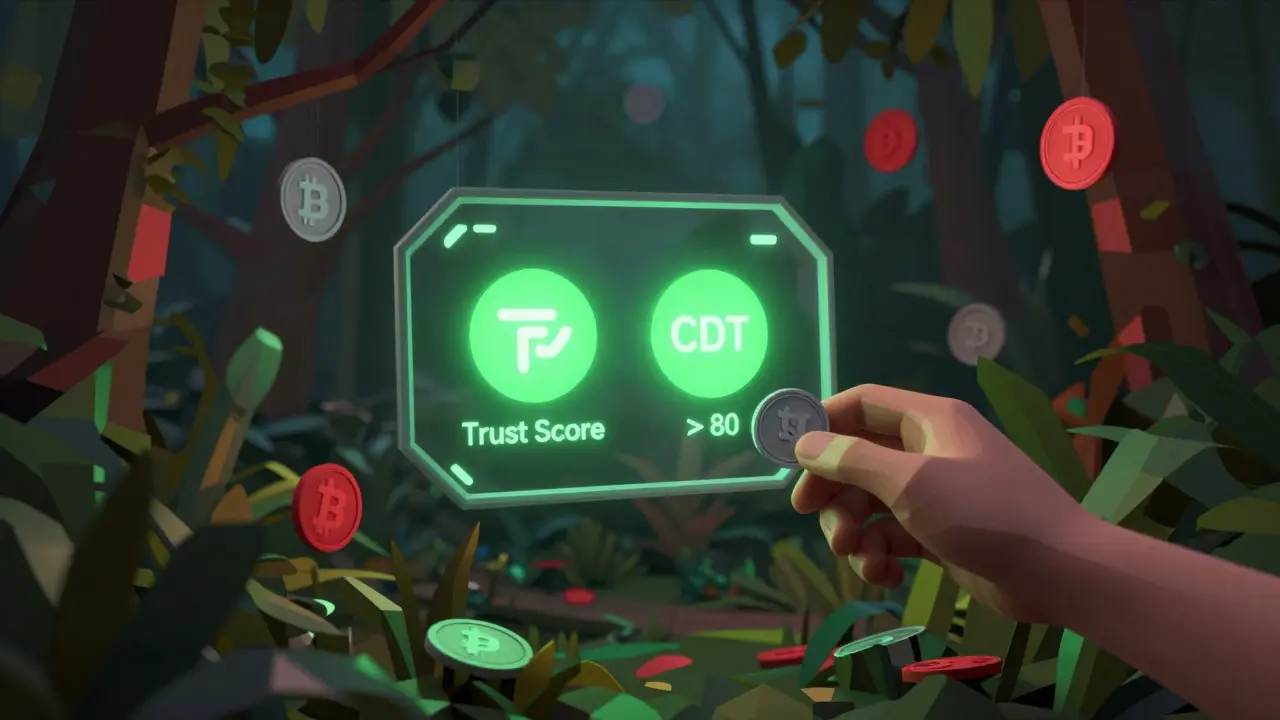
Think of it like a Yelp review for crypto - but with data behind every star. If a project scores below 60, it’s flagged. Above 80? It’s considered low-risk. That’s the kind of clarity most platforms don’t offer.
The CDT Token: Powering the System
CDT is the fuel that makes CheckDot run. You can’t use the platform without it. Here’s how it works:
- You need at least 100 CDT staked to request a project audit.
- Validators - users who review projects - earn CDT rewards for accurate assessments.
- Token holders vote on platform upgrades and fee changes.
As of January 2026, there are 7.39 million CDT in circulation out of a max supply of 21 million. The token runs on Binance Smart Chain as a BEP-20 token, which keeps transaction fees low. You’ll find it on exchanges like PancakeSwap, Uniswap, and MEXC.
Price-wise, CDT is volatile. In early January 2026, it traded around $0.04, with a market cap near $340,000. That’s tiny compared to giants like CertiK or Nexus Mutual. But its value isn’t in market cap - it’s in utility. Without CDT, you can’t use the platform. That’s what gives it intrinsic value.
How It Compares to Other Security Tools
There are plenty of crypto security tools out there. So why choose CheckDot?
Companies like CertiK and OpenZeppelin offer professional audits - but they cost $15,000 to $150,000. They’re designed for big projects with venture funding. Most retail investors can’t afford them.
CheckDot flips the script. It lets anyone with 100 CDT request a review. You’re not paying a firm - you’re tapping into a crowd of experienced users. One Reddit user, u/CryptoGuardian2025, saved $2,000 last month by spotting a fake community metric on a yield farm. Other platforms wouldn’t have caught that.
But CheckDot isn’t perfect. Its interface is clunky. Users report spending 45 minutes just to submit a request. Customer support takes up to 72 hours. And right now, it only supports BSC and Ethereum - with Polygon and Arbitrum added in January 2026. That’s better than before, but still limited.
Who Uses CheckDot? Real Users, Real Results
CheckDot’s users aren’t hedge funds. They’re everyday traders with $500 to $10,000 in their wallets. According to Messari’s 2026 report, 68% of users fall into this category. They’re tired of being scammed. They want transparency.
Positive reviews highlight two things:
- The Trust Score breakdown - seeing exactly why a project scored low helps you learn.
- The transparency - every vote, every comment, every data point is public.
Negative reviews? Mostly about the UI. One user on Trustpilot wrote: "I spent 45 minutes trying to find the audit button. CertiK’s site is cleaner, but they don’t let me vote." That’s the trade-off: CheckDot gives you power, but it asks you to learn how to use it.
What’s Next for CheckDot in 2026?
CheckDot isn’t standing still. In January 2026, it launched multi-chain support for Polygon and Arbitrum. That’s a big step. In February, it rolled out AI-powered real-time vulnerability detection - cutting audit times from 72 hours to under 4 hours.
The roadmap doesn’t stop there:
- Integration with 15 more blockchains by end of 2026
- Institutional risk tools for fund managers with $50M+ portfolios
- A decentralized oracle network to improve Trust Score accuracy
- Expanding into traditional business verification - think Shopify stores, SaaS platforms
If they pull this off, CheckDot could grow its market cap from $340K to over $1 million by December 2026. But that’s a big "if." Competition is fierce. Chainlink and CertiK are adding community features of their own. CheckDot’s biggest risk? Becoming a niche tool for hobbyists while the big players eat the enterprise market.
How to Get Started With CheckDot
Want to use it? Here’s how:
- Get a wallet: MetaMask, Trust Wallet, or Binance Chain Wallet.
- Buy CDT tokens on PancakeSwap or Uniswap (swap BNB or ETH for CDT).
- Connect your wallet to checkdot.io.
- Stake at least 100 CDT to unlock verification rights.
- Use the Risk Tracker to search for projects or request a new audit.
Pro tip: Always double-check you’re on the official site. Fake CheckDot pages are popping up. Look for the HTTPS lock and the real domain.
Don’t expect magic. This isn’t a trading signal. It’s a risk filter. Use it to avoid disasters, not to find the next 100x.
Is CheckDot Worth It?
Here’s the truth: If you’re trading small amounts and want to avoid getting ripped off, CheckDot is one of the few tools that actually helps. It doesn’t promise returns. It promises safety.
It’s not for everyone. If you want a sleek dashboard and instant answers, go with CertiK. If you want to be part of the solution - to help protect the next person from a scam - then CheckDot gives you the tools to do it.
CDT isn’t a get-rich-quick coin. But if you believe in decentralized security - if you think the future of crypto shouldn’t be controlled by a few audit firms - then holding and using CDT isn’t just smart. It’s necessary.
What is CheckDot (CDT) used for?
CheckDot (CDT) is used to verify the safety of cryptocurrency projects, DeFi protocols, and NFTs. Its platform generates a Trust Score using AI and community input to rate projects across five categories: technical, maturity, operational, market stability, and community. The CDT token powers the system - users stake it to request audits, vote on upgrades, and earn rewards for accurate reviews.
Is CheckDot a good investment?
CheckDot isn’t designed as a speculative investment. Its value comes from utility - you need CDT to use the verification platform. As of January 2026, it has a small market cap ($340K) and low trading volume ($548/day), making it highly volatile. It’s not a replacement for blue-chip crypto. But if you actively use DeFi and want to avoid scams, holding CDT gives you access to a unique security tool that most other tokens don’t offer.
Where can I buy CDT tokens?
CDT is available on decentralized exchanges like PancakeSwap (BSC), Uniswap V3 (Ethereum), and centralized exchanges including MEXC. Always verify the correct token address before trading. The CDT token is a BEP-20 token on Binance Smart Chain, so you’ll need BNB for gas fees if you’re trading on PancakeSwap.
How does the CheckDot Trust Score work?
The Trust Score is calculated by combining AI analysis with community votes. The AI checks for code vulnerabilities, team activity, and transaction patterns. Community validators rate projects on five criteria: technical quality, project maturity, operational transparency, market stability, and community health. Each factor is weighted differently, and the final score is published publicly. A score below 60 indicates high risk, while above 80 is considered low risk.
Can I use CheckDot without owning CDT?
You can view Trust Scores and public project reviews without owning CDT. But to request a new audit, vote on reviews, or become a validator, you must stake at least 100 CDT tokens. The system is designed to align incentives - those who have skin in the game help keep the platform trustworthy.
Is CheckDot safe to use?
The CheckDot platform has been audited by QuillAudit, which confirmed the CDT token contract is secure as of 2025. However, like all DeFi platforms, it carries risks - smart contract bugs, network congestion, and user error. Always use a hardware wallet for large holdings, never share your private key, and verify you’re on the official website (checkdot.io). The platform itself is functional, but your safety depends on how you use it.
josh gander
February 1, 2026 AT 17:52Okay, I’ve been using CheckDot for 8 months now and honestly? It’s saved my ass more times than I can count. That Trust Score breakdown? Pure gold. Last week I was about to dump $3k into some ‘high-yield’ DeFi farm that looked slick as hell - but CheckDot flagged it at 42. Turns out, the team hadn’t updated their GitHub in 6 months and the liquidity pool was 90% bots. I didn’t lose a cent. 🙌
Yeah, the UI is clunky, and yeah, it takes forever to submit a request - but when you’re dealing with your life savings, you don’t want a pretty dashboard. You want truth. And CheckDot delivers it raw, unfiltered, and with real data behind every number. I’d rather wrestle with a 45-minute interface than get rug-pulled by some Discord mod with a fake Telegram group. 💪
Also, staking 100 CDT isn’t a tax - it’s a filter. It keeps the trolls out. The validators? Most of them are real traders who’ve been burned before. They care. That’s worth more than any corporate audit.
Sunil Srivastva
February 3, 2026 AT 10:57Hey, I’m from India and I’ve been using CheckDot for my small DeFi trades - like $500–$1500 at a time. It’s honestly the only tool that makes me feel safe. The Trust Score isn’t perfect, but seeing why something scored low? That’s where the real learning happens. I didn’t know what ‘wash trading’ meant until I read a project’s breakdown on CheckDot. Now I spot it in 2 seconds. 🙏
Also, the fact that it’s on BSC means low gas fees. Perfect for small wallets like mine. I don’t need a $15k audit - I need to not get scammed. And this does it. Keep it up!
Brianne Hurley
February 5, 2026 AT 06:00Oh please. Another ‘community-driven’ scam pretending to be revolutionary. AI? Please. You think a bot can detect if a dev is lying about being ‘active’? Lmao. And let’s not pretend staking CDT makes you a ‘validator.’ You’re just a guy with 100 tokens and a grudge. Meanwhile, CertiK has real engineers auditing code - not some dude in Ohio who thinks ‘team member’ means ‘someone who posted on Twitter once.’
This isn’t security. It’s crypto theater with a side of delusion. 🤡
christal Rodriguez
February 7, 2026 AT 04:51Utility isn’t value. And value isn’t price. This is just a token with a function, not an asset. You don’t invest in tools. You invest in scarcity. This has neither.
Dahlia Nurcahya
February 8, 2026 AT 17:15I get why Brianne is salty - she’s used to being spoon-fed answers from big firms. But CheckDot isn’t for people who want hand-holding. It’s for people who want to *understand* why something’s risky. I used to just trust ‘audited’ labels. Now I dig into the breakdowns. I’ve learned more about smart contracts in 3 months on CheckDot than I did in a year of reading CoinDesk.
Yes, the interface is rough. Yes, support is slow. But the *community* is alive. People are actually helping each other. That’s rare. I’ve seen users correct each other’s misreads of market data - and it’s not just opinions. It’s backed by screenshots, timestamps, chain explorers. That’s real.
And if you’re saying ‘it’s not CertiK’ - well, CertiK doesn’t let you vote. CheckDot does. That’s democracy. Messy? Yes. Powerful? Absolutely.
Steven Dilla
February 10, 2026 AT 05:57STOP. JUST STOP. This isn’t a ‘niche tool.’ This is the ONLY thing standing between you and getting rug-pulled while you sleep. I lost $12k last year because I trusted a ‘verified’ project on Etherscan. I didn’t know what ‘unlocked liquidity’ meant. CheckDot taught me. Now I check every single project before I touch it. Even if it’s a $200 trade.
And yeah, the UI sucks - but guess what? So does your ex’s personality. You don’t quit because it’s inconvenient. You stick with it because it works. CDT is the gatekeeper. The only one that actually *cares* if you live or die in this market.
If you’re not using this, you’re not serious. You’re just gambling with your life savings. And if you think that’s cool? You’re the problem.
Jack Petty
February 11, 2026 AT 17:06AI + community = perfect storm for manipulation. Who’s auditing the auditors? Who’s to say the ‘validators’ aren’t just shills for the projects they rate? And why is this only on BSC and ETH? Coincidence? Or are they hiding something? Also - 7.39M CDT in circulation? Max supply 21M? That’s a pump waiting to happen. They’re building a cult. Not a tool.
Next thing you know, they’ll be selling ‘premium trust badges’ for 500 CDT. 😏
Mark Ganim
February 12, 2026 AT 06:43Here’s the truth no one wants to admit: Crypto was never meant to be safe. It was meant to be wild. Untamed. Unregulated. CheckDot? It’s the police knocking on the door of the rave. It’s the mom who turns off the music because someone might get hurt.
And maybe… maybe that’s beautiful. Maybe we need someone to say, ‘Hey, this isn’t just gambling - this is your life.’ Maybe we need to stop pretending we’re all risk-takers and admit we’re just scared. And scared people need guides.
So yes - the interface is ugly. The token is small. But the idea? The idea is sacred. It says: ‘You don’t have to be alone in this chaos.’
And that… that’s worth more than any 100x.
mary irons
February 13, 2026 AT 09:28They’re not going to expand to Polygon and Arbitrum because they’re ‘growing.’ They’re doing it because they’re getting bought out by a VC firm. Watch. In 6 months, CDT will be delisted from PancakeSwap and moved to some private exchange. Then they’ll ‘restructure’ the staking requirements. You think they care about you? You’re a data point. A user. A wallet address.
Trust Score? More like Trust Illusion.
Wayne mutunga
February 14, 2026 AT 06:44I’ve been quiet on this thread because I’m not big on opinions. But I’ll say this: I use CheckDot every day. Not because I’m trying to make money. Because I don’t want to lose it. I’ve been in crypto since 2017. Seen three bull runs. Two crashes. Lost friends to scams. I don’t need hype. I need reliability.
CheckDot gives me that. Even if it’s slow. Even if it’s ugly. Even if it’s not perfect.
That’s enough.
Gavin Francis
February 14, 2026 AT 18:19Love this. Simple, real, no fluff. Been using it since launch. Staked my CDT, voted on 3 projects, caught one fake team. No drama. Just facts. UI sucks? So does my WiFi. Doesn’t mean I don’t use it. CDT is the quiet hero of DeFi. 🙌
Rob Duber
February 15, 2026 AT 14:16OMG I JUST LOST $8K BECAUSE I DIDN’T USE CHECKDOT. I’M CRYING IN MY CRYPTO WALLET. I WAS SO EXCITED ABOUT THIS NEW ‘AI-PROMO’ TOKEN - IT HAD A LUXURY WATCH LOGO AND A TIKTOK INFLUENCER. CHECKDOT SAID 38. I IGNORED IT. NOW I’M EATING RAMEN. I’M SO STUPID. 😭
Gary Gately
February 16, 2026 AT 15:39checkdot is legit. i used it last week on a project called ‘moonfarm v3’ - score was 21. i didn’t invest. turned out the dev ran off with 400k. i saved my 500 bucks. no cap. cdt is the real deal. even if the site looks like it was made in 2015.
Joshua Clark
February 18, 2026 AT 05:51I want to say something that hasn’t been said yet: CheckDot isn’t just about avoiding scams - it’s about reclaiming agency in a space that’s been dominated by gatekeepers. For years, only big funds could afford audits. Now, a 19-year-old in Nebraska with $200 can request a review on a project that claims to be the ‘next Solana.’ That’s revolutionary.
Yes, the interface is clunky. Yes, the support is slow. But that’s because they’re not a startup trying to look cool - they’re a movement trying to survive. They’re not funded by VCs. They’re funded by people like you and me - who actually care about fairness, not returns.
And the fact that they’re adding multi-chain support? That’s not a feature. That’s a promise. A promise that no one gets left behind. Not because it’s profitable - but because it’s right.
So if you’re thinking of dismissing this as ‘just another token’ - ask yourself: What are you willing to lose before you start caring?
Brandon Vaidyanathan
February 18, 2026 AT 19:51LOL. ‘Community-driven security.’ What a joke. You think some guy in Ohio who staked 100 CDT knows what a reentrancy attack is? No. He thinks ‘audit’ means ‘someone clicked a button.’ And now you’re trusting your money to a voting system where the only requirement is owning a token? That’s not transparency - that’s mob rule.
CertiK has PhDs. CheckDot has Reddit users. Choose wisely.
Gareth Fitzjohn
February 20, 2026 AT 12:06Interesting. Simple concept. Not perfect. But practical. I’ve used it twice. Found two dodgy projects. Saved maybe $500. Worth the 100 CDT? Probably. Not a game-changer. But a useful tool. Like a seatbelt.
Katie Teresi
February 21, 2026 AT 16:32USA only? BSC only? This isn’t decentralized. It’s a US-based startup pretending to be global. They’re building a walled garden for American traders while the rest of the world gets left out. Classic. And now they’re ‘expanding’ to Polygon? Only because the Chinese devs are using it. They’ll never support TRON or Solana. This is colonialism with a crypto twist.
Moray Wallace
February 23, 2026 AT 09:20Staking CDT to vote is smart. It aligns incentives. Too many platforms reward engagement without accountability. Here, if you vote wrong, you lose. If you vote right, you earn. That’s how systems stay honest. Not by lawyers. Not by ads. By skin in the game.
UI is secondary. The model? Solid.