
Understanding Blockchain Game Asset Interoperability: A 2026 Guide
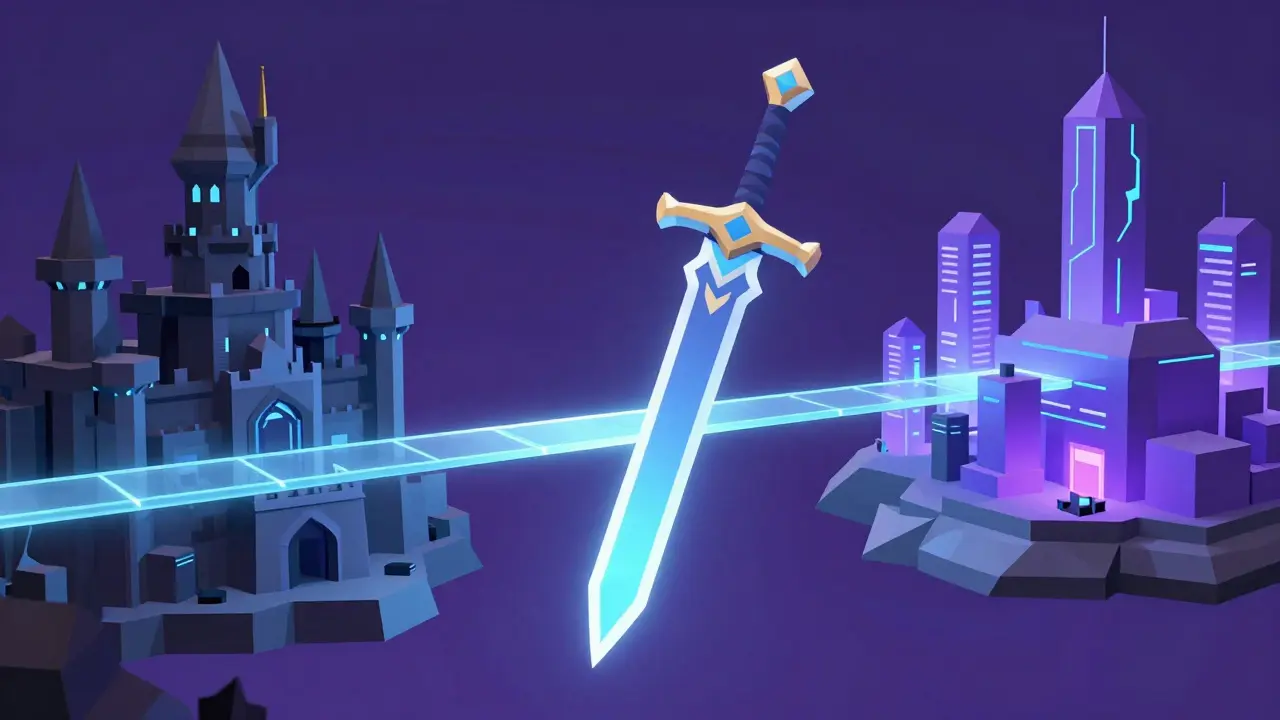
Imagine spending hundreds of hours grinding for a legendary sword in your favorite online game. You finally get it, and it looks amazing. Then, you decide to try a new title from the same developer. You log in, and that sword is gone. It doesn't exist in the new world. In traditional gaming, your digital items are trapped. They belong to the game company, not you. This changes everything when we talk about blockchain game asset interoperability.
This concept is reshaping how we think about digital property in 2026. It is no longer just a buzzword; it is a functional reality for many players. When assets can move between games, they gain real value. You are not just renting a skin or a weapon; you are holding a piece of digital property that works across different platforms. This shift from renting to owning is the core of the Web3 gaming revolution.
What Is Blockchain Game Asset Interoperability?
At its simplest, blockchain game asset interoperability means your in-game items can travel. You can take a character skin, a weapon, or even a virtual currency from one game and use it in another. This requires a shared language between different software environments. Without this, every game is a walled garden where your progress dies if you leave.
Blockchain Game Asset Interoperability is the ability of players to seamlessly transfer and utilize in-game digital assets across multiple different games and virtual platforms without restrictions. This definition matters because it highlights the removal of barriers. In the past, developers controlled the database. If you wanted to move an item, the developer had to allow it. Now, the technology itself allows the transfer.
This capability transforms digital ownership. Instead of a license to use an item within a specific app, you hold a token that represents that item. This token lives on a public ledger. Because the ledger is public, any game that reads that ledger can see you own the item. This transparency is the foundation of trust in this new system.
The Technology Stack Behind Interoperability
How does a sword move from Game A to Game B without a middleman? It relies on a specific set of technologies working together. You need a decentralized ledger to record ownership, a standard format for the asset, and automated rules to handle the transfer. These are not optional features; they are the pillars holding up the entire structure.
Blockchain Technology is a decentralized ledger that ensures transparency and security for all asset transactions. Think of it as a shared notebook that everyone can read but no one can erase. When you buy an item, the transaction is written into this notebook. Game A sees the entry. Game B sees the entry. Because they both see the same record, they both agree you own the item. This eliminates the need for a central server to manage the transfer.
Then there are Non-Fungible Tokens (NFTs). NFTs serve as the digital proof of ownership for interoperable in-game assets and act as the primary mechanism enabling cross-platform asset utilization. Each NFT is unique. It holds the data for your sword, including its stats, rarity, and history. Because the NFT is stored on the blockchain, it exists independently of the game client. You can delete the game, but the NFT remains in your wallet.
Finally, Smart Contracts are self-executing contracts that automatically enforce the terms of an agreement when certain predefined conditions are met. These are the rules that run the show. When you move an item, a smart contract checks if you own it, verifies the destination game accepts it, and then updates the ledger. This automation removes the risk of human error or fraud during the transfer process.
Why Interoperability Matters to Players
Why should you care if your items can move? It comes down to value and freedom. In the old Web2 model, if a game shuts down, your items vanish. They become worthless code. With interoperability, your items retain value even if one game stops working. You can move them to a different title that supports the same standard. This protects your investment of time and money.
It also changes how you play. You might earn a rare shield in a strategy game. Later, you join a role-playing game. If that game recognizes the shield, you can equip it there. This creates a sense of continuity. Your digital identity follows you. It feels less like playing separate games and more like exploring a connected universe. This continuity encourages players to stay engaged longer because their progress has longevity.
Furthermore, interoperability fosters a healthier economy. Players can trade items on secondary markets. If you don't need a specific item in Game A, you can sell it to someone who does. The money goes to you, not the developer. This gives players true control over their digital assets. It turns gaming from a hobby where you spend money into an activity where you can potentially earn value.
Real-World Implementation: Football Rivals
Theory is great, but does it work in practice? Yes, and we have concrete examples in 2026. Football Rivals is a standout case. This mini-app launched on Telegram and allows users to play fantasy football. What makes it special is its connection to other assets.
Football Rivals is interoperable with user-owned NFL Rivals player digital assets from Mythical Games. This means a player can take their digital card from the NFL Rivals game and use it in Football Rivals. They can participate in weekly challenges and earn MYTH rewards on the Mythos Chain. This is not a simulation; it is a live system where assets cross boundaries.
The architecture leverages Polkadot's scalability. This choice allows the system to handle many transactions without slowing down. It also uses Telegram's massive user base. This combination solves a major problem: onboarding. Most people do not want to download complex crypto wallets. By using Telegram, Football Rivals makes it easy for regular users to experience blockchain gaming without the technical headache.
Challenges and Limitations
Despite the progress, the road is not smooth. There are still significant hurdles to overcome for universal adoption. The biggest issue is standardization. Different blockchains use different rules. An NFT on one chain might not be readable by a game built on another chain. Developers need to build bridges to connect these systems, which adds complexity.
User experience remains a barrier. Managing private keys and wallets is still confusing for the average gamer. If a player loses their wallet, they lose their assets forever. There is no customer support to call. This risk scares off many mainstream users. Developers are working on solutions like custodial wallets, but these introduce new security risks.
Game mechanics also pose a challenge. A sword in a fantasy game might be too powerful in a realistic shooter. Developers need to balance their economies carefully. They cannot just import every item without adjusting its stats. This requires cooperation between studios. They must agree on how assets translate between different game worlds.
| Feature | Web2 Gaming | Web3 Gaming |
|---|---|---|
| Ownership | Developer controlled | Player controlled |
| Asset Portability | Limited to one game | Cross-platform possible |
| Value Retention | Lost if game closes | Retained on blockchain |
| Trading | Restricted or banned | Open market trading |
| Security | Centralized server risk | Decentralized ledger |
The Future of Connected Digital Worlds
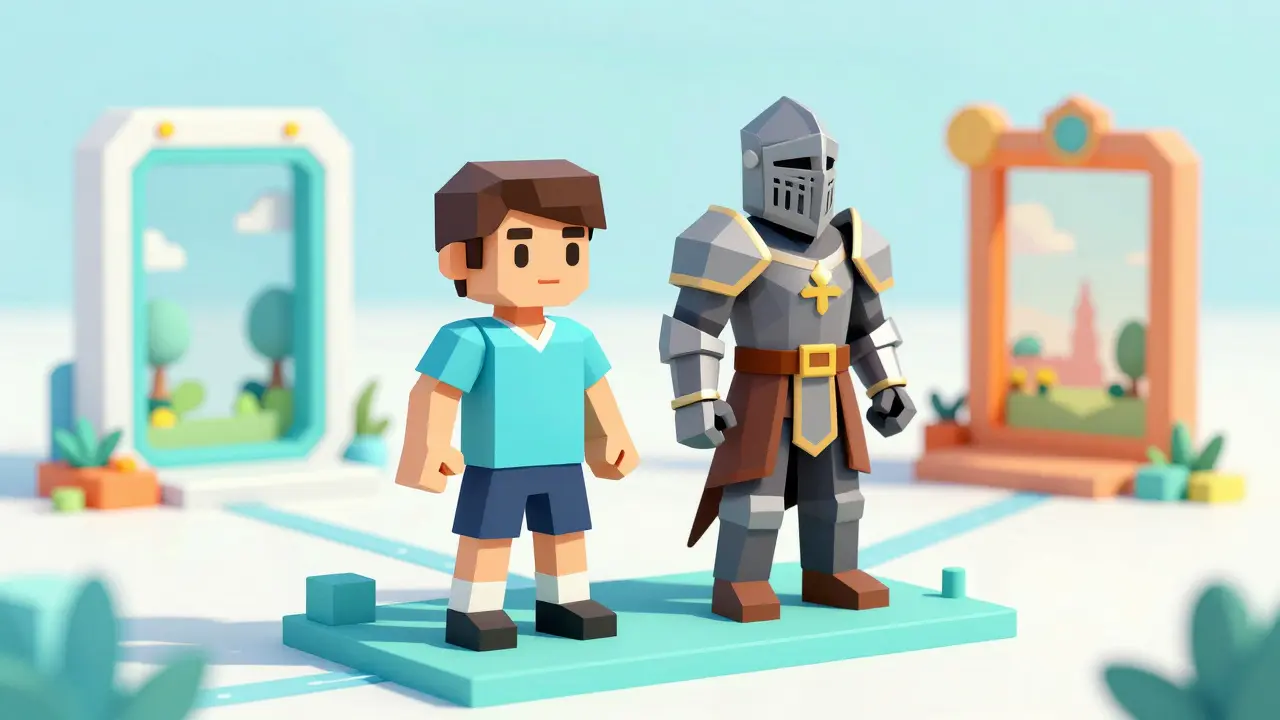
Looking ahead, the vision is clear. We are moving toward a metaverse where games are not isolated islands. They are part of a larger continent. As more studios adopt blockchain standards, the network effect will kick in. The more games that support interoperability, the more valuable the assets become.
Industry analysis suggests this will become a competitive advantage. Players will choose games that respect their ownership. They will want their items to work everywhere. Developers who lock assets into their own silos will lose users to those who offer freedom. This pressure will force the industry to standardize.
We will likely see more partnerships like the one between Koni Stack and Mythical Games. Collaborations are key to building the infrastructure. No single company can build the entire network alone. It takes a community of developers, blockchain protocols, and platforms to make it work. The technology is ready. The adoption is just catching up.
Frequently Asked Questions
What is the main benefit of blockchain game asset interoperability?
The main benefit is true ownership. Players can move their items between games, ensuring their digital assets retain value even if they stop playing a specific title. It prevents items from becoming worthless when a game shuts down.
Do I need a crypto wallet to use interoperable assets?
Usually, yes. To store and transfer NFTs, you need a digital wallet. However, some platforms like Telegram mini-apps are simplifying this process to make it easier for non-technical users to onboard without managing complex keys.
Can I sell my interoperable game assets?
Yes, interoperable assets are typically tradeable on secondary markets. Because they are NFTs, you can sell them to other players for cryptocurrency or fiat currency, keeping the value for yourself rather than the game developer.
What happens if I lose my private key?
If you lose your private key, you lose access to your assets permanently. Unlike traditional games, there is no password reset button for blockchain wallets. This is why secure key management is critical for Web3 gamers.
Are all games compatible with each other?
No, compatibility depends on the standards used. Games must agree on the same blockchain and NFT format to share assets. Currently, interoperability is limited to specific ecosystems or partnerships, like Football Rivals and Mythical Games.
Is blockchain gaming secure?
Blockchain technology itself is highly secure due to its decentralized nature. However, individual wallets and marketplaces can be hacked. Players must use reputable platforms and practice good security hygiene to protect their assets.
How does this affect game developers?
Developers gain access to a larger economy but lose some control over item distribution. They must balance their game mechanics to prevent inflation from external assets entering their world. It requires new skills in smart contract development.
What is the role of smart contracts in this?
Smart contracts automate the transfer and verification of assets. They ensure that the rules of ownership are followed without needing a middleman. This makes transactions faster, cheaper, and more transparent for everyone involved.
Will traditional games adopt this technology?
Many traditional studios are experimenting with it. As player demand for ownership grows, more Web2 companies will likely integrate blockchain features to protect their players' investments and increase engagement.
Is there a cost to transfer assets between games?
There may be small transaction fees, often called gas fees, to process the transfer on the blockchain. These fees vary depending on the network congestion and the specific blockchain used, but they are generally low compared to the value of the asset.
YANG YUE
March 27, 2026 AT 04:05The idea of owning your digital stuff feels like waking up from a long dream where everything was rented.
We spent years chasing items that vanished into the ether when servers shut down.
Now we hold the keys to our own virtual kingdoms.
Shana Brown
March 28, 2026 AT 09:26This is so exciting!! I can't wait to see my skins work everywhere. 🚀
It really changes the way I think about my time in games.
Marie Mapilar
March 29, 2026 AT 01:51The tech stack is crucial for the interopability of the NFTs and smart contracts involved.
It requires a lot of backend work to make sure the ledgers talk to each other properly.
We need to ensure the standards are robust enough for mass adoption.
Leona Fowler
March 29, 2026 AT 08:30Security remains a concern with private keys, but the benefits outweigh the risks.
Players need to be educated on how to manage their wallets safely.
It is a necessary step for true ownership.
Neil MacLeod
March 29, 2026 AT 16:33It sounds nice but I suspect the corporations will just find new ways to lock us in.
History shows that control is rarely given up willingly by big studios.
We should remain skeptical until we see widespread adoption without hidden fees.
Anand Makawana
March 30, 2026 AT 12:19The future is bright!!! The blockchain infrastructure is robust and scalable!!!
We are witnessing a paradigm shift in digital asset management!!!.
Every player should embrace this new era of gaming freedom!!!.
Mohammed Tahseen Shaikh
March 30, 2026 AT 22:02people need to wake up and realize this is the only way forward no more walled gardens
the old system was broken and we kept paying for it
now we can actually keep what we earn
Sarah Terry
April 1, 2026 AT 03:52Wallets are still a pain point for most gamers.
Shayne Cokerdem
April 2, 2026 AT 08:50us gamers deserve this freedom and not some other country controlling the code
we need to support homegrown tech that respects our rights
its about who owns the data in the end
kavya barikar
April 2, 2026 AT 18:11Standardization is the key to unlocking this potential for everyone.
Without common protocols, we will just have fragmented ecosystems.
Collaboration between developers is essential for success.
DarShawn Owens
April 2, 2026 AT 23:03It's great to see developers thinking about player value more.
Community feedback has pushed them to consider ownership models.
We should encourage studios that listen to their players.
Zion Banks
April 3, 2026 AT 15:23They are watching us through the ledger and tracking every move we make.
Public ledgers mean no privacy for our gaming habits.
This is a surveillance tool disguised as freedom.
Annette Gilbert
April 5, 2026 AT 12:36Another buzzword cycle that will end in tears for everyone involved.
I have seen this movie before with the metaverse hype.
Most projects will fail to deliver on these promises.
Andrew Midwood
April 7, 2026 AT 00:02bridges between chains are tricky but necessary for the metaverse to work properly
we need to fix the security issues on cross chain transfers first
it is doable if we focus on the tech
Ananya Sharma
April 8, 2026 AT 17:36interesting to see the football example working in practice
it proves the concept is viable for real users
i hope more sports games follow this model
Florence Pardo
April 10, 2026 AT 07:30When you think about it, the history of gaming has always been about control and now we are shifting to ownership.
It feels like a revolution in the making.
I remember playing games where I spent so much time on an item only to lose it.
That frustration is what drives this change.
The technology allows for a new kind of trust between players and developers.
We see examples like Football Rivals showing it is possible.
It is not just theory anymore.
The economy will change as players can trade freely.
Developers will need to adapt to this new reality or lose players.
The barriers are coming down slowly.
It takes time for everyone to understand the wallet systems.
Security is a big part of the conversation.
We need to be careful with our keys.
But the freedom is worth the effort.
The metaverse will be built on these foundations.
It is a connected universe of digital goods.
We are standing on the edge of something big.
Kevion Daley
April 11, 2026 AT 05:48Only the high quality assets will survive this transition. 💎
Low effort items will clutter the market and devalue everything.
Curated collections are the future of digital luxury.
Tammy Stevens
April 13, 2026 AT 01:30Collaboration between studios is the real key to making this work for all of us.
We need to bridge the gap between different gaming communities.
Together we can build a sustainable ecosystem for digital assets.