
Underground Crypto Adoption in Morocco Despite Ban

On November 21, 2017, Morocco made it clear: cryptocurrency was illegal. The central bank, Bank Al-Maghrib, and the Office of Changes shut down Bitcoin, Ethereum, and every other digital asset. Mining? Forbidden. Trading? Illegal. Even holding crypto in a wallet was technically a violation of foreign exchange rules. The government said it was about protecting the economy, stopping money laundering, and keeping control over the national currency. But here’s the twist-crypto didn’t disappear. It went underground. And it grew.
How Crypto Survived a Ban
You wouldn’t find crypto ATMs in Casablanca or Bitcoin billboards in Marrakech. But if you walked into a café in Rabat or a tech hub in Fes, you’d see young people hunched over phones, whispering in WhatsApp groups. They weren’t buying coffee. They were trading Bitcoin for Moroccan Dirhams. The ban didn’t stop demand-it just pushed it into shadows. People kept using crypto because it solved real problems. Remittances from Europe and North America were slow and expensive through traditional banks. A worker sending $300 home might pay $45 in fees. With crypto, they could send it in minutes for under $5. That’s why 44% of crypto transactions in Morocco are for international money transfers, according to a 2025 survey by Morocco World News. The tools? Simple. A VPN. A phone. A WhatsApp group. Most users rely on international exchanges like Binance, Bybit, or OKX. But they can’t access them directly. So they use NordVPN or ExpressVPN-76% of users do-paying around 120-180 MAD a month just to bypass the block. Then they hop into P2P networks. These aren’t fancy apps. They’re private Telegram channels with 50-200 members, or WhatsApp groups where traders post screenshots of their bank transfers and crypto wallet addresses. Trust is everything.Who’s Using Crypto-and Why
It’s not random. Crypto adoption in Morocco is sharply focused. Eighty-three percent of users live in cities with over 500,000 people. Two-thirds are under 35. Seventy-two percent earn more than 10,000 MAD a month. These aren’t desperate people. They’re educated, connected, and frustrated. They’re not using crypto to gamble. They’re using it to get paid. A freelance designer in Tangier might get hired by a client in Germany. The client pays in USDT. The designer converts it to MAD through a local trader. No bank delays. No frozen accounts. No paperwork. Just a quick transfer. Bitcoin is still the most traded asset-57.3% of volume. But stablecoins like USDT are rising fast. Why? Because they don’t swing wildly in price. If you’re trading crypto to pay rent or buy groceries, volatility is a risk you can’t afford. USDT gives you Bitcoin’s speed with the stability of the dollar.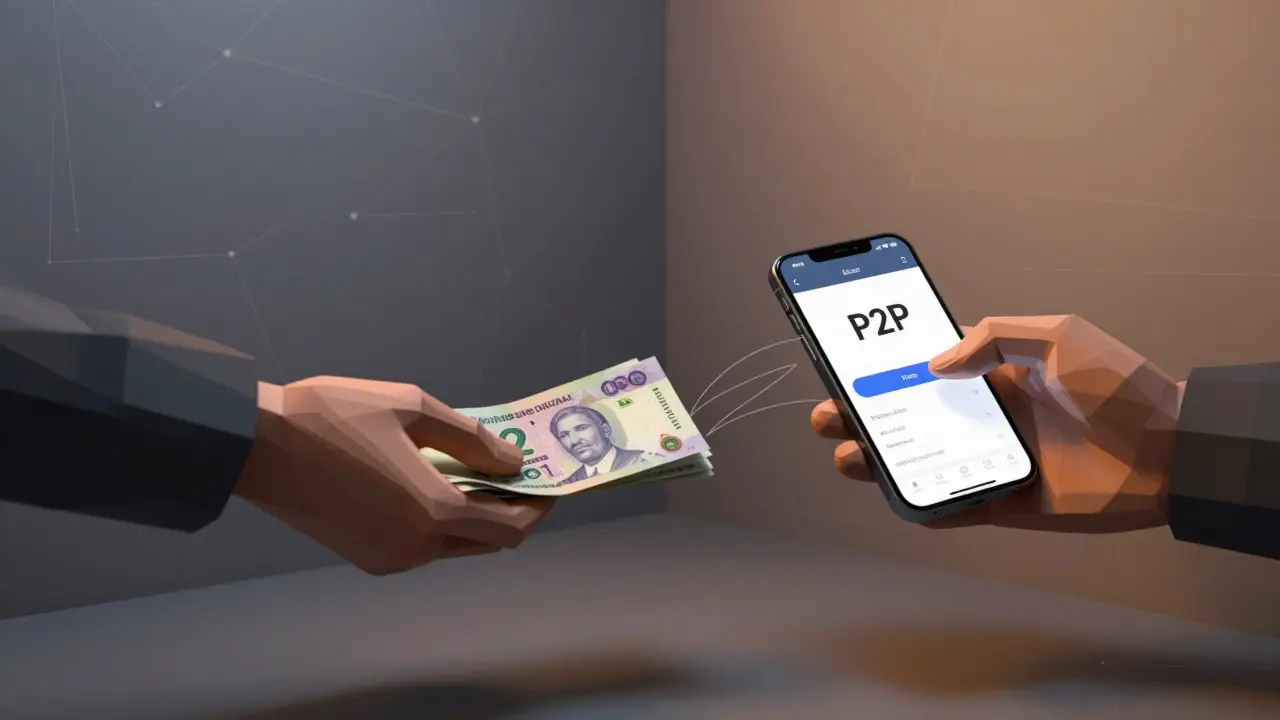
The Hidden Costs of Going Underground
This isn’t a free ride. Every transaction comes with hidden fees and risks. In a regulated market, a crypto trade costs 0.1%-0.5%. In Morocco’s underground system? You’re paying 3.8%-5.2%. Why? Because every trade needs a middleman. Someone has to physically hand over cash or receive a bank transfer. That person takes a cut. Often 1.5%-2.5%. And it takes time. While a Binance trade settles in seconds, a Moroccan OTC deal can take 72 hours. That’s because the buyer has to wait for the seller’s bank transfer to clear-sometimes across multiple banks, sometimes with delays. Fraud is common. One in three users has been scammed. The most frequent trick? You send MAD to a seller. They promise to send BTC. Then they vanish. One Reddit user, u/CryptoDarija, said they lost 3,500 MAD in a single scam after sending money to someone who disappeared. That’s nearly $350-more than a week’s pay for many. And the banks? They’re watching. Some users report their accounts being frozen when they deposit large sums from crypto trades. The central bank hasn’t prosecuted anyone yet-but the threat is real. You’re not breaking the law in broad daylight. But you’re still breaking it.The Shift: From Ban to Regulation
In November 2024, something changed. Bank Al-Maghrib’s governor, Abdellatif Jouahri, stood in front of African central bankers in Rabat and said: “We’re drafting a law to regulate crypto.” It wasn’t a surprise. The ban had failed. The underground market had grown 140% since 2017. The government realized: you can’t stop what people need. So they decided to control it. The new rules, expected to launch in Q3 2025, will allow exchanges, wallets, and custodial services-but only if they’re licensed. You’ll need to pass KYC. Report suspicious activity. Pay a 15% tax on profits. And pay up to 200,000 MAD to apply for a license. That’s not cheap. But it’s better than being hunted. The government still won’t let businesses accept crypto as payment. You can’t pay your electric bill in Bitcoin. But you can hold it. Trade it. Send it abroad. That’s a huge shift.
What’s Next for Morocco’s Crypto Scene
By 2026, Morocco’s underground crypto market is expected to hit $292.4 million. That’s not just a number. It’s 1.2 million people who found a way around a ban. Who built networks. Who took risks. Who turned a prohibition into a system. The government’s goal? To turn Morocco into North Africa’s fintech hub. Egypt already has a sandbox. Algeria and Tunisia still ban crypto. Morocco is the only one that tried to ban it-and then realized it couldn’t. So now, it’s trying to lead. For users, the future is clearer. Once regulation kicks in, fees will drop. Settlement times will shorten. Scams will decline. You won’t need a VPN to trade. You’ll just need a licensed app. But for now? It’s still the wild west. A network of trust, built on WhatsApp, Telegram, and cash. A quiet revolution, happening in the back rooms of cafes and late-night chats. Not because people want to rebel. But because they need to survive.How to Stay Safe in Morocco’s Underground Crypto Market
If you’re thinking about joining, here’s what you need to know:- Use a trusted VPN. NordVPN and ExpressVPN are the most common. Avoid free ones-they log your data.
- Start small. Trade under 500 MAD until you know how the system works.
- Only trade through verified groups. Look for users with 50+ successful trades. Ask for screenshots of past deals.
- Never send money before you get crypto. Always use escrow if the platform offers it.
- Keep records. Save every chat, every transaction ID. If something goes wrong, you’ll need proof.
- Don’t tell your bank. If they see large, unexplained deposits, they might freeze your account.
It’s risky. But for many, it’s the only way.
Is crypto still illegal in Morocco in 2026?
Technically, yes. The 2017 ban is still in effect on paper. But the government is preparing to legalize and regulate crypto under a new law expected to launch in late 2025. Until then, trading and holding crypto remains in a legal gray zone-enforcement is rare, but possible.
Can I use Binance in Morocco?
You can’t access Binance directly because it’s blocked by Moroccan internet providers. But over 82% of crypto users bypass the block using a VPN. Once connected, you can use Binance’s P2P platform to trade crypto for Moroccan Dirhams. Just make sure you’re using a reliable VPN and stick to verified traders.
Why do Moroccans use USDT instead of Bitcoin?
USDT (Tether) is pegged to the US dollar, so its value stays stable. Bitcoin can swing 10% in a day-too risky if you’re using crypto to pay rent or send money to family. USDT gives you the speed and cross-border ease of crypto without the price rollercoaster. It’s now the second-most-traded asset in Morocco after Bitcoin.
What percentage of Moroccans use crypto?
About 3.2% of the population-roughly 1.2 million people-have used crypto since 2018. Adoption is highest among urban youth and professionals earning over 10,000 MAD monthly. Most use it for remittances, not speculation.
Are crypto scams common in Morocco?
Yes. Around 32% of users report being scammed, mostly through non-delivery scams where sellers take payment and disappear. Fraud is more common in unverified WhatsApp or Telegram groups. Always use trusted traders with a history of successful transactions, and never send money before receiving crypto.
Ajay Singh
February 9, 2026 AT 00:02sabeer ibrahim
February 9, 2026 AT 19:41laura mundy
February 10, 2026 AT 09:48Alex Garnett
February 10, 2026 AT 17:45Danica Cheney
February 10, 2026 AT 19:00Taybah Jacobs
February 12, 2026 AT 05:59Oliver James Scarth
February 13, 2026 AT 21:22Jesse Pasichnyk
February 14, 2026 AT 12:14Jacque Istok
February 15, 2026 AT 03:58Mrs. Miller
February 16, 2026 AT 04:24Ryan Chandler
February 16, 2026 AT 16:41Mendy H
February 18, 2026 AT 03:16Kieren Hagan
February 18, 2026 AT 10:34Jim Laurie
February 19, 2026 AT 06:49