
Tokenomics in Fundamental Analysis: How to Value Crypto Projects
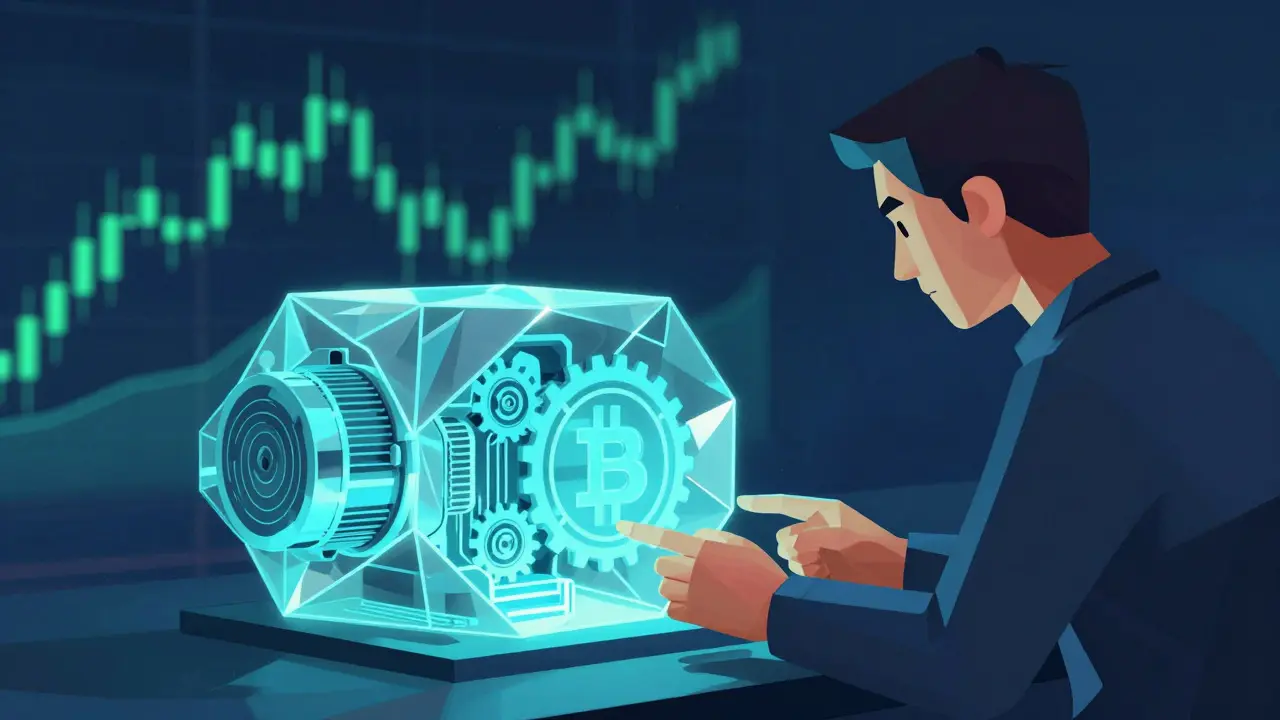
Most people look at a green candle on a chart and buy. They see the price go up, get FOMO, and jump in. But what happens when the music stops? If you only watch price action, you are gambling, not investing. To actually understand if a cryptocurrency is worth your money, you need to look under the hood. You need to understand tokenomics.
Tokenomics is the study of the economic forces behind a token. It’s not just about how much a coin costs today; it’s about why it has value, who holds it, and whether that value will hold up over time. Think of it like buying a house. You don’t just look at the paint color (the price); you check the foundation, the location, and the neighborhood rules (the economics). In this guide, we’ll break down how to use tokenomics as part of your fundamental analysis to separate serious projects from quick cash grabs.
What Is Tokenomics and Why Does It Matter?
The term "tokenomics" blends "token" and "economics." It emerged around 2017-2018 during the ICO boom, but it wasn't until recently that investors started treating it with the same seriousness as traditional financial metrics. At its core, tokenomics answers three questions: How is value created? How is it distributed? And how is it maintained?
In traditional finance, you might look at earnings reports or debt-to-equity ratios. In crypto, those numbers often don’t exist or are irrelevant. Instead, you look at supply mechanics, utility, and governance. A project can have amazing technology, but if its tokenomics are broken-like printing infinite tokens for early investors-it will likely fail regardless of how good the code is. As Balaji Srinivasan, former CTO of Coinbase, noted, tokenomics separates serious projects from Ponzi schemes. If the incentives encourage selling rather than holding, the project is doomed.
Supply Dynamics: The Foundation of Value
The most basic aspect of tokenomics is supply. You need to distinguish between three key metrics:
- Total Supply: The maximum number of tokens that will ever exist. Bitcoin has a hard cap of 21 million.
- Circulating Supply: The number of tokens currently available to trade. This changes as new tokens are minted or burned.
- Fully Diluted Valuation (FDV): The market cap if all tokens were in circulation. Calculated by multiplying the current price by the total supply.
Why does this distinction matter? Let’s look at two examples. Yearn.finance (YFI) has a tiny supply of only 30,000 tokens. Shiba Inu (SHIB) has nearly 600 trillion. YFI trades for thousands of dollars per token, while SHIB trades for fractions of a cent. However, their market caps tell a different story about investor sentiment. If a project has a low circulating supply but a massive total supply, the FDV will be high. This means millions of tokens are yet to enter the market, creating potential sell pressure later. Always check the ratio of FDV to Market Cap. If it’s above 10x, be cautious. It suggests significant future inflation.
Distribution and Vesting: Who Holds the Keys?
Who owns the tokens is just as important as how many there are. If the founders and private investors hold 50% of the supply, they can dump their holdings on retail investors at any moment. This is known as centralization risk.
Look for vesting schedules. These are contracts that lock up tokens for a certain period before they can be sold. A healthy project typically allocates 15-25% to the team, vested over 2-4 years. If a project allocates more than 25% to private investors without long-term vesting, the failure rate skyrockets. Data from Token Terminal shows that projects with poor vesting structures had a 73% higher failure rate between 2020 and 2022. Always check tools like TokenUnlocks to see when large amounts of tokens are set to unlock. A sudden unlock can crash the price even if the project is doing well.
| Allocation Type | Healthy Range | Risk Level | Red Flags |
|---|---|---|---|
| Team & Advisors | 15-25% | Low (if vested) | >30% or no vesting |
| Private Investors | 10-20% | Medium | >25% with short lock-up |
| Community/Public | 20-30% | Low | <10% allocation |
| Treasury/Ecosystem | 10-20% | Low | No clear usage plan |

Utility and Demand Drivers
A token needs a reason to exist beyond speculation. Utility is the demand side of the equation. Without demand, supply doesn’t matter because no one wants to buy. Common utilities include:
- Governance: Voting on protocol changes (e.g., Uniswap’s UNI).
- Fee Payment: Paying for network transactions (e.g., Ethereum’s ETH).
- Staking Rewards: Locking tokens to secure the network and earn yield (e.g., Solana’s SOL).
- Access: Gaining entry to exclusive services or data (e.g., Chainlink’s LINK).
Ethereum is a prime example of strong utility. Its gas fee mechanism requires users to burn ETH to execute transactions. During high network activity, demand for ETH spikes, driving up the price. Conversely, meme coins like Dogecoin often lack intrinsic utility. They rely entirely on social sentiment and marketing. While they can surge in price due to hype, they lack the fundamental anchor that keeps utility-based tokens stable during bear markets. According to Coinbase research, tokens with multiple utility functions maintained 68% higher market cap stability during the 2022 bear market.
Inflation vs. Deflation: The Scarcity Play
How does the supply change over time? Some tokens are inflationary, meaning new tokens are constantly created. Others are deflationary, meaning tokens are destroyed or removed from circulation.
Bitcoin is disinflationary. Its supply issuance halves every four years (the "halving"), reducing the rate of new supply entering the market. This predictable scarcity is a key driver of its value proposition. Ethereum, after its transition to Proof-of-Stake, implemented a burn mechanism (EIP-1559) that destroys a portion of transaction fees. When network activity is high, more ETH is burned than created, making it net deflationary. This dynamic creates a feedback loop: higher usage leads to lower supply, which can increase price.
On the other hand, some projects have unlimited supply or high inflation rates to reward stakers. Cosmos, for example, has a variable annual inflation rate between 7-20%. This is designed to incentivize validators to keep the network secure. High inflation isn’t always bad if the utility grows fast enough to absorb the new supply. But if inflation outpaces demand, the value of each token dilutes. Always compare the inflation rate against the growth in network usage.

Step-by-Step: Conducting Tokenomics Analysis
You don’t need a PhD to analyze tokenomics. Follow these five steps to evaluate any project:
- Read the Whitepaper: Look for the token allocation section. Identify who gets what percentage. Check for vesting schedules. If the whitepaper is vague about distribution, walk away.
- Check Supply Metrics: Use CoinGecko or CoinMarketCap to find the Circulating Supply and Total Supply. Calculate the FDV. If FDV is significantly higher than Market Cap, assess the risk of future unlocks.
- Analyze Utility: Ask yourself: Why do people need this token? Is it used for governance, fees, or access? Verify real-world usage via block explorers like Etherscan. Are daily active addresses growing?
- Review Unlock Schedules: Visit TokenUnlocks.com. See if there are any major token releases coming up in the next 3-6 months. Large unlocks often precede price drops.
- Assess Community Sentiment: Use tools like LunarCrush to gauge social volume. A project with balanced tokenomics should maintain stable social interest even during market corrections. Hype-driven spikes followed by silence are warning signs.
Common Pitfalls to Avoid
Even experienced analysts make mistakes. Here are the most common traps:
- Ignoring FDV: Buying a token because it’s "cheap" ($0.01) without realizing billions more will be printed. Focus on market cap, not unit price.
- Overlooking Team Allocation: Assuming small team allocations mean decentralization. Sometimes teams hide holdings in shell companies or foundations.
- Confusing Hype with Utility: Just because a project is trending on Twitter doesn’t mean it has sustainable demand. Look for on-chain data, not just social media posts.
- Neglecting Regulatory Risk: In 2023, the SEC increased enforcement against unregistered securities. Projects with heavy private sale allocations may face legal hurdles, impacting their viability.
The Future of Tokenomics
As the crypto market matures, tokenomics is becoming more sophisticated. We are seeing a shift toward "Real World Asset" (RWA) tokenization, where digital tokens represent physical assets like Treasury bonds or real estate. This introduces new yield mechanisms and regulatory considerations. Additionally, dynamic tokenomics models are emerging, where parameters like inflation rates adjust automatically based on network health. For example, Aavegotchi implements automatic supply adjustments to balance ecosystem activity.
Institutional adoption is also driving standardization. With frameworks like the EU’s MiCA regulation coming into effect, token designs must comply with stricter transparency and reserve requirements. This will likely weed out poorly designed projects and favor those with robust, transparent economic models.
What is the difference between market cap and fully diluted valuation (FDV)?
Market cap is calculated by multiplying the current price by the circulating supply (tokens currently in public hands). FDV multiplies the current price by the total supply (all tokens that will ever exist). A high FDV relative to market cap indicates that many tokens are yet to be released, which could create sell pressure and dilute value.
Why are vesting schedules important in tokenomics?
Vesting schedules lock up tokens for founders, teams, and investors for a set period. This prevents them from dumping all their tokens immediately after launch, which would crash the price. Long vesting periods (2-4 years) align the interests of insiders with long-term holders, signaling confidence in the project’s future.
Is deflationary tokenomics always better than inflationary?
Not necessarily. Deflationary models (like Ethereum post-merge) can encourage hoarding, which might reduce liquidity and network activity. Inflationary models (like Cosmos) can incentivize participation and staking, securing the network. The key is balance: inflation should be manageable and offset by growing utility and demand.
How do I find out when tokens will unlock?
You can use specialized platforms like TokenUnlocks.com or VestLab. These sites track smart contract data to show exactly when locked tokens will become tradable. Monitoring these dates helps you avoid buying right before a large supply influx, which often causes price drops.
What role does utility play in token value?
Utility creates demand. If a token is needed to pay for transactions, vote on governance, or access services, users must acquire and hold it. Tokens with multiple, real-world use cases tend to have more stable prices and better long-term prospects than those relying solely on speculation or hype.
Heather Austin
July 17, 2026 AT 19:40the fdv vs market cap ratio is honestly the biggest red flag people ignore. i see so many folks buying tokens because they are $0.01 without realizing there are trillions more coming out. its basically financial suicide if you dont check tokenunlocks first
Ella Collinson
July 19, 2026 AT 02:40You're conflating basic supply metrics with actual utility-driven demand models. The post oversimplifies the nuance of deflationary mechanics in PoS networks. Ethereum's burn mechanism is not a guarantee of value accrual, it's merely a tax on network congestion. True alpha lies in analyzing the velocity of money within the protocol layer, not just counting coins. Most retail investors lack the quantitative framework to assess these variables properly.
Ray Arney
July 20, 2026 AT 20:27I agree with the point about vesting schedules. It's scary how many projects dump on early adopters right after launch. Checking who holds the keys is essential before putting any real money in.
Ran Tao
July 21, 2026 AT 15:15Oh please 🙄 this is such a boring take. Everyone knows crypto is just gambling but pretending to be smart doesn't make you an investor. You're all just bagholders waiting for the next pump 💎🚀
Andrew Schneider
July 23, 2026 AT 13:38Ran Tao is such a buzzkill sometimes 😂 but seriously, the article misses the elephant in the room. Tokenomics is just window dressing for VCs to exit their positions. The whole system is designed to transfer wealth from the little guy to the insiders. Don't let them fool you with fancy charts and words like 'utility'. It's all smoke and mirrors 🎭💸
Eric Braddock
July 24, 2026 AT 03:34Exactly. They want you to believe in 'fundamental analysis' while they manipulate the order books. The SEC isn't regulating because they can't; they're complicit. Look at the timestamps of the unlocks. It's coordinated dumping. Wake up sheeple. The matrix is feeding you lies about decentralization while central banks print infinite fiat. Crypto is the only truth left but even that is being corrupted by institutional greed. I've been saying this for years. Nobody listens until it's too late. The elites are laughing at your 'DYOR' posts.
Nick G
July 25, 2026 AT 05:27I understand the skepticism regarding centralized allocations, and it is entirely valid to question the motives of private investors who may prioritize short-term gains over long-term ecosystem health. However, we must also acknowledge that structured vesting periods serve as a crucial alignment mechanism, ensuring that team incentives are tied to the sustained success of the project rather than immediate liquidity events. While the risk of manipulation exists, transparent disclosure through tools like TokenUnlocks allows the community to make informed decisions based on data rather than fear. Perhaps we can find a middle ground where we advocate for stricter regulatory frameworks without dismissing the entire concept of token-based economics as inherently flawed or malicious.
Johan Otto
July 26, 2026 AT 07:11Boring stuff. Just buy the dip and hold. Why read all this?
Anuj Kashyap
July 27, 2026 AT 01:41Johan, perhaps you should try reading once in a while? 🧐 It might expand your horizons beyond simple speculation. The philosophical underpinnings of value creation are quite fascinating when one actually pays attention.
Tracy Marshall
July 27, 2026 AT 22:31i feel like this whole industry is built on sand :-( the moral implications of encouraging speculative behavior among vulnerable populations are deeply troubling. we need strict ethical guidelines enforced by a higher power or society will collapse into chaos. trust no one especially those selling you dreams of financial freedom via digital ledgers
Guy Davis
July 28, 2026 AT 02:18its wrong to gamble with peoples life savings. these founders are criminals.
KEITH WONG
July 29, 2026 AT 04:00Most of you are missing the big picture. The real play is in RWA tokenization. Physical assets backed by blockchain tech. That's where the serious money is going. Ignore the meme coins and focus on tangible value. Smart money moves quietly 🤫💰
Alicia Hull
July 30, 2026 AT 22:57While I appreciate the detailed breakdown of supply dynamics, I must challenge the assumption that high inflation is always detrimental if utility grows. In early-stage ecosystems, aggressive inflation can be necessary to bootstrap network security and user adoption. The key metric should be the ratio of new supply issuance to active address growth. If you are not monitoring on-chain activity alongside token emissions, your analysis is incomplete. Furthermore, the regulatory landscape mentioned is evolving rapidly, and projects must adapt their economic models to comply with MiCA and other frameworks to survive.
Lisa Chong
July 31, 2026 AT 11:33The globalist agenda behind these tokens is obvious. They want to track every transaction you make. The 'utility' is just surveillance capitalism wrapped in tech jargon. I refuse to participate in this dystopian nightmare. The elites are using crypto to launder money and evade taxes while preaching about transparency. It is a lie. A massive conspiracy to destroy national sovereignty and privacy. Do not buy into their propaganda. Stay offline. Protect yourself. The system is rigged against the individual. We must resist this digital enslavement before it is too late. They are watching you right now through your devices. Trust nothing. Trust no one. Especially not these 'experts' writing guides on how to lose your freedom willingly.
Nick Wengel
August 2, 2026 AT 00:04Good points everyone. I think checking the FDV is really important. Thanks for sharing this info.