
Rug Pull Crypto: How to Spot and Avoid Scams in 2025
When you hear rug pull crypto, a type of scam where developers abandon a project and steal investors’ funds. Also known as crypto exit scam, it’s one of the most common ways people lose money in crypto—often without even realizing they were targeted until it’s too late. These aren’t theoretical risks. In 2023 alone, over $1.2 billion was stolen through rug pulls, according to blockchain analytics firms tracking wallet movements. And in 2025, they’re smarter, slicker, and harder to spot.
A rug pull doesn’t always look like a fake website or a shady Telegram group. Sometimes, it starts with a polished whitepaper, a team of anonymous devs with LinkedIn profiles, and a token that’s pumping on DEXs like Uniswap or PancakeSwap. The trick? The developers hold most of the supply, lock nothing, and remove liquidity the moment retail buyers jump in. Then—poof. The token crashes to zero, and the wallet that held the funds disappears. Projects like TAGZ Crypto Exchange and MDEX weren’t just slow—they were designed to collapse. The same pattern shows up in fake airdrops like DOGGY and VIKC, where no real project exists, but the hype does.
What makes rug pulls dangerous is how they mimic real projects. They use smart contract auditing, a process where third parties review code for vulnerabilities. Also known as blockchain security review, it’s meant to build trust—but scammers pay for fake audits from shady firms or even forge reports. You’ll see "Audited by CertiK" on a token’s site, but the audit might be outdated, incomplete, or for a different contract. Real audits are public, verifiable, and include the contract address. Fake ones? They’re just decoration.
Another red flag? Token distribution. If over 50% of tokens go to the team or early investors with no vesting schedule, you’re already in danger. Look at MARMOT or MATE—tokens with no community, no updates, and no liquidity. These aren’t investments. They’re traps. Even meme coins like MOCHI, backed by Coinbase’s cat, can turn risky if the team holds too much and doesn’t lock their tokens. The same goes for exchanges like Pearl v1.5 or CoinSwap.com: zero fees, zero users, zero transparency. That’s not innovation. That’s a waiting room for a rug pull.
There’s no magic tool to stop rug pulls. But you can protect yourself. Always check if liquidity is locked on platforms like Team Finance or DxLock. Look at the token’s holder distribution—is it spread out, or concentrated in 3 wallets? Is the team doxxed, or just a Twitter handle? If the project has no real use case beyond speculation, it’s not a coin—it’s a gamble. And in crypto, the biggest risk isn’t volatility. It’s trusting the wrong people.
Below, you’ll find real case studies of failed projects, broken promises, and hidden traps. Each one shows how a rug pull works—not in theory, but in practice. You’ll learn what to check before you invest, what to ignore, and how to spot the quiet signals most people miss until it’s too late.
- Nov, 25 2025
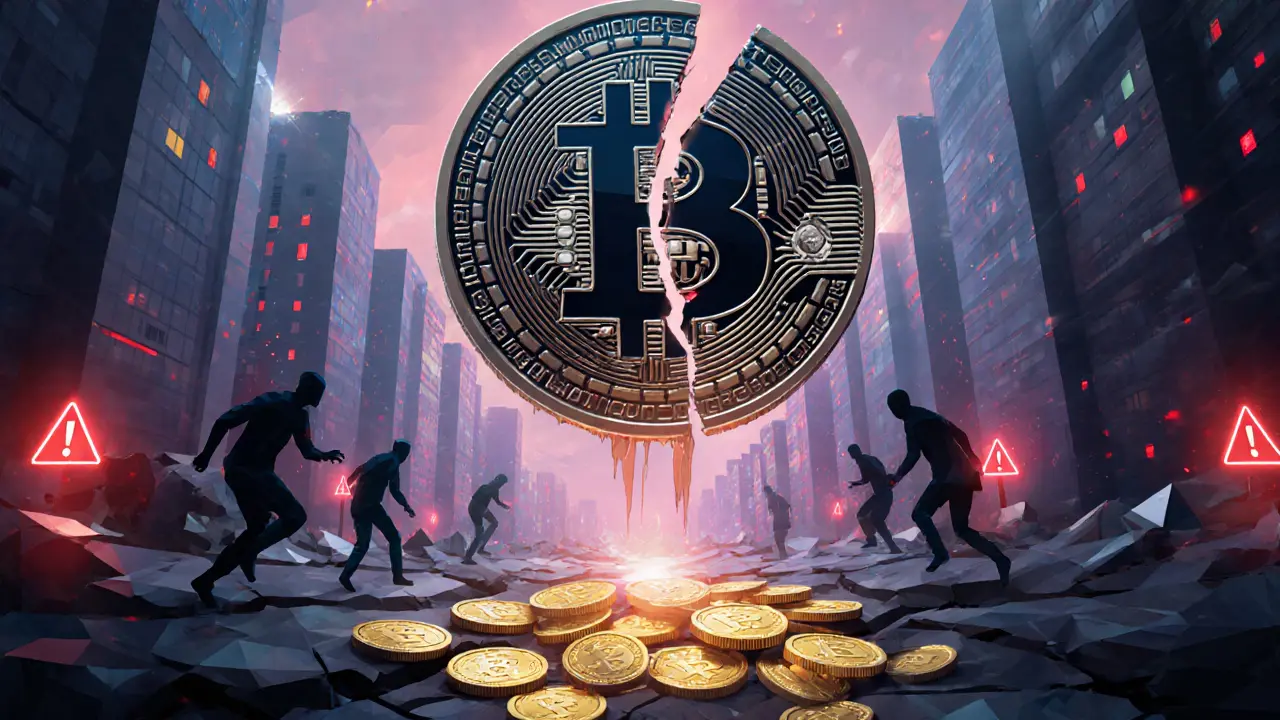
A rug pull in cryptocurrency is a scam where developers abandon a project after stealing investor funds. Learn how they work, the red flags to watch for, and how to protect yourself from losing money in DeFi.
- Read More