
Blockchain Token Sales: What They Are, How They Work, and What to Watch For
When a new blockchain project launches, it often raises money through a blockchain token sale, a process where digital tokens are sold to early supporters in exchange for cryptocurrency like ETH or BTC. Also known as an ICO or IDO, this is how projects like Spores Network or Mochi got their start—before many turned out to be empty shells. Unlike traditional fundraising, there’s no boardroom, no pitch deck to banks, just a whitepaper, a wallet address, and a community hoping for returns.
Not all token sales are the same. Some, like the IDO, an Initial DEX Offering that happens directly on a decentralized exchange like Honeyswap or CoinSwap.com, let anyone with a wallet jump in immediately. Others, like the ICO, a centralized token sale often run by a team before the blockchain is live, are more like private rounds with strict rules. The key difference? One is open to the public from day one, the other often favors insiders. And here’s the truth: over 90% of these projects vanish within a year. VikingsChain and PlatinumBAR didn’t just fade—they went to zero. No team, no code, no users. Just a ghost token on a chart.
What separates the survivors? Real utility. Projects like Spores Network offer NFT launchpads and governance. Mochi rides on Coinbase’s user base. Even if they’re meme coins, they have a living ecosystem behind them. Meanwhile, tokens with no roadmap, no audits, and no community—like MATE or Marmot—are just gambling chips with a blockchain label. Smart buyers check for audits from firms like CertiK or OpenZeppelin, watch liquidity pools, and avoid anything that promises 100x returns without explaining how.
If you’re looking at a token sale today, ask: Is this just a hype cycle, or does it solve something real? Are the developers visible? Is the code public? Is there actual trading volume, or is it all bots? The answers aren’t always easy to find, but they’re the only things that matter. Below, you’ll find real breakdowns of failed sales, risky exchanges, and the few that still have legs—no fluff, no marketing, just what happened and why.
- Nov, 19 2025
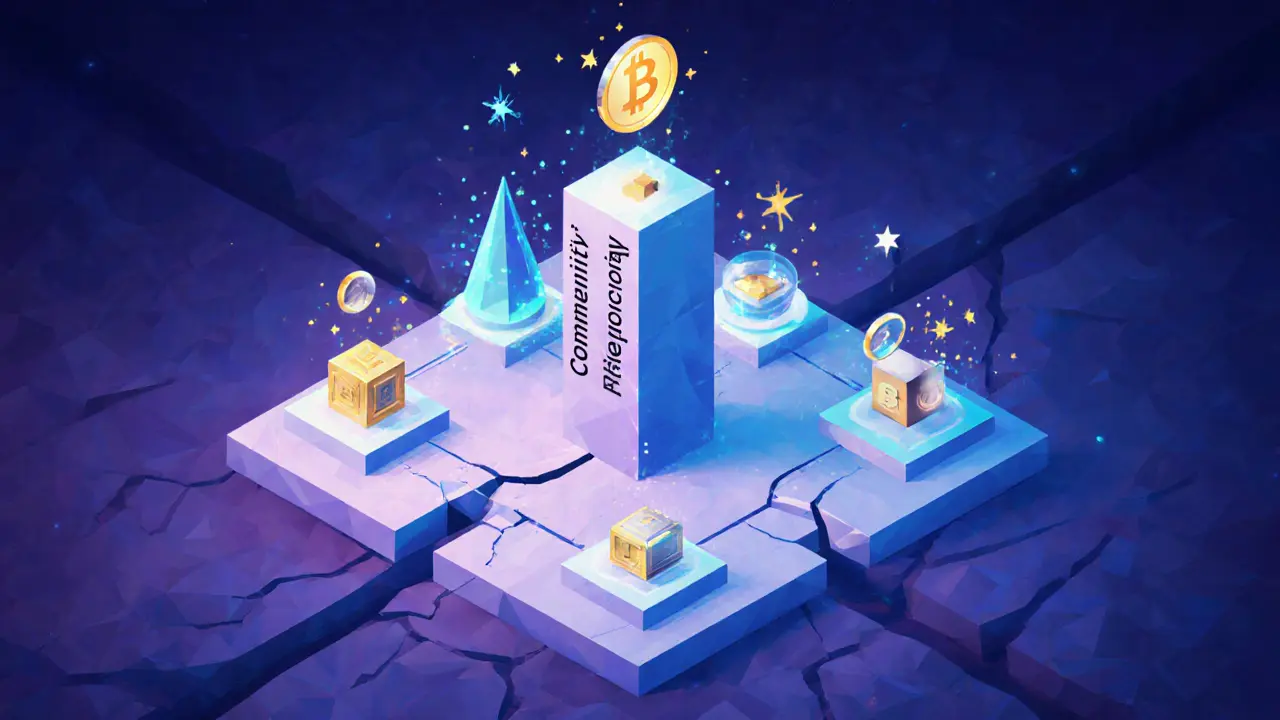
Token distribution models determine how crypto tokens are allocated among investors, teams, and users. Learn the most effective strategies in 2025, including vesting schedules, airdrops, and community allocations that drive long-term success.
- Read More