
Bitcoin Ban in Ecuador: What It Means for Crypto Users Today
When Ecuador officially Bitcoin ban in Ecuador, a government decision to block the use of Bitcoin as legal tender and restrict financial institutions from handling crypto transactions. Also known as crypto prohibition in Ecuador, it was meant to protect the national currency and prevent capital flight—but it didn’t stop people from trading. The ban came in 2018 under President Lenin Moreno, who cited risks like money laundering and financial instability. But unlike China or Nigeria, Ecuador never built a full surveillance system to enforce it. Banks were told not to touch crypto, but individuals? They kept using it anyway.
Behind the scenes, Ecuador crypto policy, the legal framework that restricts cryptocurrency use but lacks clear penalties for private holders. Also known as Ecuadorian digital currency rules, it’s more of a gray zone than a hard wall. You won’t find people getting arrested for holding Bitcoin in their wallets. What you will find are peer-to-peer traders using WhatsApp groups to swap USD for BTC, and remittance workers sending money home through crypto because traditional banks charge too much and move too slow. The crypto regulation Ecuador, the set of unofficial guidelines and banking restrictions that limit institutional crypto activity. Also known as Ecuadorian financial crypto controls, it’s why local exchanges don’t exist—but international ones do. People use Binance, Kraken, and Paxful without fear because the government doesn’t have the resources—or the will—to track them.
And here’s the twist: Ecuador’s own digital currency, the DCE (Digital Currency of Ecuador), launched in 2015 but collapsed by 2019 due to poor adoption and lack of trust. Now, many locals see Bitcoin not as a threat, but as the alternative they were never given. The Bitcoin ban in Ecuador didn’t kill crypto—it pushed it underground, where it’s more resilient than ever. You’ll find traders in Quito, Guayaquil, and even small towns using crypto to buy groceries, pay for repairs, or send money to family abroad. No bank account? No problem. Just scan a QR code.
What follows is a collection of real stories, data points, and policy breakdowns that show how crypto survives—even thrives—under restrictions. You’ll see how people bypass bans, why regulators struggle to keep up, and what happens when a country tries to control money that was built to be uncontrolled. This isn’t theory. It’s what’s happening right now in Ecuador—and it’s a preview of what could happen anywhere.
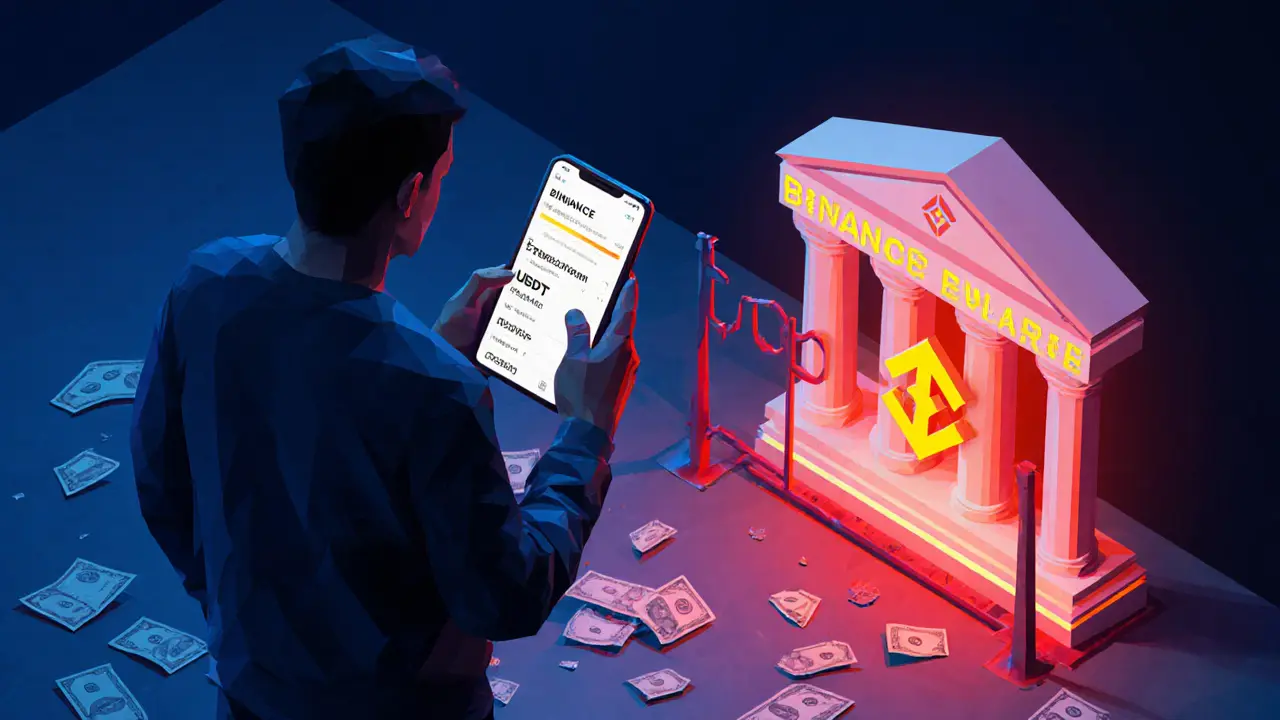
Ecuador bans banks from processing crypto transactions, forcing users into risky P2P workarounds. Learn how the ban works, what you can do legally, and why it’s hurting financial inclusion in 2025.
- Read More