
Bangladesh Crypto Ban: What It Means for Traders and Investors
When the Bangladesh crypto ban, a nationwide prohibition on cryptocurrency transactions enforced by the central bank in 2021. It is also known as the Bangladesh central bank crypto restriction, it made buying, selling, or holding digital assets illegal for citizens and financial institutions. The rule wasn’t just a warning—it came with criminal penalties, including jail time and asset seizures. Banks were ordered to freeze accounts linked to crypto exchanges, and people caught trading faced fines under the Money Laundering Prevention Act. This wasn’t about regulating crypto—it was about erasing it from the financial system.
But the ban didn’t kill crypto—it pushed it underground. Today, peer-to-peer trading still happens in Dhaka, Chittagong, and Sylhet, often through WhatsApp groups, cash meetups, or offshore platforms. People use remittance apps to send money abroad and convert it to Bitcoin or USDT on local P2P networks. The Bangladesh taka, the national currency that has lost over 30% of its value against the US dollar since 2020. It is also known as BDT, it has lost trust among locals, making crypto an attractive, if risky, alternative. Meanwhile, the Bangladesh Bank, the country’s central banking authority that enforces the crypto ban and controls all financial institutions. It is also known as BB, it continues to promote its own digital currency, the e-Taka, as the only legal digital payment option. That’s the real goal—not to protect consumers, but to replace private money with state-controlled digital cash.
What’s left for traders? Nothing official. No licensed exchanges operate in Bangladesh. No wallet providers are allowed to advertise. Even sending crypto to a foreign exchange can trigger a bank investigation. But the demand hasn’t disappeared—it’s just hidden. People who need to protect savings from inflation, send money home from abroad, or access global markets still find ways. Some use VPNs to access Binance or Bybit. Others trade through local agents who hold crypto in offshore wallets and pay out in cash. It’s risky, but so is keeping money in a currency that’s steadily losing value.
The Bangladesh crypto ban didn’t stop innovation—it just made it dangerous. If you’re in Bangladesh and using crypto, you’re not breaking the law because it’s convenient. You’re doing it because you have no other choice. The posts below show you how people are navigating this reality: from real cases of arrests to how P2P traders avoid detection, from the tools used to move value across borders to what happens when the authorities catch up. There’s no legal path here. But there are still ways to survive—and sometimes even thrive—under the radar.
- Nov, 24 2025
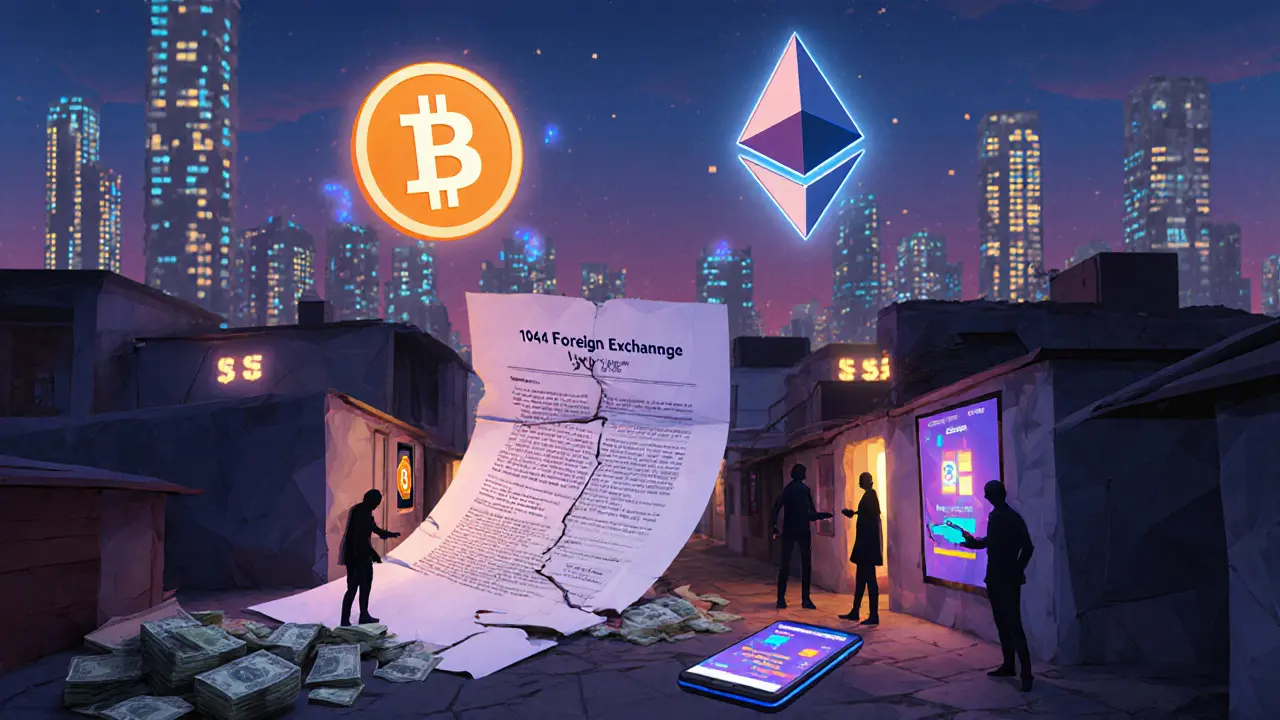
Bangladesh bans cryptocurrency under the 1947 Foreign Exchange Act, but the law doesn't actually define crypto as illegal. Despite the ban, crypto use thrives underground. Here's how it works in 2025.
- Read More