
Bangladesh Bank crypto rules: What’s allowed, banned, and how traders are reacting
When the Bangladesh Bank, the central bank of Bangladesh responsible for monetary policy and financial regulation. declared crypto transactions illegal in 2021, it didn’t shut down trading—it just pushed it underground. The rule is simple: no bank, no exchange, no payment processor can touch cryptocurrency. But that hasn’t stopped millions from buying Bitcoin, sending USDT, or trading BNB through P2P platforms. The Bangladesh cryptocurrency ban, a strict regulatory stance prohibiting financial institutions from facilitating crypto-related activities. targets banks, not users. That’s the loophole everyone’s using.
People in Dhaka, Chittagong, and Sylhet aren’t ignoring the law—they’re working around it. Local traders use WhatsApp groups to connect buyers and sellers, settle payments in cash or through mobile wallets like bKash, and trade on platforms like LocalBitcoins and Paxful. The central bank crypto policy, a rigid framework that blocks institutional access to crypto while leaving individual activity in legal gray areas. makes it risky for businesses to accept crypto, but individuals? They’re invisible to regulators unless they move large sums through formal channels. The real penalty isn’t jail—it’s losing money to scams. Fake exchanges, fake airdrops, and fake mining rigs have flooded Bangladesh’s crypto space since the ban. People think they’re trading Bitcoin, but they’re handing cash to strangers who vanish after the transfer.
There’s no official guidance on what counts as a violation. Is holding crypto illegal? The bank says no—but if you try to cash out through a bank, you’ll get flagged. Is using a VPN to access Binance against the law? Unclear. But if your bank account gets frozen because you sent $5,000 to a crypto wallet, you’ll have to prove you didn’t break the rules. And good luck with that. The crypto legality Bangladesh, a de facto prohibition masked by vague enforcement that creates confusion and fear among users. isn’t enforced like traffic laws. It’s more like a silent warning: don’t make noise, don’t draw attention, and don’t use banks.
What’s surprising is how much crypto activity still flows through the country. Estimates suggest over $200 million in crypto trades happen annually in Bangladesh, mostly through informal networks. Students, freelancers, and small business owners use it to get paid in USD, send money abroad, or protect savings from inflation. The Bangladesh Bank crypto rules haven’t killed crypto—they’ve made it harder, riskier, and more secretive. And that’s exactly why scams thrive. People desperate to trade don’t check audits, don’t verify teams, and don’t ask questions. They just want to buy.
What you’ll find in the posts below are real stories from people caught in this system: traders who lost everything to fake exchanges, freelancers who switched to crypto to survive, and the rare legal experts trying to make sense of a policy that makes no sense. No fluff. No theory. Just what’s happening on the ground in Bangladesh, where crypto isn’t banned—it’s buried.
- Nov, 24 2025
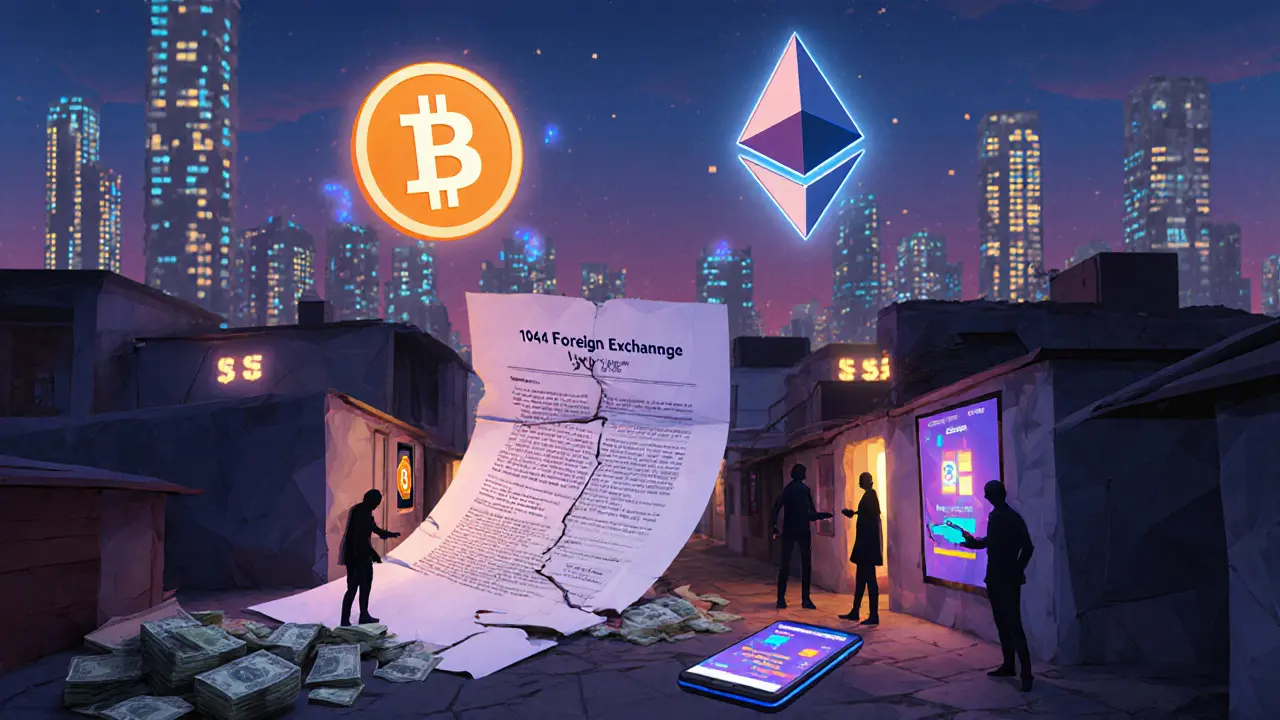
Bangladesh bans cryptocurrency under the 1947 Foreign Exchange Act, but the law doesn't actually define crypto as illegal. Despite the ban, crypto use thrives underground. Here's how it works in 2025.
- Read More