
Singapore Crypto Hub: Navigating Regulations and Growth in 2026
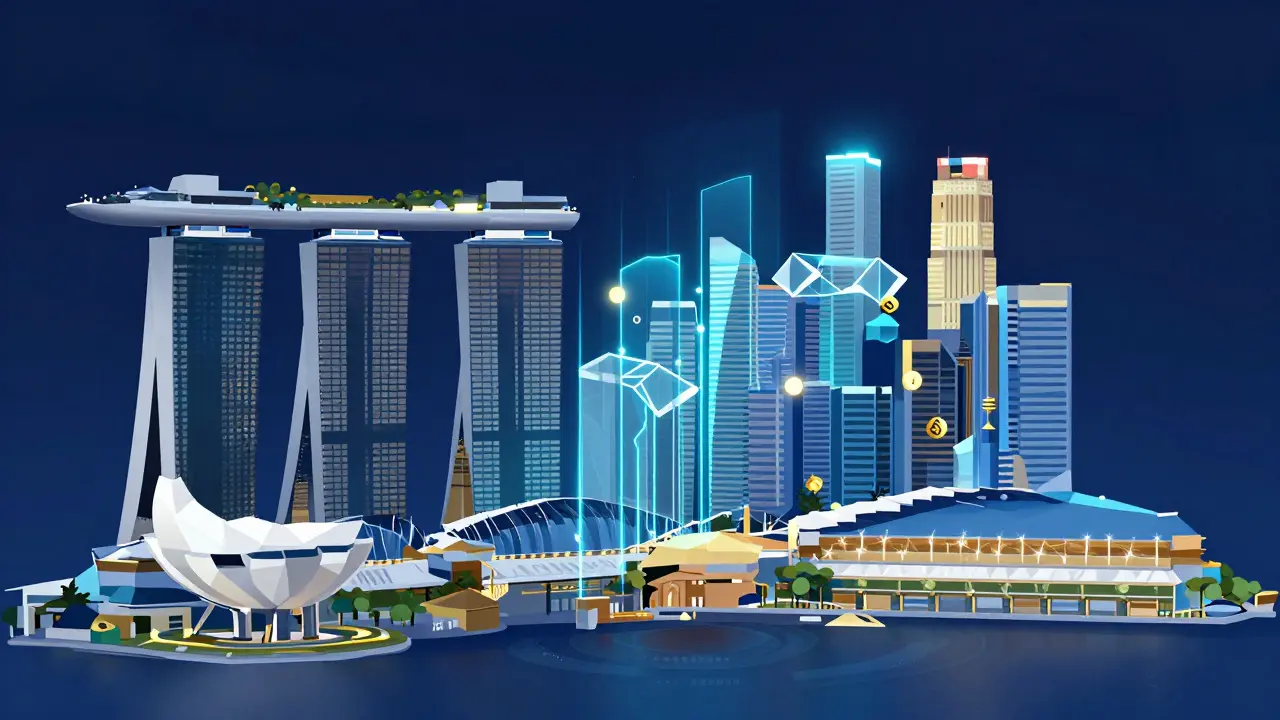
Imagine a city where the world's biggest hedge funds and a teenage DeFi coder are both following the same rulebook. That is the reality in Singapore right now. While other countries are still arguing over whether Bitcoin is a currency or a commodity, Singapore has quietly built a high-tech fortress for digital assets. It is not just about being "crypto-friendly"; it is about creating a system where the risk is managed so well that the biggest players in finance feel safe moving billions of dollars on-chain.
| Metric | Value / Status | Significance |
|---|---|---|
| ApeX Protocol Score | 100/100 | Ranked most "crypto-obsessed" nation globally |
| Fortune 500 Pilots | 83% | Operating under MAS-approved frameworks |
| Stablecoin Activity | $2.4 Trillion (APAC) | Second largest stablecoin hub after the US |
| Tax on Trading | 0% | No tax on capital gains, staking, or mining |
The MAS Approach: Balancing Innovation with Strict Guardrails
If you want to run a crypto business in Singapore, you have to deal with the Monetary Authority of Singapore the central bank and financial regulatory authority of Singapore, commonly known as MAS. Unlike some jurisdictions that take a "wait and see" approach, MAS has built a detailed map of what is allowed and what is not. They don't treat all tokens the same; they distinguish between payment tokens, security tokens, and utility tokens, each with its own set of rules.
This clarity is exactly why 83% of Fortune 500 blockchain pilots are running here. Big banks don't like surprises, and MAS provides a predictable environment. However, this isn't a free-for-all. The June 30, 2025, deadline was a wake-up call for the industry. Any firm operating without a proper license was forced to shut down or pivot. This created a massive "reallocation of liquidity," where the "wild west" players left, and the serious, licensed institutional players took over the market share.
Why Institutions are Flocking to the Lion City
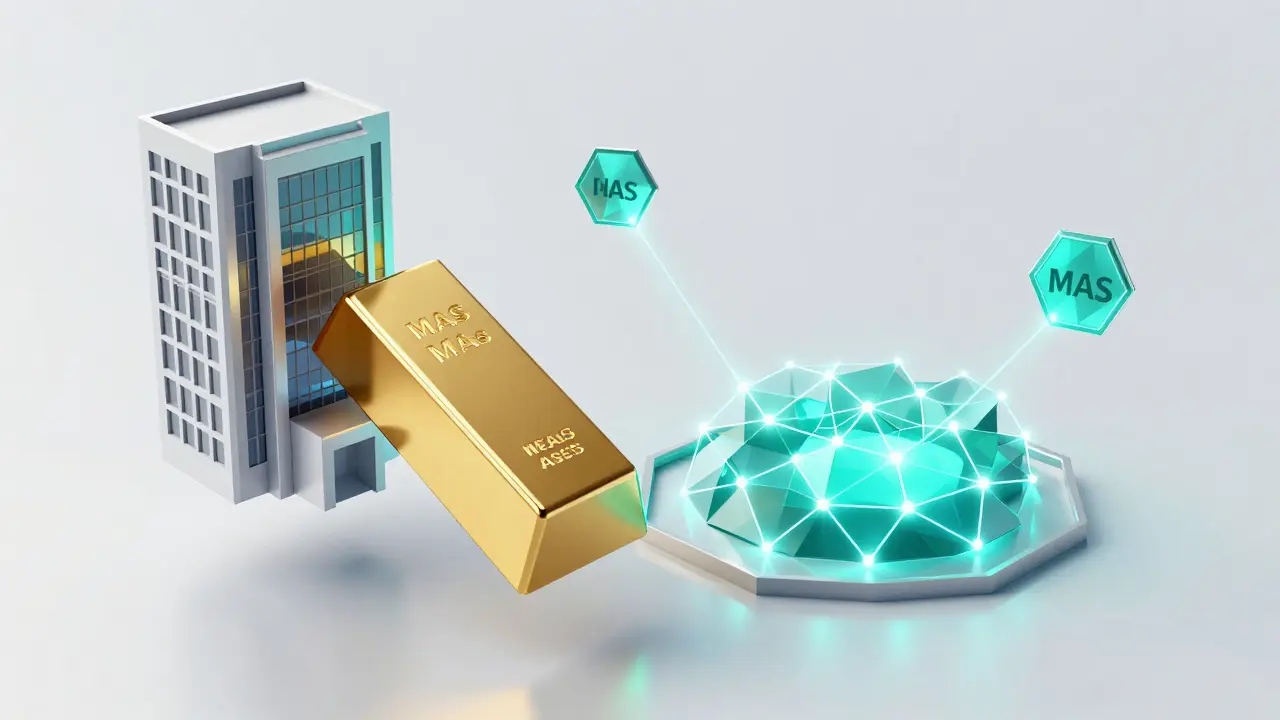
It is one thing to have a few retail traders buying Dogecoin; it is another to have BlackRock the world's largest asset manager selecting Singapore as its primary Asian tokenization hub. The shift toward tokenization-turning real-world assets like real estate or gold into digital tokens-is the real game-changer. Experts predict this will unlock a $2 trillion opportunity by 2030, and Singapore is positioning itself as the primary gateway for this transition.
Then there is the infrastructure. SWIFT the global messaging network used by banks to securely transmit information is already testing Central Bank Digital Currency (CBDC) bridges with local banks. When you combine this with the arrival of Circle the issuer of the USD Coin (USDC) stablecoin, which opened its Singapore office in May 2025, you see a clear pattern: the infrastructure for a new global financial system is being built here in real-time.
Stablecoins as the New Cross-Border Engine
Stablecoins are no longer just tools for traders to hide from volatility. In Singapore, they are becoming a legitimate payment method for businesses. We are seeing a massive surge in corporate stablecoin transactions, jumping from under $100 million in 2023 to over $3 billion by early 2025. It is not just tech companies either. High-end resellers like Ginza Xiaoma, luxury hotels like Capella, and travel agencies like Wetrip are adopting these assets to move money faster and cheaper.
The most interesting trend is the "Singapore-China corridor." This has become the most active route for cross-border stablecoin transactions globally. Because Singapore provides a regulated, transparent environment, it serves as the perfect bridge for capital flowing between the West and the East. It is essentially the digital version of the historic trade routes that made the city a port power centuries ago.
The Tax Haven Advantage and Talent Migration
Let's be honest: money follows the path of least resistance. Singapore's tax policy is a magnet for crypto wealth management. The city-state simply does not tax trading gains, staking rewards, or mining profits. For a high-net-worth individual or a crypto founder, this is an incredible incentive. It's a primary reason why we've seen a migration of industry leaders, including the founders of Crypto.com and key figures from Binance.
This migration isn't just about taxes; it's about the ecosystem. When you host an event like TOKEN2049 one of the world's largest cryptocurrency conferences, which brought 25,000 attendees to Marina Bay Sands in late 2025, you aren't just throwing a party. You are concentrating the smartest minds in the industry in one place. With sponsors like Coinbase and OKX fueling the fire, the networking density in Singapore is now higher than in almost any other crypto hub.

Generational Shifts and the DeFi Future
The growth of this hub is also being driven by a demographic wave. Millennials and Gen Z are adopting digital assets at rates three times higher than Baby Boomers. This isn't just about speculation; they are looking for Decentralized Finance a blockchain-based form of finance that does not rely on central intermediaries (DeFi) to manage their savings, borrow money, and establish digital identities.
Singapore is catering to this shift by building "crypto-first" public services and tokenized economies. They are effectively creating a testbed where the government and the private sector can experiment with how money works in a world without banks as the sole gatekeepers. By focusing on the intersection of regulation and generational demand, Singapore is ensuring its hub status isn't just a temporary trend, but a long-term structural shift in global finance.
Is it legal to trade cryptocurrency in Singapore?
Yes, it is legal. However, the MAS heavily regulates the entities that provide these services. While individual trading is legal, platforms must hold the appropriate licenses to operate and offer services to the public.
Do I have to pay tax on my crypto gains in Singapore?
Generally, no. Singapore does not impose capital gains tax, which means most individual traders do not pay tax on their crypto profits, staking rewards, or mining earnings.
What happened to unlicensed crypto firms in June 2025?
The MAS set a hard deadline of June 30, 2025. After this date, any crypto service provider operating without a valid license was required to cease operations, leading to a significant cleanup of the local market and a shift toward institutional-grade services.
Why is Singapore better for institutions than other hubs?
The key is "institutional trust at scale." Unlike more permissive hubs, Singapore provides a predictable legal framework and high regulatory standards, which allows firms like BlackRock and Goldman Sachs to innovate without fearing sudden legal shifts.
What is a tokenized real-world asset?
It is the process of converting ownership of a physical asset (like a building, a piece of art, or a gold bar) into a digital token on a blockchain. This allows for fractional ownership and much faster trading of traditionally illiquid assets.
What to do next
If you are an entrepreneur looking to enter the space, your first move should be a deep dive into the MAS licensing requirements. Don't try to "move fast and break things" here; the regulatory environment is too strict for that. Instead, focus on compliance first.
For investors, keep an eye on the tokenization of real-world assets. The partnerships between Singaporean banks and global firms like BlackRock suggest that the next big wave of growth won't be in new meme coins, but in the digital representation of traditional wealth. If you're looking for the pulse of the market, mark your calendar for the next TOKEN2049 event-it's where the real deals happen.
Kathleen Bergin
April 21, 2026 AT 17:02Everyone knows that MAS is just copying what the Swiss did years ago with their digital asset laws. It is not actually new technology, just a different city doing the same thing with more money and better marketing.
Larry Yang
April 21, 2026 AT 21:54The sheer amatuerism of thinking a 0% tax rate is the primary driver here is honestly embarrassing. It is obvious that the strategic proximity to the mainland and the sheer lack of local competition in the high-end tokenization space is what matters. The rest of you are just blinded by the flashing lights of Marina Bay Sands and don't see the structural inefficiencies being glossed over in these reports. It's quite frankly pathetic that we're still debating the basics of liquidity reallocation in 2026 when the outcome was predestined the moment BlackRock stepped in.
Charlie Queen
April 22, 2026 AT 07:42This is so exciting! 🚀 I love seeing different cultures embrace the future of finance. Singapore is really showing the world how to bridge the gap between old school banking and the new web3 era! 🌟✨
Benjamin Forg
April 22, 2026 AT 17:13just another way for the global elite to track every single cent you move while calling it innovation. the cbdc bridges are just digital shackles and the mas is the warden
Caiaphas Konkol
April 22, 2026 AT 20:07The naivety here is staggering. You truly believe this is about 'growth' and not about creating a centralized choke point for all Asian capital flows? This is clearly a coordinated effort to phase out decentralized anonymity in favor of a curated, state-approved version of blockchain. It is the ultimate consolidation of power disguised as a 'regulatory framework'.
Mike Krasner
April 24, 2026 AT 19:32boring. who cares about licenses when you can just run a node in a basement somewhere else
Sara Ellis
April 26, 2026 AT 02:50it is all just numbers on a screen anyway
Robert Mosolygo
April 26, 2026 AT 03:47The integration of SWIFT and CBDCs is the final nail in the coffin for financial privacy. Once the 'Singapore-China corridor' is fully operational, every transaction will be logged, analyzed, and used to score your social utility. We are witnessing the birth of a pan-Asian surveillance state fueled by the very technology that was promised to liberate us from central authorities.
Tony Gurley-Ward
April 26, 2026 AT 11:09Imagine thinking a rulebook makes a market soulful! It is like trying to capture lightning in a Tupperware container. The magic of crypto was the chaos, and now we are turning it into a well-manicured corporate garden. I love it, but I also hate it! It's a beautiful tragedy of efficiency.
Doc Coyle
April 27, 2026 AT 06:13It is simply a matter of ethics. Allowing massive hedge funds to move billions without the same scrutiny as a retail trader is fundamentally wrong, regardless of how 'predictable' the environment is for the banks.
Kyle Bush
April 27, 2026 AT 12:26USA should just blow this whole thing out of the water and take the hub back! 🇺🇸 Why are we letting a tiny island dictate the flow of digital wealth? Get the US regulators to actually do their jobs for once! 🦅💥
Lisa Camp
April 28, 2026 AT 07:51STOP WAITING AROUND AND GET YOUR LICENSES NOW! THE TIME TO MOVE IS TODAY OR YOU WILL BE LEFT IN THE DUST WHILE THE BIG PLAYERS TAKE EVERYTHING!
Ellie Drews
April 29, 2026 AT 04:20It's great to see a path for entrepreneurs to enter the space safely. Just remember to take things one step at a time and prioritize those compliance checks so you don't run into trouble later on.
Guy Bianco
April 30, 2026 AT 18:48I believe it is important to note that for those new to the industry, the transition to institutional standards often requires a shift in mindset regarding governance. :) It may be challenging at first, but the long-term stability is worth the effort.
One should consider the legal nuances of each token type carefully before proceeding.
debashish sahu
May 2, 2026 AT 03:46Singapore has always been a crossroads of trade and this is just the modern evolution of that history. It is interesting to see how the city blends traditional Asian values with cutting edge western finance to create something unique. The focus on stability over speculation is a very balanced way to approach the future of money.