
Nigeria Ranks Top in Global P2P Crypto Adoption: A Deep Dive
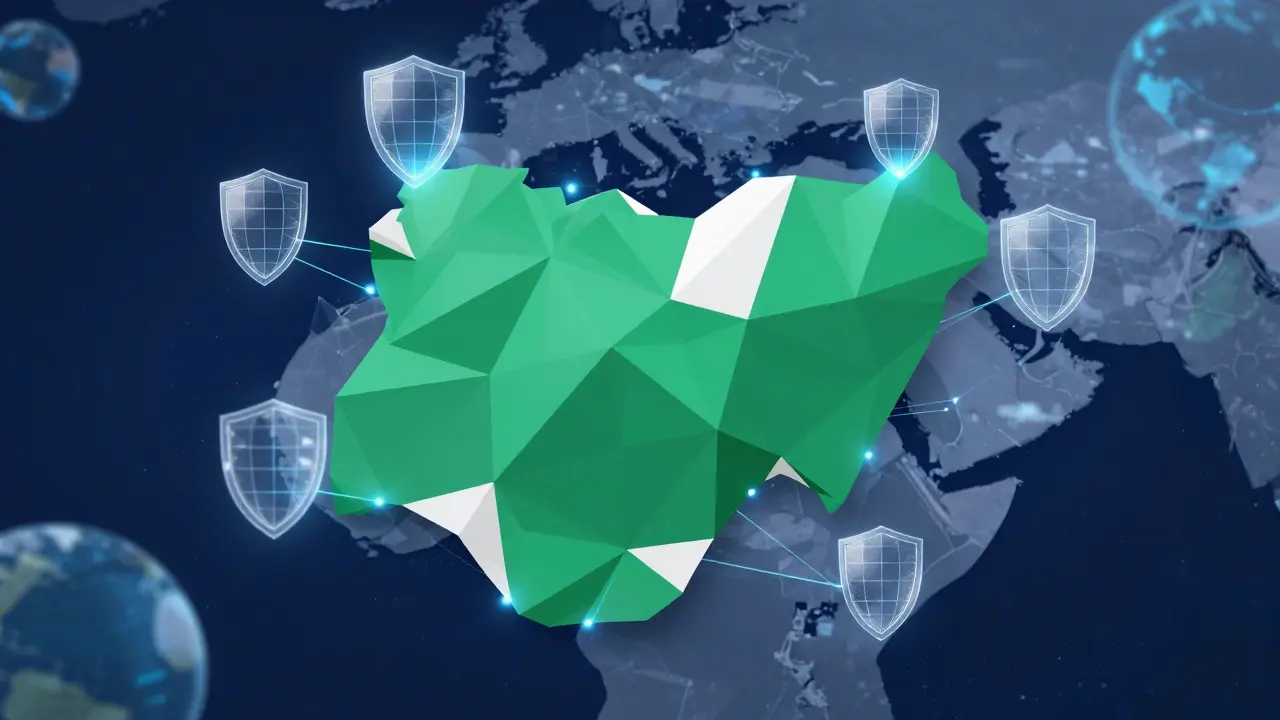
The story of Nigerian cryptocurrency is one of survival against the odds. While most nations struggled with regulatory hurdles, Nigeria transformed those barriers into a digital fortress for its citizens. By 2026, West Africa has emerged as the undeniable heart of the global peer-to-peer ecosystem. Despite tight monetary policies and volatile currency values, Nigerians manage billions of dollars in transactions using decentralized tools. You might wonder how a country officially restricted from banking on cryptocurrencies became the world's champion of usage.
The Numbers Behind the Headlines
You can't argue with the raw data. Between July 2023 and June 2024, recorded transactions in the Nigerian crypto market hit over $59 billion. That figure places the nation consistently in the top tier of global markets. When you look at the Chainalysis 2025 Global Crypto Adoption Index released earlier this year, Nigeria secured the 6th spot worldwide, maintaining its position as the second-highest in Africa. The Cornell Business analysis adds another layer, suggesting the nation's grassroots penetration rates exceed those of many G20 economies. These aren't just theoretical numbers; they represent real money moving between individuals who want to bypass traditional financial gatekeepers.
| Metric | Nigeria | Global Average |
|---|---|---|
| Adoption Rate | ~10% of adult population | ~3.5% |
| Annual Transaction Vol | $59B+ | Varies widely |
| Primary Usage | Savings & Remittances | Speculation & Trading |
Economic Desperation Fuels Innovation
Why would people risk their savings on digital assets? The answer lies in the macroeconomic reality. In 2023, inflation in Nigeria surged past 24%, eroding purchasing power daily. During the same period, the local currency, the Naira, lost more than three-quarters of its value against the US dollar compared to 2016 levels. For a regular citizen holding cash meant watching their life savings vanish. Cryptocurrencies like Bitcoin offered a shield. They functioned less like speculative investments and more like a vault. With roughly 36% of adults still classified as unbanked, the digital wallet became the primary account for a generation seeking financial dignity.
The Paradox of Restrictions
Here is where the situation gets counter-intuitive. The Central Bank of Nigeria (CBN) actually instructed commercial banks to stop processing crypto-related payments back in 2017. Instead of killing the market, the ban pushed activity underground. Traders couldn't use formal bank wires, so they built networks outside the system. Peer-to-peer (P2P) trading became the standard. Users traded directly, exchanging fiat money via mobile transfers for crypto held in wallets. This informal network proved resilient enough that it outlasted the policy. By the time the ban was lifted in late 2023, the infrastructure was already solidified. The resistance didn't stop the adoption; it only strengthened the alternative channels.

Building Infrastructure from Scratch
We are seeing a massive shift from guerrilla tactics to institutional strength. In 2025, the Nigeria Inter-Bank Settlement System (NIBSS) partnered with Zone's blockchain network. This deal modernized how interbank settlements work, making them faster and more transparent. It signals that the state is catching up to the speed of the private sector. Fintech giants like Moniepoint reached unicorn status with a $1 billion valuation, partly fueled by integrating blockchain capabilities. Local exchanges such as Quidax, Patricia, and Luno evolved from sketchy playgrounds into compliant businesses. They now handle identity verification and liquidity pooling, reducing the friction that used to plague new users.
Everyday Use Cases
For the average user in Lagos or Abuja, the utility is practical, not philosophical. Most aren't chasing "moonshots." They are sending remittances abroad. Traditional services charge fees up to 8% per transaction. P2P crypto transfers allow these costs to drop significantly, sometimes saving families 60-80% on international fees. It's also become the go-to method for importing goods. Small business owners import electronics or parts using stablecoins to avoid exchange rate traps. As one local trader noted, "We don't care about blockchains. We care that our money doesn't lose value while sitting in the account." This pragmatic approach keeps the user base loyal even when the broader crypto market fluctuates.

Navigating the Risks
The ecosystem is robust, but it isn't without danger. The early days saw scams like MMM OneCoin confuse investors. While education has improved, security remains a concern. Wallet management requires discipline. Losing your private keys means losing your funds with no central authority to reverse the error. Furthermore, the learning curve is steep. A beginner might need weeks to master basic security hygiene and understanding price volatility. Yet, community support fills the gap. Telegram groups and WhatsApp networks serve as informal help desks, mentoring new entrants through safety protocols. This organic educational structure acts as a buffer against fraud.
What's Next for the Market?
Looking ahead to the rest of 2026, the trajectory points toward hybridization. Expect to see more regulated institutional-grade markets blending with the existing P2P dominance. The Investments and Securities Act enacted recently recognizes digital assets as securities, offering legal clarity. Analysts predict Nigeria could hold the largest share of African crypto economy volume within two years. However, risks persist regarding international compliance pressure. Nations may push for stricter Know Your Customer (KYC) rules that could slow down the lightning-fast anonymity some traders cherish. The balance will define the next decade.
Frequently Asked Questions
Why is Nigeria ranked first in P2P adoption?
Nigeria ranks highly due to economic necessity. High inflation and currency devaluation force citizens to seek stability in crypto assets like Bitcoin. Additionally, a large unbanked population lacks access to traditional foreign exchange, making P2P platforms a vital lifeline for trade and savings.
Is cryptocurrency trading legal in Nigeria?
As of late 2023, the Central Bank of Nigeria reversed previous restrictions on banks servicing crypto businesses. While the regulatory framework continues to evolve, personal ownership and trading on registered exchanges are currently permitted under the new Investments and Securities Act.
Which platforms do Nigerians use for P2P trading?
Popular platforms include Binance P2P, Paxful, and local favorites like Quidax, Patricia, and Luno. These platforms offer interfaces tailored to local payment methods like bank transfers and USSD codes, ensuring accessibility for various users.
What are the risks involved in crypto adoption?
Risks include potential regulatory changes, platform security vulnerabilities, and price volatility. Scams remain a concern, so users are advised to perform thorough due diligence and use hardware wallets for significant holdings to secure their assets.
How much does P2P save compared to traditional banks?
Users frequently report saving between 60% to 80% on transaction fees. Traditional remittance services often charge upwards of 8%, whereas P2P trades utilize spreads that are often competitive and significantly lower than wire transfer costs.
Chris R
March 27, 2026 AT 08:49We live in Lagos and the reality matches these stats perfectly. People just want to save their hard earned cash from losing value daily. It feels great to finally have options outside the traditional banks.
Shaira Vargas
March 27, 2026 AT 09:22This is absolutely crazy and amazing all at once. My heart hurts thinking about how much struggle there was before this.
Jamie Riddell
March 28, 2026 AT 08:31I can see why you feel that strongly about it really. Community resilience is something to respect deeply.
Matt Bridger
March 29, 2026 AT 07:32The regulatory environment usually stifles such growth yet here it flourished despite opposition. Data does not lie about the shift in power dynamics.
Zackary Hogeboom
March 29, 2026 AT 13:07That is actually wild to think bans made it stronger instead of weaker. People adapt so fast when they really need to survive.
Elizabeth Akers
March 30, 2026 AT 21:01Cool stuff happening down there for sure. Makes me think about how tech moves fast everywhere now.
Leah Lara
March 31, 2026 AT 06:53Seems like another day in the world where numbers matter more than laws.
Addy Stearns
March 31, 2026 AT 22:27It is interesting how necessity drives innovation when the system fails people. We see this pattern throughout history whenever fiat currency loses its grip on reality. The Nigerian situation presents a unique case study that defies standard economic models. Most observers assume regulation always kills organic market growth without fail. They forget that human ingenuity finds a way through any barrier eventually. When people cannot trust their bank accounts they seek alternative stores of value. Bitcoin serves that purpose well even if it looks risky on paper initially. The sheer volume of transactions suggests deep penetration beyond just speculation circles. Small businesses rely on these tools for survival during high inflation periods constantly. Remittances become cheaper and faster which helps families stay connected globally. Traditional banking systems often move too slow for the speed required today. Decentralization provides a layer of protection against centralized failure points. We might see similar movements in other regions facing similar monetary pressures soon. Governments usually react after the technology becomes embedded in daily life. Adaptation seems inevitable regardless of the initial stance taken by officials.
Raymond K
April 1, 2026 AT 09:00Thats such a deep take on evrything honestly. So glad peple are finding ways to make ends meet wit crypto tools though.
Ashley Stump
April 1, 2026 AT 17:12They are probably tracking every wallet movement anyway.
Justin Smith
April 3, 2026 AT 12:32Surveillance capabilities exist but privacy coins offer mitigation strategies.
Samson Abraham
April 5, 2026 AT 10:34Keeping boundaries clear between personal finance and public policy is important. Everyone deserves financial dignity without excessive interference.
Jay Starr
April 6, 2026 AT 09:34I feel like this whole situation is going to change everything for us soon. The stakes feel incredibly high right now.
Markus Church
April 8, 2026 AT 02:58The integration of blockchain into settlement systems indicates maturity of the sector. Future hybrid models will likely define the next decade clearly.