
MagicCraft (MCRT) Genesis NFT Airdrop: How It Worked and What’s Next
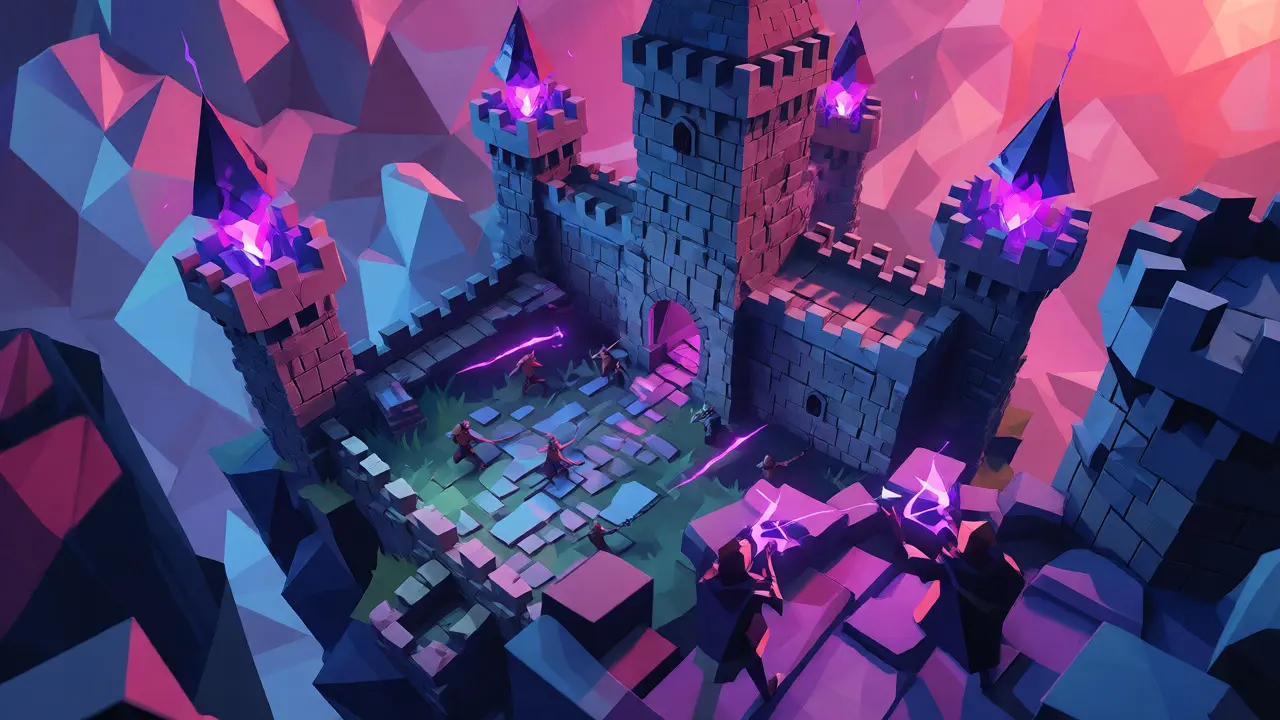
Imagine dropping your real-world cash and in-game items just because you lost a battle. That was the high-stakes thrill of MagicCraft, a play-to-earn PVP Castle Siege game built on Binance Smart Chain. For many gamers, the entry point wasn't just downloading an app-it was hunting for the Genesis NFT Campaign airdrop. If you missed out or are wondering if there is still juice to squeeze from this project, you need to understand exactly how these distributions worked and what value they actually delivered.
What Was the MagicCraft Genesis NFT Airdrop?
The MagicCraft ecosystem revolves around $MCRT, its native cryptocurrency, and a unique gameplay loop where players fight over castles filled with "Magicus," a magical energy source. The airdrops weren't just random giveaways; they were strategic moves to bootstrap the community. There were two distinct types of campaigns documented, each with different rules and rewards.
One major campaign offered a massive prize pool: 50 MagicCraft Genesis NFTs plus 1,000,000 $MCRT tokens split among 500 winners. This tiered system meant that luck played a huge role. If you landed in the top 50, you got an NFT plus 5,000 MCRT. But if you were in positions 301-500? You only walked away with 300 MCRT. Another campaign, often highlighted on platforms like CoinMarketCap, focused purely on NFTs. It distributed 222 MagicCraft Genesis NFTs to 222 random winners. The kicker here was a hidden Tesla prize hardcoded into one specific NFT. Whoever minted that lucky character knew instantly upon seeing the image displayed.
Breaking Down the Genesis NFT Collection
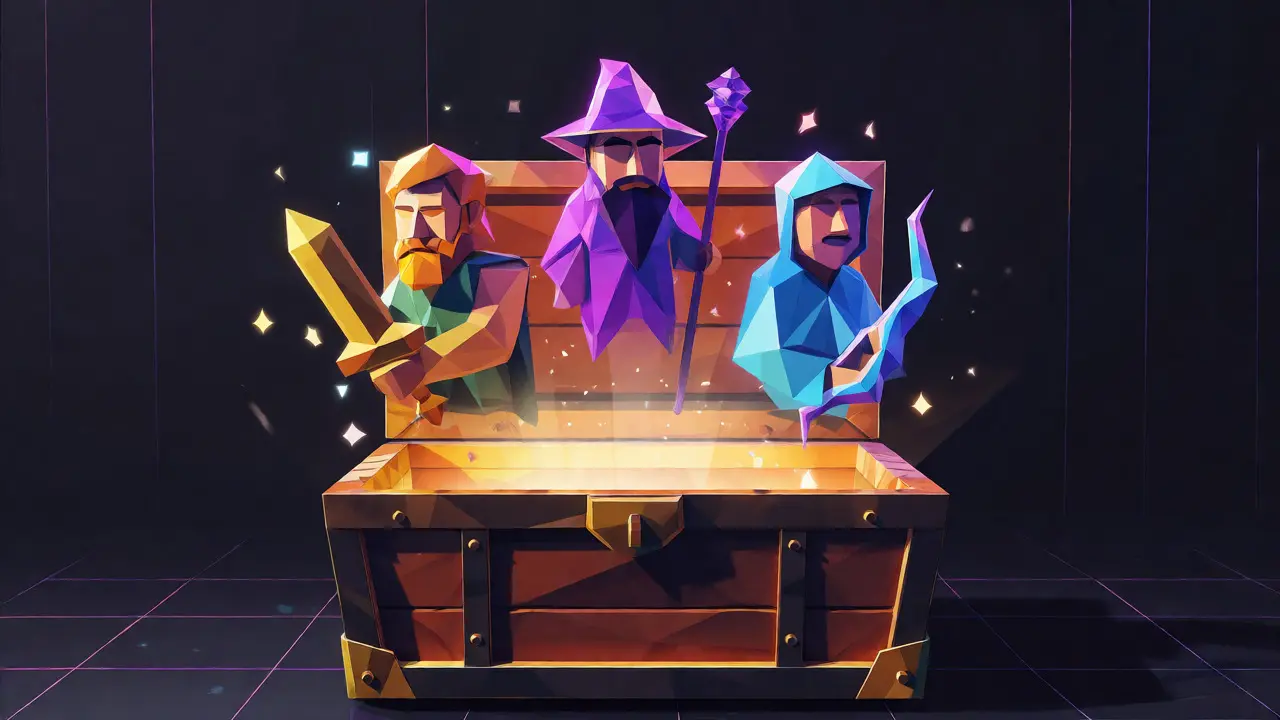
Not all NFTs are created equal, and MagicCraft made sure their Genesis collection had clear scarcity mechanics. The total supply was capped at 9,999 unique characters. These weren't just JPEGs to look at; they were functional keys to the game's economy. Each NFT represented a character class-Warriors, Wizards, or Archers-and came with distinct traits like weapons, armor, spells, and poses.
Rarity determined your potential earnings and status within the guild system. Here is how the distribution looked:
| Rarity Tier | Percentage of Supply | Estimated Count (of 9,999) | Primary Benefit |
|---|---|---|---|
| Rare | 90% | ~8,999 | Standard gameplay access |
| Epic | 9% | ~899 | Enhanced stats and exclusive events |
| Legendary | 1% | ~100 | VIP Lobbies and premium raids |
When you minted or received an NFT, the rarity was revealed immediately. This moment of discovery drove much of the hype. Legendary holders gained access to VIP Lobbies and secondary currency lobbies, which meant higher earning opportunities compared to standard players stuck in general queues.
How the Tokenomics Supported the Hype
You might wonder why anyone would care about a free NFT if the game itself didn't have economic depth. MagicCraft integrated a DAO governance model, meaning $MCRT stakers earned rewards and voting rights. The airdropped tokens weren't just pocket change; they were fuel for participation. By holding MCRT, you could stake it to earn more, creating a flywheel effect where active players accumulated wealth faster than passive observers.
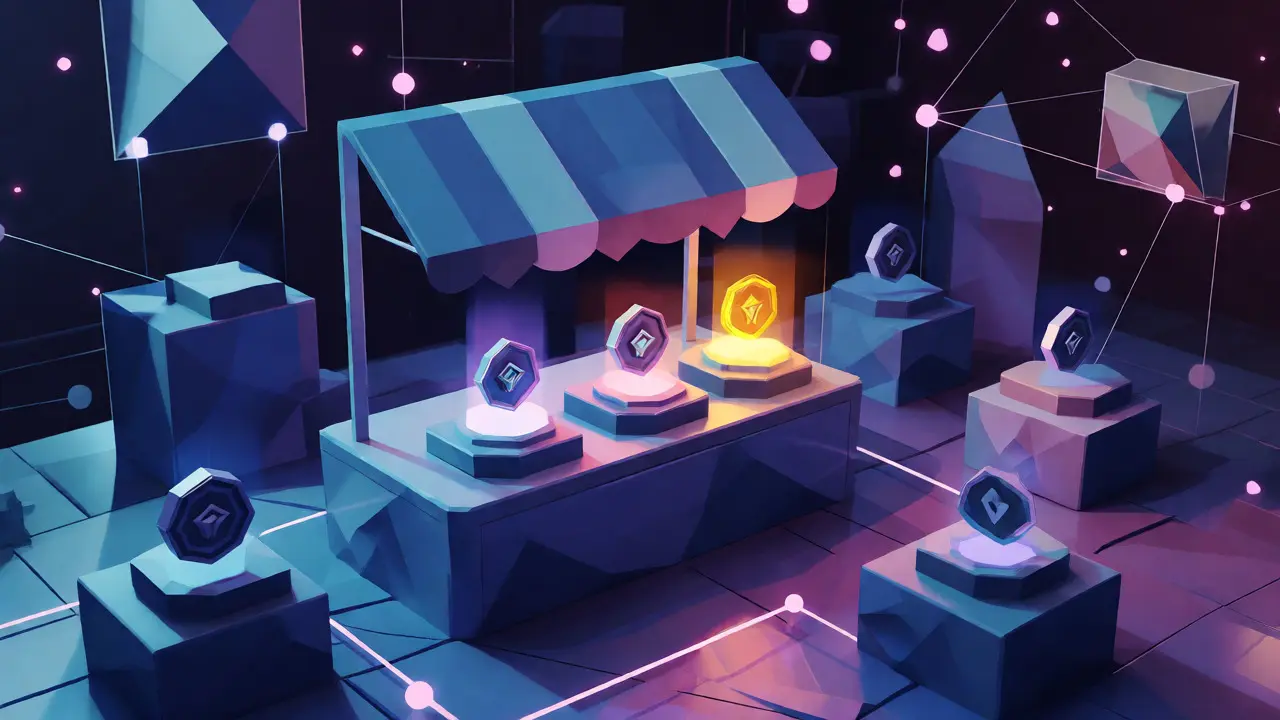
The marketplace operated exclusively using $MCRT. If you won a Genesis NFT in an airdrop, you could list it for sale right away. Buyers could bid in auctions or buy fixed-price items instantly. However, keep in mind that promotional NFTs given by partners sometimes couldn't be sold on the main marketplace. They often unlocked special skins instead, appearing in your inventory after a 30-minute to 1-hour processing delay.
Participation Mechanics and Common Pitfalls
Getting into these airdrops required more than just clicking a button. Most campaigns demanded social engagement: following Twitter accounts, joining Telegram groups, and retweeting announcements. Some tasks involved connecting your wallet to verify eligibility. A common mistake users made was assuming all airdropped assets were tradable. As noted, partner-supplied free NFTs often lacked resale utility.
Another pitfall was ignoring the time sensitivity. The MagicCraft airdrop campaigns were time-limited promotional events. Once the window closed, no new participants could enter. Winners were announced via official social channels, usually within 14 days of the campaign ending. If you didn't check your connected wallet or email regularly, you might have missed the claim deadline entirely.
Current Status: Is It Too Late?
As of late 2026, the specific Genesis NFT airdrop campaigns referenced in early documentation have concluded. Platforms like AirdropAlert marked them as finished, meaning no new entries are accepted. This doesn't mean MagicCraft is dead, but it does mean the easy entry points have shifted. The project continues to operate on Binance Smart Chain, leveraging lower transaction fees compared to Ethereum-based rivals.
If you are looking to get involved now, your best bet is monitoring official MagicCraft channels for future updates. The team has historically run seasonal events or new minting phases. While you can't grab those original 222 Tesla-winning NFTs anymore, the core gameplay loop of collecting taxes in $MCRT through clan victories remains active.
Frequently Asked Questions
Can I still claim the MagicCraft Genesis NFT airdrop?
No, the specific Genesis NFT Campaign airdrops documented in 2021-2022 have concluded. These were time-limited events. You should monitor official MagicCraft social media channels for any new promotional campaigns or minting opportunities.
What is the difference between Rare, Epic, and Legendary NFTs?
Rarity determines gameplay benefits. Rare NFTs make up 90% of the supply and offer standard access. Epic NFTs (9%) provide enhanced stats and event access. Legendary NFTs (1%) grant access to VIP Lobbies and premium raids, offering higher earning potential.
Why can't I sell some of my airdropped NFTs?
Some NFTs provided by partners or as part of special promotions are non-transferable on the marketplace. These typically unlock in-game skins or cosmetic items rather than serving as tradeable assets. Check the specific terms of the NFT you received.
How long does it take for an airdropped NFT to appear in my wallet?
There is typically a processing delay of approximately 30 minutes to 1 hour for newly purchased or minted NFTs to display in your user inventory. If it hasn't appeared after this time, check your transaction history on BscScan.
Was there really a Tesla prize in the airdrop?
Yes, in one specific campaign featuring 222 winners, a Tesla prize was hardcoded randomly into one of the NFTs. The winner knew immediately upon minting because a specific image was displayed indicating the grand prize.