
Liquid Staking and DeFi Composability: Unlocking Capital Efficiency in 2026

You have ETH sitting in your wallet. You want to earn staking rewards to support the network and grow your balance. But you also need that capital accessible for trading or lending. In traditional proof-of-stake systems, this is a catch-22. You stake, you wait, you miss out on other opportunities. Liquid staking is a mechanism that allows users to stake assets while receiving a tradable token representing their stake. It solves this liquidity trap. When combined with DeFi composability, which is the ability of decentralized finance protocols to interoperate and build upon each other like financial Lego blocks, it transforms idle assets into active, multi-layered income generators.
This guide breaks down how liquid staking works, why it matters for your portfolio in 2026, and how to leverage composability without taking on unnecessary risk.
How Liquid Staking Works
Traditional staking requires you to lock up your tokens directly with a validator. If you want to move those funds, you often face an unbonding period that can last days or even weeks. During that time, your capital is dead weight. It earns nothing and cannot be used elsewhere.
Liquid staking protocols change this dynamic. Here is the process:
- Deposit: You send your native tokens (like ETH) to a liquid staking protocol.
- Staking: The protocol pools these funds and stakes them with professional validators to secure the blockchain.
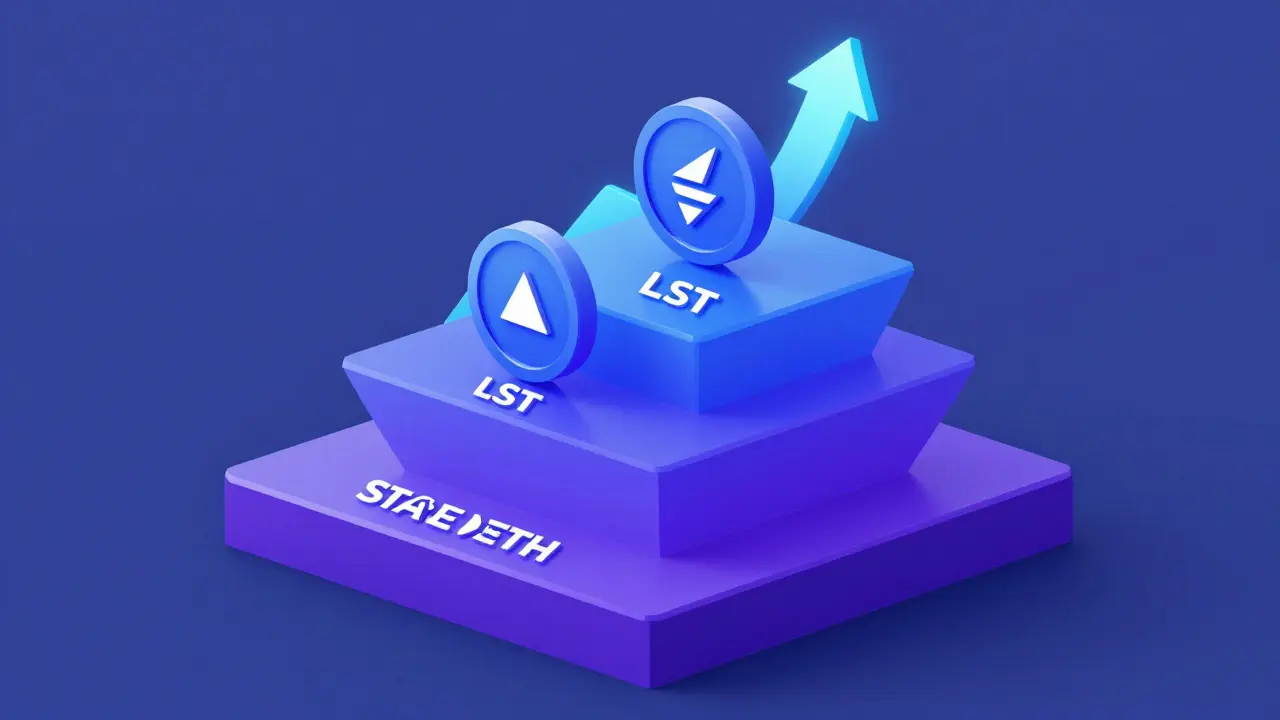
- Minting: In return, you receive a Liquid Staking Token (LST), which is a derivative token representing your claim on the staked assets plus accrued rewards. For example, depositing ETH might get you stETH or rETH.
- Earning & Using: Your underlying ETH continues earning staking rewards. Meanwhile, you hold the LST, which you can trade, sell, or use in other DeFi applications immediately.
The magic lies in step four. Because the LST represents value that grows over time (as staking rewards accrue), it becomes a functional asset within the broader ecosystem. You are not just holding a receipt; you are holding a yield-bearing instrument that acts as cash.
Two Models of Reward Distribution
Not all LSTs behave the same way. Understanding the technical model behind your token helps you predict its behavior in wallets and exchanges. There are two primary models: cToken and aToken.
| Model Type | Mechanism | User Experience | Example Protocols |
|---|---|---|---|
| cToken Model | The exchange rate between the LST and the underlying asset increases over time. | Your wallet balance stays the same, but the value of each token rises relative to the base asset. | Lido (stETH), Rocket Pool (rETH) |
| aToken Model | The total supply of LSTs increases to distribute rewards, keeping the exchange rate stable. | Your wallet balance increases numerically, but the price per token remains pegged 1:1. | Frax Finance (sfrxETH), Stakestone |
If you prefer simplicity and don't mind checking the market cap to see growth, the cToken model is common. If you like seeing your token count go up, the aToken model feels more intuitive. Both achieve the same economic result: you earn staking yields.
DeFi Composability: The Force Multiplier
Holding an LST is useful. Using it is powerful. This is where Composability comes in. In DeFi, smart contracts are designed to interact seamlessly. An LST issued by one protocol can be deposited as collateral in a lending platform, provided as liquidity in a decentralized exchange (DEX), or used in a yield aggregator.
Consider this scenario:
- You stake ETH via Lido and receive stETH.
- You deposit stETH into Aave, which is a decentralized non-custodial liquidity market protocol.
- Aave accepts stETH as collateral because it recognizes its value and volatility profile.
- You borrow USDC against your stETH position.
- You use the borrowed USDC to provide liquidity in a Curve pool, earning trading fees.
In this setup, your original ETH is still securing the Ethereum network and earning ~3-4% annual staking rewards. Simultaneously, you are earning interest from Aave's lending market and fees from the Curve pool. This is "yield stacking." Without liquid staking, your ETH would be locked, and none of this secondary activity would be possible.
Risks You Must Manage
High efficiency means higher complexity, and complexity introduces risk. Before deploying capital, understand these specific threats.
Smart Contract Risk
Liquid staking relies on complex code. If there is a bug in the staking contract, the vault, or the bridge moving assets, funds can be lost. While major protocols undergo rigorous audits, no system is immune. Diversifying across multiple reputable providers mitigates this.
Validator Slashing
If a validator misbehaves (e.g., goes offline or signs invalid blocks), the network may "slash" their stake. Depending on the protocol's insurance structure, this loss could be absorbed by the protocol's reserve or passed on to users, reducing the value of your LST. Always check if a protocol has slashing protection mechanisms.
Depegging Events
LSTs should track the price of the underlying asset closely. However, during periods of extreme market stress or liquidity crunches, the trading price of an LST can deviate from its intrinsic value. For instance, if everyone tries to redeem stETH for ETH at once, the market price might dip below parity temporarily. This creates arbitrage opportunities but also execution risks for traders.
Centralization Concerns
Some liquid staking protocols control a massive percentage of the total staked supply on a network. This concentrates voting power among a few entities, potentially threatening the decentralization of the underlying blockchain. Regulatory bodies in the EU and US are watching this trend closely in 2026.

Enterprise Standards and Institutional Adoption
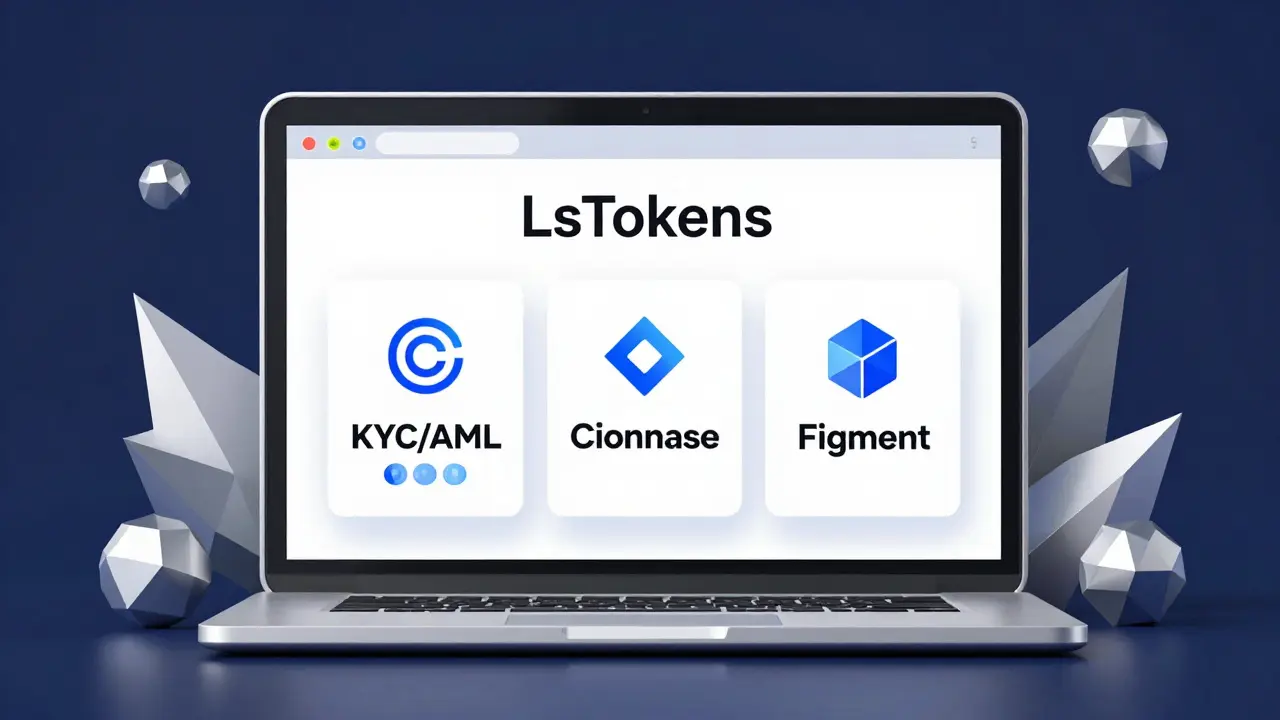
As institutions enter the space, retail-friendly protocols sometimes fall short on compliance needs. Enter Liquid Collective, which is an enterprise-grade liquid staking standard co-founded by Coinbase and Figment. They introduced LsTokens, which are multi-chain liquid staking tokens designed for institutional use.
LsTokens aim to solve fragmentation. Instead of having different LSTs for Ethereum, Solana, or Cosmos that don't talk to each other, LsTokens provide a unified standard. They include built-in KYC/AML capabilities and robust reporting tools. For regular users, this signals maturity. As infrastructure improves, cross-chain liquidity deepens, making it easier to move value between ecosystems without losing yield.
Practical Steps for Users in 2026
If you want to start using liquid staking today, follow these steps:
- Choose a Protocol: Stick to established players with high Total Value Locked (TVL) and a history of security. Lido, Rocket Pool, and Frax are current leaders. Check their audit reports.
- Verify Wallet Compatibility: Ensure your wallet (MetaMask, Phantom, etc.) correctly displays the LST balance and value. Some older wallets struggle with cToken models where the balance doesn't change visually.
- Start Small: Test the minting and burning process with a small amount before committing significant capital.
- Monitor Gas Fees: On networks like Ethereum, interaction costs matter. Batch your transactions if possible.
- Diversify Yield Sources: Don't just hold the LST. Explore lending platforms that accept it as collateral to maximize returns, but keep a safety margin to avoid liquidation.
Future Outlook
The landscape is shifting toward standardization. We are seeing more integration between Layer 2 solutions and liquid staking. Rollups now accept LSTs as gas tokens or collateral, further embedding them into the tech stack. Additionally, regulatory clarity around whether LSTs are securities or commodities will likely shape which protocols thrive in regulated jurisdictions. For now, the trend is clear: capital efficiency is king, and liquid staking is the primary vehicle delivering it.
What is the difference between staking and liquid staking?
In traditional staking, your assets are locked and inaccessible until you unstake, which can take days. In liquid staking, you receive a tradable token (LST) representing your stake. You can trade, lend, or use this LST in DeFi while still earning staking rewards on the underlying asset.
Are Liquid Staking Tokens safe?
They carry additional risks compared to direct staking, primarily smart contract risk and centralization concerns. While the underlying staking risk remains, you add the risk of the protocol managing the LST. Always choose audited, reputable protocols and diversify your exposure.
Can I lose money with liquid staking?
Yes. Risks include smart contract hacks, validator slashing (if not insured by the protocol), and depegging events where the LST trades below the value of the underlying asset. Market volatility also affects the USD value of your holdings.
What is DeFi composability?
Composability refers to the ability of DeFi protocols to work together. Like Lego bricks, one protocol's output (like an LST) can become another protocol's input (like collateral on Aave). This allows users to create complex financial strategies from simple building blocks.
Do I need a lot of ETH to use liquid staking?
No. One of the main benefits of liquid staking is democratization. Protocols pool user funds to meet validator minimums. You can often start with less than 0.01 ETH, whereas direct staking typically requires 32 ETH.
What are LsTokens?
LsTokens are a new standard for liquid staking tokens developed by Liquid Collective (including Coinbase and Figment). They are designed for institutional use, featuring multi-chain compatibility and built-in compliance features like KYC/AML tracking.