
KAKA NFT World (KAKA) Airdrop: Complete Guide & Token Details
Most people looking for KAKA airdrop opportunities are chasing free tokens, but the reality of the KAKA NFT World ecosystem is more complex than a simple click-and-collect. Before you spend time on this project, you need to understand that the current market state is unusual: the token price sits at $0.00 with zero trading volume on major trackers like CoinMarketCap and Bitget. This doesn't mean the project is dead, but it does mean the "free money" angle comes with significant liquidity risks. Here is what you actually need to know about how the distribution works, where the tokens come from, and whether it's worth your effort in 2026.
What Is KAKA NFT World?
KAKA NFT World is a competitive gaming ecosystem platform that combines NFTs and DeFi applications within a metaverse structure. The project aims to create a cross-chain bridge based on global decentralization, integrating various brand IPs and establishing Decentralized Autonomous Management (DAO) structures. It operates primarily in two sectors: providing R&D, sales, and trading services for game and art NFTs, and running prediction markets specifically for e-sports.
There is some confusion in the community regarding the underlying technology. Some sources list the project under the BNB Chain ecosystem, while others specify the Solana blockchain. This discrepancy is important because it affects where you can buy or sell the token. Currently, the smart contract address 0x26a1...d13a8a is available for public verification, which helps confirm the token's legitimacy on the chain it actually resides on.
Token Supply and Distribution Breakdown
Understanding the tokenomics is crucial before participating in any airdrop. There are conflicting reports on the total supply, so here is the most detailed breakdown available:
- Total Supply Model A (CoinMarketCap): 100 million KAKA tokens. Circulating supply is reported at 5.5 million.
- Total Supply Model B (Alternative Sources): 1 billion KAKA tokens. This model indicates the liquidity pool has been burned and the contract renounced, meaning developers no longer control the token contract.
If we look at the larger 1-billion-token model, the distribution is heavily weighted toward the community:
| Category | Percentage | Amount (Tokens) |
|---|---|---|
| Mining & Airdrops | 59% | 590,000,000 |
| Investment Institutions | 25% | 250,000,000 |
| Team | 15% | 150,000,000 |
| Initial DEX Offering (IDO) | 1% | 10,000,000 |
The fact that nearly 60% of the supply is designated for mining and airdrops suggests a strong focus on community engagement. However, "renounced contract" status means that while it signals decentralization, it also means there is no central authority to fix bugs or adjust protocols if something goes wrong.
How the Airdrop Mechanism Works
The KAKA airdrop isn't a one-time event; it's an ongoing system with multiple channels. You don't just sign up once and wait. Instead, you participate in challenges and promotions through official channels to earn rewards that convert directly into KAKA tokens.
- Mystery Box Distributions: This is the core component. Users receive Mystery Box airdrops periodically from the official website. The value inside varies, but the project claims that participants might recover their initial investment (if they paid for entry fees or gas) within three to four boxes.
- Minigame Rewards: The platform distributes mining rewards through its website, often containing various popular cryptocurrency tokens alongside KAKA.
- NFT Holder Privileges: If you hold specific KAKA-rabbit NFTs, you get priority access to card game experiences and enhanced user rights. These holders may receive competitive advantages in upcoming battles, which can translate to higher airdrop yields.
It’s important to note that all rewards earned through these programs are convertible to KAKA tokens. This flexibility allows you to choose whether to hold the native asset or swap it for other cryptocurrencies if the market conditions change.
The KAKA-Rabbit NFT Connection
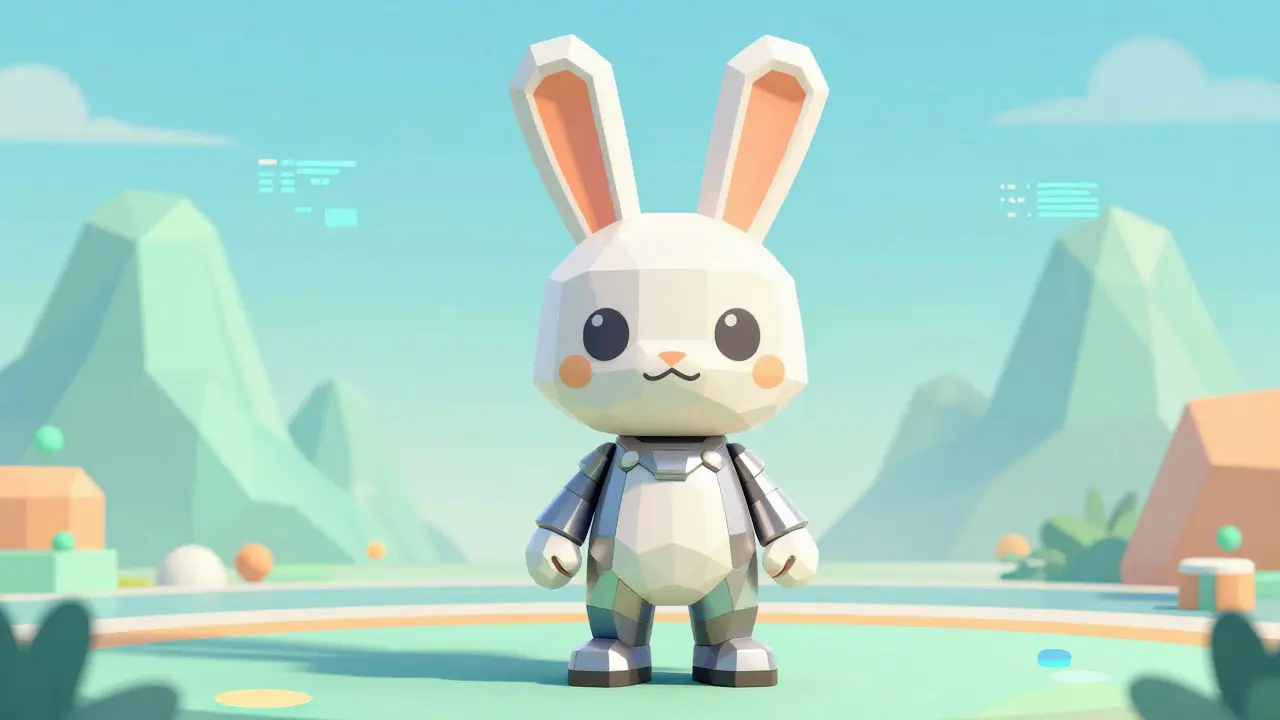
You can’t talk about the KAKA airdrop without mentioning the KAKA-rabbit collection. These NFTs serve as profile picture assets for Twitter users and act as symbols of community participation. Unlike generic computer-generated avatars, each of the 10,000 limited pieces features completely independent, hand-drawn designs created by famous CG artists and game designers worldwide.
Each image is manually designed with unique artistic value, and only one matching NFT is issued per design. A notable collaboration between KAKA and Binance resulted in 20 exclusive pieces being sold on the Binance NFT marketplace. Holding these NFTs isn't just about flexing on social media; it grants tangible benefits within the ecosystem, such as priority access to new games and potentially higher airdrop allocations.
Current Market Status and Risks
Here is the part many guides skip: the current market performance. As of August 2026, both Bitget and CoinMarketCap report the live KAKA NFT World price at $0.00 USD. The 24-hour trading volume is also $0.00, with 0.00% movement.
Why is this happening? Price prediction services like CoinCodex acknowledge that their algorithms require several hours of historical trading data to generate forecasts. Since KAKA lacks sufficient historical data, accurate predictions for 2025, 2026, or beyond are impossible. This zero-volume state could indicate three things:
- The project is in a development phase where trading hasn't fully opened yet.
- There are technical difficulties preventing normal market operations.
- Liquidity is extremely low, making it hard to sell tokens without crashing the price.
Despite this, the community rating on CoinMarketCap stands at 4.4 out of 5 based on 100 ratings. This suggests that those who are involved believe in the long-term vision, even if the short-term trading environment is stagnant.
Where to Access KAKA Tokens
User accessibility varies across platforms. Bitget provides comprehensive purchasing options for KAKA NFT World tokens in multiple regions. To get started, you typically need to:
- Create a free account on the exchange.
- Complete the verification process (KYC).
- Utilize conversion services to exchange KAKA to USD or vice versa.
However, given the current zero volume, buying large amounts might be difficult. Most participants enter via the airdrop routes rather than direct purchase. Always verify the contract address on the blockchain explorer before sending any funds, especially since there are conflicting reports about the blockchain network (BNB vs. Solana).
Frequently Asked Questions
Is the KAKA airdrop still active in 2026?
Yes, the airdrop program is described as an ongoing mechanism involving periodic Mystery Box distributions and minigame rewards. However, due to the current zero trading volume, the immediate monetary value of these rewards is difficult to assess until liquidity returns.
Which blockchain does KAKA operate on?
Sources conflict on this. Some list it under the BNB Chain ecosystem, while others specify Solana. You should check the official website or the verified smart contract address on a block explorer to confirm the correct network before interacting with the token.
Do I need to buy KAKA-rabbit NFTs to get airdrops?
No, you don't strictly need them to participate in basic airdrops. However, holding KAKA-rabbit NFTs grants priority access to card games and enhanced user rights, which can lead to better rewards and competitive advantages in the ecosystem.
Why is the KAKA price $0.00?
The price shows as $0.00 with zero volume likely due to inactive trading, extreme low liquidity, or the project being in a pre-market development phase. Prediction algorithms cannot forecast prices without sufficient historical trading data.
What happens if the contract is renounced?
A renounced contract means the developers have given up control over the token code. This is generally seen as a positive sign of decentralization and commitment, but it also means there is no central team to make urgent protocol adjustments or fixes if issues arise.
Mike Baca
August 19, 2026 AT 08:26It is a profound paradox that we chase digital ghosts in the hope of finding material value. The concept of 'free' money in a zero-liquidity market is an oxymoron that haunts the optimistic soul. We are essentially participating in a collective hallucination of potential, where the only tangible thing is the time we spend clicking buttons. Yet, there is beauty in the chaos, isn't there? The uncertainty is the spice of life. I believe this project is less about the token and more about the journey of our own financial naivety. It mirrors the human condition: we want rewards without risk, comfort without effort. Perhaps the KAKA rabbit is just a mirror for our own desires. Let us embrace the absurdity with open arms. The void stares back, but it winks. This is not investment; it is art. A very confusing, expensive piece of digital art.
Leah Humphrey
August 19, 2026 AT 14:28The TVL metrics are nonexistent which suggests a complete lack of organic demand for the asset class. The liquidity pool burn mentioned in the tokenomics is a red flag for exit liquidity constraints rather than decentralization. Without a sustainable yield mechanism or staking APR, the HODL thesis falls apart under basic fundamental analysis. It’s just another memecoin wrapper around a defunct gaming ecosystem.
Rod Sidoroff
August 20, 2026 AT 19:36You are all missing the point entirely. This is not for the common plebeian who chases pennies. The true connoisseur understands that renounced contracts are the purest form of freedom from corporate tyranny. The fact that the price is zero is merely a canvas waiting for the visionaries to paint their wealth upon it. Do not let your short-term thinking cloud your grand strategy. The elite know that value is subjective and created by belief, not by some algorithmic ticker. Sit down, shut up, and observe the masters at work. You will learn nothing by asking questions.
Jay Johhnston
August 22, 2026 AT 05:42I think the cross-chain aspect is actually quite interesting from a utility standpoint. It bridges two major ecosystems which could be a strong selling point if they ever get off the ground. The hand-drawn NFTs add a nice personal touch too. It feels like a community-driven effort which is always encouraging to see.
Niall O'Rourke
August 22, 2026 AT 22:58oh really so its worth something then? i thought it was just vaporware like everything else on solana these days. but sure keep telling yourself its a revolution while the chart stays flat. classic. anyway good luck holding the bag until the heat death of the universe
Jillian Groskreutz
August 24, 2026 AT 02:18Let’s dissect this carcass properly! The claim of 'recovering investment in 3-4 boxes' is statistically improbable given the variance in mystery box mechanics. It’s a classic retention loop designed to bleed users via gas fees while promising phantom returns. The 'Mystery Box' is just a Skinner box for degens. If the CAGR doesn't justify the opportunity cost of capital, why not just buy BTC? The alpha here is negative unless you have insider info on the next unlock schedule. Don’t be a sucker for the shiny object syndrome!
Stephanie Millar
August 24, 2026 AT 15:04Hello everyone, it is lovely to see such diverse perspectives on this topic. I personally find the artistic angle of the KAKA-rabbit collection quite charming, as it adds a layer of cultural value beyond just the speculative trading aspect. It reminds me of how traditional collectibles have always held sentimental worth independent of their market price. Perhaps we should appreciate the craftsmanship involved in those 10,000 unique pieces. It is a nice reminder that not everything in crypto needs to be purely utilitarian. Wishing you all the best with your research!
Nikki keller
August 25, 2026 AT 03:30To view this through a philosophical lens, the zero price might represent a state of pure potential, unburdened by the weight of historical data. However, practically speaking, one must weigh the risk of illiquidity against the reward of early adoption. It is a delicate balance between faith and skepticism. We must remain respectful of those who choose to wait for clearer signals. There is no shame in patience, nor in boldness. Let us support each other in navigating these uncertain waters with grace and caution.
Kiran Jayaram
August 26, 2026 AT 20:19stop crying about the volume bro its pre-market thats what they said right? you guys are so scared of missing out you cant even read the fine print. if you dont have guts to bet on zero volume you dont belong in crypto. facepalm emoji would be appropriate here but i am too busy analyzing the real alpha. wake up sheeple
Uday N M
August 27, 2026 AT 04:29India has many better projects. Why waste time on this? We should focus on our own domestic blockchain initiatives. This looks like a foreign scam targeting global tourists. Stick to what you know.
Melissa G
August 27, 2026 AT 19:37The distinction between BNB Chain and Solana deployment is a critical technical detail that often gets overlooked in casual discussions. From a cultural perspective, the collaboration with Binance NFT marketplace lends a certain legitimacy to the project's initial launch phase. It suggests a level of institutional vetting that smaller, isolated projects rarely achieve. While the current market silence is concerning, the foundational partnerships indicate a structured approach to growth. One must consider the long-term implications of such alliances when evaluating any decentralized autonomous organization. The hand-drawn nature of the assets also speaks to a commitment to quality over quantity, a principle that resonates deeply within the broader art world. It is a nuanced position that requires careful consideration of both technological infrastructure and aesthetic merit.
Patrick Pat
August 28, 2026 AT 02:56So, the contract is renounced, meaning if the bridge breaks, we're all swimming naked in the code, eh? Brilliant plan. Just brilliant. I suppose the DAO will vote on whether to fix the bug or just let the whole thing collapse into the void. Very democratic of them. Can't wait to watch the community panic when the liquidity dries up completely. Oh wait, it already did. Cheers to that.
Claudio Perrone
August 28, 2026 AT 12:31OMG did you guys notice the rabbit eyes in the logo? They are watching us. Always watching. I feel like the airdrop is actually a test to see who is worthy of the meta verse. My cousin says its a rug pull but he is a hater. I am going to buy all the NFTs before they go up. This is my destiny. The rabbits chose me. Dont ask questions just follow the white rabbit.
Aaron Morrissey
August 29, 2026 AT 20:58One must acknowledge the sheer audacity required to launch a metaverse platform in a market that has largely moved past the hype cycle of 2021. It is a bold, perhaps even reckless, endeavor that challenges the conventional wisdom of prudent investment. The integration of e-sports prediction markets offers a tantalizing glimpse into a future where entertainment and finance merge seamlessly. Yet, the absence of liquidity remains a formidable barrier to entry for serious investors. Nevertheless, the spirit of innovation drives us forward, even into the unknown depths of zero-volume exchanges. May the forces of decentralization guide our hands as we navigate this turbulent landscape.
Patrick Quairoli
August 31, 2026 AT 11:37you guys are all being played by the whales. the contract address is fake. check the explorer carefully. the team is draining the liquidity pool tonight. i saw a post on telegram saying the dev wallet moved 50k eth yesterday. its a setup. sell now or cry later. trust me i have seen this movie before. the end is near. run while you can.
Zothana Pachuau
August 31, 2026 AT 20:11Look, don't get too hung up on the charts, mate. Sometimes the best plays are the quiet ones. If you believe in the team, hold tight. But do your homework first, yeah? No pressure, just friendly advice. Keep your head in the game and maybe you'll hit the jackpot. Or maybe not. That's the fun part, innit?
Mike Baca
September 2, 2026 AT 06:10Your cynicism is refreshing, yet it lacks the poetic nuance of true existential dread. The 'zero' is not empty; it is full of possibility. You see a dead chart; I see a sleeping dragon. Perhaps we are both wrong, and it is simply a glitch in the matrix. But who can say for certain? The rabbit knows. Follow the rabbit.