
Indonesia Crypto Regulations 2026: From Commodity to Digital Financial Asset

For years, if you traded cryptocurrency in Indonesia, you were technically buying a commodity. You treated Bitcoin or Ethereum like gold or coffee beans-valuable goods you could buy and sell, but not money you could spend at the supermarket. That era ended abruptly on January 10, 2025.
The regulatory landscape for cryptocurrency is a digital asset that has undergone a major legal reclassification in Indonesia from a tradable commodity to a regulated digital financial asset under the oversight of the Financial Services Authority (OJK) has shifted dramatically. The country moved away from treating these assets as mere commodities overseen by the Commodity Futures Trading Regulatory Agency is the former regulator known as BAPPEBTI which previously supervised crypto trading as commodity futures before losing authority to OJK in 2025 (BAPPEBTI) and placed them firmly under the jurisdiction of the Financial Services Authority is the Indonesian government agency known as OJK which now regulates cryptocurrencies as digital financial assets with strict capital and compliance requirements (OJK). This wasn't just a bureaucratic shuffle; it fundamentally changed how businesses operate, how taxes are calculated, and what rights investors hold.
Why the Shift from Commodity to Financial Asset?
To understand where we are in 2026, you have to look at why the change happened. Under the old system, crypto was a "commodity." This meant regulators focused on the physical delivery of goods logic. But crypto doesn't work like that. It’s digital, borderless, and highly volatile. Treating it like a sack of rice created loopholes for fraud and left consumers without proper financial protections.
The catalyst was Law No. 4 of 2023 is the foundational legislation regarding the Development and Strengthening of the Financial Sector which legally authorized the transfer of crypto regulation from BAPPEBTI to OJK. Enacted in early 2023, this law laid the groundwork for recognizing digital assets as part of the formal financial sector. By January 2025, when the transition took effect, the goal was clear: integrate crypto into the mainstream economy while tightening the screws on security and transparency.
This shift addresses a critical gap. When crypto was a commodity, consumer protection was weak. Now, as a digital financial asset is the new legal classification for cryptocurrencies in Indonesia which subjects them to stricter financial regulations, capital requirements, and investor protection standards compared to traditional commodities, platforms must adhere to rigorous standards similar to banks and stock exchanges. For you, the user, this means your funds are theoretically safer, but it also means fewer shady platforms can operate.
The New Rules for Exchanges: High Barriers to Entry
If you run a crypto exchange in Indonesia, the game has changed completely. The days of starting a platform with minimal capital and loose rules are over. Under OJK Regulation No. 27 of 2024 is the detailed operational rulebook issued in December 2024 that sets strict capital, licensing, and reporting requirements for all digital financial asset trading operators in Indonesia, the requirements are steep.
Here is what it takes to stay in business:
- Minimum Paid-Up Capital: You need IDR 100 billion (roughly $6 million USD depending on exchange rates) just to get started.
- Minimum Equity: You must maintain an equity buffer of IDR 50 billion at all times.
- Clean Money Only: Your capital cannot come from sources linked to money laundering or terrorism financing.
- Licensing: Every operator needs a specific license from OJK. No more operating under general commodity permits.
These numbers are designed to weed out small, unstable players. If a platform runs into trouble, they need deep pockets to cover losses and protect users. OJK also reserves the right to demand even more capital if a firm becomes systemically important. This creates a market dominated by larger, well-funded entities, which reduces risk for retail investors but increases consolidation in the industry.
| Feature | Pre-2025 (BAPPEBTI Era) | Post-2025 (OJK Era) |
|---|---|---|
| Regulator | BAPPEBTI (Commodity Futures) | OJK (Financial Services) |
| Asset Classification | Tradable Commodity | Digital Financial Asset |
| VAT Status | Subject to VAT (11%) | No VAT on transfers |
| Capital Requirement | Lower thresholds | IDR 100 Billion paid-up |
| Payment Use | Illegal | Still Illegal |
Tax Changes: Goodbye VAT, Hello Clarity
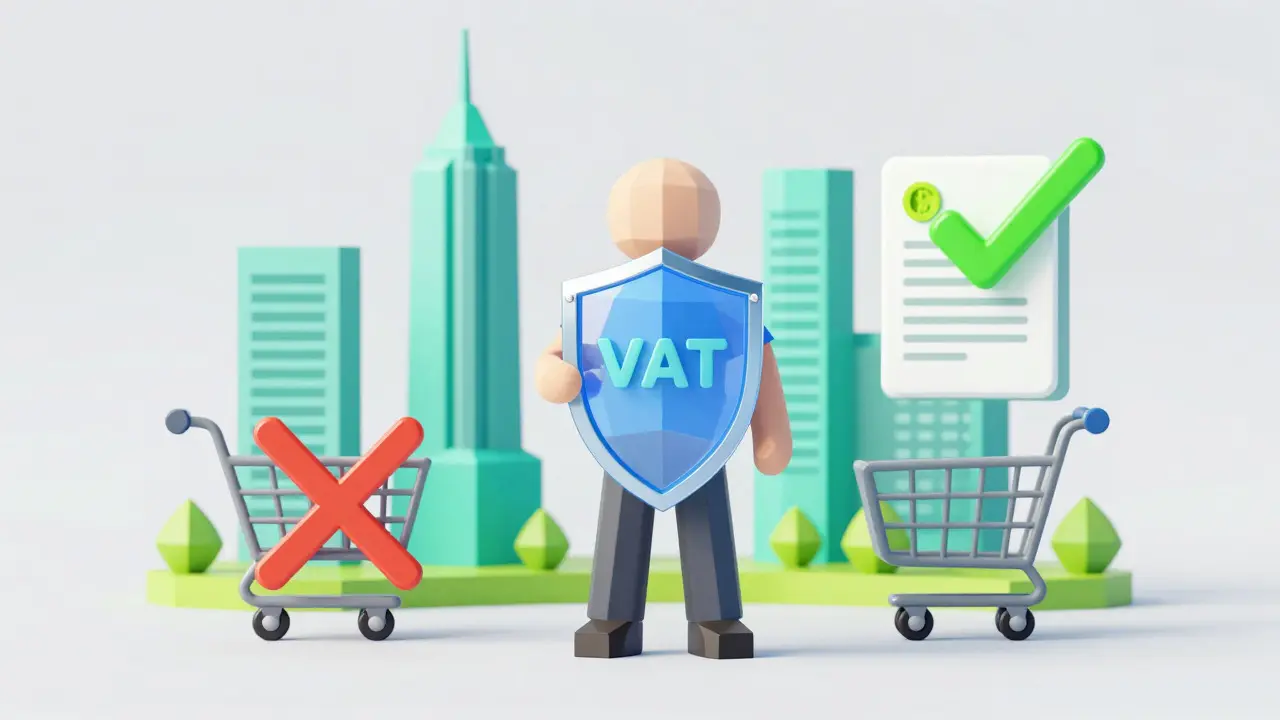
One of the most significant changes for traders happened in August 2025 with the introduction of Minister of Finance Regulation No. 50 of 2025 is known as PMK 50, this regulation eliminated Value Added Tax (VAT) on cryptocurrency transactions and established new income tax rules for digital financial assets (PMK 50). Before this, every time you bought or sold crypto, you paid Value Added Tax (VAT) because it was considered a delivery of intangible goods. This made trading expensive and complicated.
Under PMK 50, the transfer of crypto assets is no longer subject to VAT. Why? Because the government now views crypto as part of the financial sector, much like stocks or bonds. Transferring shares doesn't incur VAT, so neither should transferring Bitcoin. This simplifies accounting for both individuals and businesses.
However, don't think you're off the hook entirely. Income tax still applies. When you realize a profit from selling your digital assets, that gain is taxable. The new framework aims to provide legal certainty, ensuring that tax authorities treat crypto profits consistently with other financial investments. This alignment with global standards makes Indonesia more attractive for institutional investors who prefer clear tax codes over ambiguous commodity rules.

What Can You Actually Do With Crypto?
Despite the massive overhaul, one thing remains stubbornly unchanged: you still cannot use cryptocurrency to pay for groceries, rent, or services in Indonesia. Bank Indonesia (BI) maintains a strict prohibition on using crypto as a medium of exchange. It is strictly an investment vehicle.
This dual status-legal to trade, illegal to spend-is a key constraint. If you try to use Bitcoin to buy a laptop, the merchant risks penalties, and you risk having the transaction flagged. The regulatory focus is purely on investment and speculation within a controlled environment. This distinction protects the national currency (Rupiah) from volatility while allowing citizens to participate in the global digital asset economy.
There is ongoing debate about stablecoins. Industry advocates argue that stablecoins pegged to the Rupiah or USD could serve as efficient payment rails without threatening monetary policy. As of 2026, OJK is monitoring this space closely, but no official relaxation of the payment ban has occurred yet. For now, keep your crypto in your wallet or exchange account, not your checkout cart.
Compliance and Security: AML/KYC Requirements
With great power comes great responsibility, and with digital financial assets comes strict surveillance. The new regime places heavy emphasis on Anti-Money Laundering (AML) and Combating the Financing of Terrorism (CFT).
All licensed operators must implement robust Know-Your-Customer (KYC) procedures. While the specific technical steps aren't micromanaged by the law, the outcome is mandatory: every user must be verified. Platforms must report suspicious transactions to PPATK is the Indonesian Financial Transaction Reports and Analysis Center which works with OJK to monitor and detect illicit financial flows in the crypto market (the Financial Transaction Reports and Analysis Center). This collaboration between OJK, BI, and PPATK creates a net that catches bad actors far more effectively than the previous system.
For users, this means signing up for an exchange involves more paperwork. Expect to upload IDs, proof of address, and possibly source-of-funds declarations for large deposits. In return, you get a cleaner market with fewer scams and rug pulls. The whitelist of approved assets, which once ballooned to over 850 tokens under BAPPEBTI, has been scrutinized. Exchanges had to revalidate their listings by April 2025. Any token that didn't meet OJK's quality standards was delisted. This protects you from investing in worthless or fraudulent projects.
Impact on Investors and Businesses
So, what does this mean for you in 2026?
If you are an individual investor, the market is safer but less wild. You won't find obscure meme coins easily available on major exchanges. The platforms you use are backed by significant capital, reducing the risk of the exchange itself collapsing or absconding with funds. Consumer protection mechanisms are stronger, giving you recourse if something goes wrong.
If you are a fintech startup or entrepreneur, the barrier to entry is high. Starting a new exchange requires hundreds of millions of dollars in capital. Many smaller players have merged, partnered with larger firms, or exited the market. However, opportunities exist in ancillary services: custody solutions, compliance tech, and educational platforms that help users navigate the new rules.
The regulatory synergy between agencies is designed to promote stability. OJK handles the financial oversight, BI ensures monetary integrity, and PPATK watches for crime. This triad approach positions Indonesia as having one of the most structured regulatory environments in Southeast Asia. It may feel restrictive compared to offshore havens, but for long-term wealth preservation, structure beats chaos.
Looking Ahead: What Comes Next?
The transition period officially ended in July 2025, but the story isn't over. Regulators are constantly evaluating the impact of these rules. Key areas to watch include:
- Stablecoin Recognition: Will OJK allow regulated stablecoins for payments? This is the biggest pressure point from the industry.
- DeFi Oversight: How will decentralized finance protocols be treated? Currently, they fall into a gray area unless accessed through a licensed gateway.
- Institutional Adoption: With clearer rules, will banks and pension funds start allocating portfolios to crypto? Early signs suggest yes, provided the custody solutions are secure.
For now, the message from Jakarta is clear: crypto is here to stay, but it must play by the rules of the formal financial system. No more wild west tactics. If you want to trade, do it through licensed, capitalized, and compliant platforms. Pay your taxes on gains, verify your identity, and remember-it's an asset, not cash.
Is cryptocurrency legal in Indonesia in 2026?
Yes, cryptocurrency is legal to trade as a digital financial asset. However, it remains illegal to use as a method of payment for goods and services. You can buy, sell, and hold crypto, but you cannot spend it at stores.
Who regulates crypto in Indonesia now?
The Financial Services Authority (OJK) is the primary regulator for cryptocurrencies since January 2025. Previously, the Commodity Futures Trading Regulatory Agency (BAPPEBTI) oversaw crypto as a commodity, but authority was transferred to OJK to align with financial sector standards.
Do I have to pay VAT on crypto transactions?
No. Since August 1, 2025, under Minister of Finance Regulation No. 50 of 2025 (PMK 50), Value Added Tax (VAT) no longer applies to the transfer of crypto assets. However, income tax on profits from sales still applies.
What are the capital requirements for crypto exchanges?
Under OJK Regulation No. 27 of 2024, crypto asset traders must maintain a minimum paid-up capital of IDR 100 billion and a minimum equity of IDR 50 billion. These high thresholds ensure financial stability and consumer protection.
Can I use stablecoins for payments in Indonesia?
Currently, no. All forms of cryptocurrency, including stablecoins, are prohibited as a medium of exchange. Bank Indonesia enforces this ban to protect the Rupiah. While industry groups advocate for change, the restriction remains in place as of 2026.
What happens if I trade on an unlicensed platform?
Trading on unlicensed platforms carries significant risk. These platforms are not subject to OJK's capital and consumer protection rules. If the platform fails or commits fraud, you have little legal recourse. OJK actively monitors and penalizes non-compliant operators, often leading to delisting or shutdowns.
How does OJK enforce AML and KYC rules?
Licensed operators must implement strict KYC procedures to verify user identities. They must also monitor transactions for suspicious activity and report them to PPATK. Failure to comply can result in license revocation, fines, or criminal charges.
Was the whitelist of crypto assets reduced?
Yes. Exchanges were required to revalidate their listed assets by April 2025. Tokens that did not meet OJK's quality and security standards were delisted. This reduced the number of available assets compared to the previous era under BAPPEBTI, prioritizing safety over variety.