
HyperGraph (HGT) Airdrop Guide: Eligibility, Rewards, and How to Claim

Quick Summary: The HGT Airdrop Essentials
Before we get into the weeds, here is the snapshot of what you need to know about the HGT event:
- Token Symbol: HGT
- Purpose: To decentralize the network and reward early liquidity providers.
- Eligibility: Based on historical interaction with the HyperGraph testnet and mainnet.
- Risk Level: Medium (always verify official links).
Who is Eligible for the HGT Tokens?
Not everyone who holds a wallet gets a piece of the pie. Airdrops are usually designed to reward "sticky" users-the people who actually provide value to the network. For the HGT distribution, eligibility typically falls into three main buckets. First, there are the testnet explorers. These are users who interacted with the protocol during its early stages, bridging assets or testing smart contracts. Second, liquidity providers (LPs) who locked up their funds to ensure the network remained stable. Third, community members who contributed to the governance or documentation.
If you aren't sure if you qualify, don't go searching for "checker" sites on random social media posts. Scammers love to create fake eligibility checkers that ask for your seed phrase. A real checker will only ask for your public wallet address. If a site asks for your private key to "verify" your account, close the tab immediately.
Step-by-Step Process to Claim Your HGT
Claiming an airdrop is usually a straightforward process, but a single mistake can lead to a drained wallet. Follow these steps to ensure your assets land safely in your account:
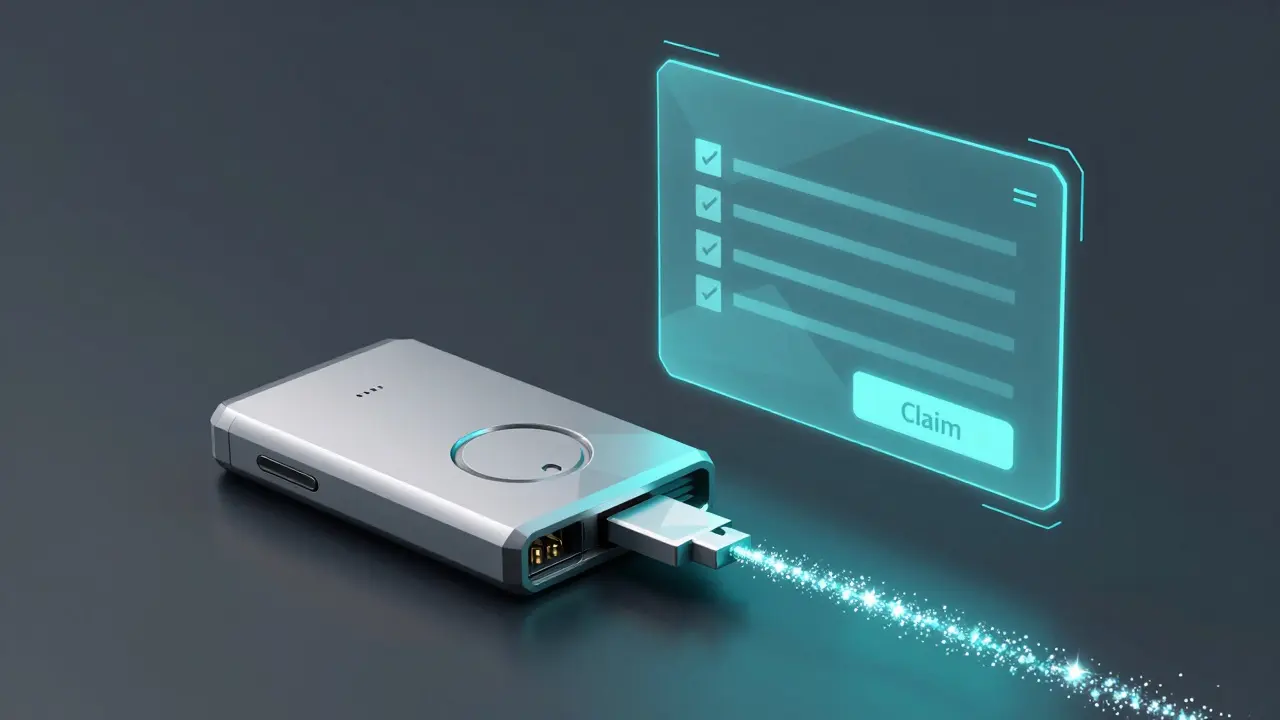
- Connect Your Wallet: Navigate to the official HyperGraph claim portal. Ensure you are using a hardware wallet like Ledger or Trezor for maximum security.
- Verify Eligibility: Enter your public address. The portal should display the amount of HGT allocated to you based on your on-chain activity.
- Sign the Transaction: You will need to sign a claim transaction. Note that while the tokens are free, you will need a small amount of the native network gas token (like ETH or BNB, depending on the chain) to pay for the transaction fee.
- Add Token to Wallet: Your tokens might not show up automatically. You will likely need to manually add the HGT contract address to your wallet (MetaMask or Trust Wallet) to see your balance.
Comparing HGT to Other Major Airdrops
To understand the scale of the HGT event, it helps to look at how it stacks up against other recent distributions. Many people confuse HyperGraph with Hyperliquid, but they are entirely different entities. While Hyperliquid focused on a massive "Genesis Event" with a huge percentage of supply going to points holders, HyperGraph is more focused on ecosystem bootstrapping.
| Project | Primary Eligibility | Distribution Model | Core Goal |
|---|---|---|---|
| HyperGraph (HGT) | Testnet/Mainnet Activity | Direct Claim | Ecosystem Growth |
| Hyperliquid (HYPE) | Points System | Phased Release | Liquidity Depth |
| LayerZero (ZRO) | Cross-chain Volume | Snapshot-based | Interoperability |
Common Pitfalls and Security Warnings
The "free money" aspect of airdrops makes them a prime target for phishing. One of the most common tricks is the "Urgent Claim" email. You might get a message saying your HGT tokens will expire in 24 hours if you don't click a link. Real projects almost never use high-pressure tactics like this. They provide a window of several weeks or months for claims.
Another danger is the "Dusting Attack." This is when scammers send a tiny, worthless amount of a token to thousands of random wallets. When you go to swap that token on a decentralized exchange (DEX) like Uniswap, the smart contract may ask for a permission called "Unlimited Spend Allowance." Once you grant that, the attacker can drain every single token in your wallet. If you see a random token appear in your wallet that you didn't earn via an official airdrop, leave it alone.

Tokenomics and the Value of HGT
An airdrop is only as good as the token's utility. If the token is just a "meme" with no use case, the price will crash the moment the airdrop ends as everyone sells. HGT is designed to be more than that. The token functions as a utility asset within the HyperGraph network, allowing users to pay for transaction fees and participate in governance votes.
When the tokens hit the market, expect high volatility. This is a standard pattern: a massive pump as people get excited, followed by a dump as early adopters cash out. If you believe in the long-term vision of the project, it might make sense to hold a portion of your HGT. If you are just here for the profit, setting a clear exit strategy is the only way to avoid holding a "bag" of worthless tokens.
What to Do After Claiming Your Tokens
Once the HGT is in your wallet, you have a few choices. You can move them to a centralized exchange (CEX) like Binance or Coinbase if they are listed, which is the fastest way to liquidate. Alternatively, you can stake them in the HyperGraph protocol to earn passive rewards. Staking not only helps secure the network but often makes you eligible for *future* airdrops from partner projects.
Regardless of your choice, the first thing you should do is move your tokens from your "hot wallet" (the one connected to the browser) to a "cold wallet" if the amount is significant. The fewer times your main funds are exposed to the internet, the safer they are.
Is the HyperGraph (HGT) airdrop free?
Yes, the tokens themselves are free. However, you must pay a small "gas fee" in the native currency of the blockchain (e.g., ETH, BNB, or MATIC) to process the claim transaction on the network.
What should I do if I didn't receive any HGT tokens?
First, check the official HyperGraph documentation to ensure you met all the eligibility criteria. If you are certain you qualified, double-check that you are using the correct wallet address. If you still see nothing, contact the official support team through their verified Discord or Telegram channels.
How can I tell if a claim site is a scam?
Check the URL carefully for typos (e.g., "HypperGraph" instead of "HyperGraph"). Be wary of sites that ask for your seed phrase or private key. Official sites will only ask you to connect your wallet and sign a transaction.
Can I sell my HGT tokens immediately?
Yes, once the tokens are in your wallet and a trading pair is available on a DEX or CEX, you can sell them. Be mindful of the current market volatility and liquidity to avoid significant price slippage.
Will there be more HyperGraph airdrops in the future?
While not guaranteed, many projects run multiple phases of airdrops to reward different types of users over time. Staying active in the ecosystem and participating in governance is the best way to qualify for potential future rewards.
Jason Davis
April 10, 2026 AT 17:40most peopel forget that you need to actualy add the contract adress to metamask or you'll think your wallet is empty. just copy paste the official one from the docs and you're gud to go
Samson Selleck
April 11, 2026 AT 09:50The propensity for retail participants to succumb to cognitive biases during a distribution event is practically systemic. We are witnessing a classic case of asymmetric information where the liquidity providers leverage their early positioning to exit into a wave of uninformed buyers. The tokenomics described here are rudimentary at best, and the utility claim is a mere veneer for a typical inflationary model designed to maximize the exit liquidity for the venture capital backers before the inevitable decay of the price floor begins.
Amanda Faust
April 11, 2026 AT 20:20everyone knows the testnet requirements were way more strict than this makes it sound
Artavius Edmond
April 13, 2026 AT 04:05honestly just glad to see some clear warnings about the phishing sites. there are so many fake portals floating around on twitter right now so definitely stick to the official links!
Alan Seiden
April 13, 2026 AT 06:15Typical American-centric guide. Why is the focus always on these flimsy digital assets when real industry in Britain is suffering? The sheer laziness of this entire "ecosystem" is an embarrassment to actual financial engineering.
Surender Kumar
April 13, 2026 AT 18:34i hope evryone gets a good amount of tokens! its always lauky when you check the checker and see a big number haha
jennelle williams
April 15, 2026 AT 00:09just stay safe and be kind to each other while we wait
Kelly Cantrell
April 15, 2026 AT 13:58It is funny how they call it "decentralization" when a few developers decide exactly who gets the tokens. I bet the "snapshot" was manipulated to favor insiders. Just another way for the globalists to track our wallet movements under the guise of a reward system. Don't trust the portal blindly.
Jessie Tayaban
April 16, 2026 AT 22:31OMG I ALMOST CLICKED A LINK ON TWITTER AND ALMOST LOST EVERYTHINGGG!!! 😱 thank god for this guide because i was literally about to put my seed phrase in a random site!! my heart is actually pounding right now lol
Akshay Gorad
April 18, 2026 AT 07:16The explanation regarding the difference between HyperGraph and Hyperliquid is very helpful as there is a lot of confusion in the community.
7stargee Emmanuel Obani
April 19, 2026 AT 10:48utility token my foot lol just sell it and run 📉🤡
Rima Dinar
April 19, 2026 AT 14:23If you are feeling overwhelmed by the process of connecting your hardware wallet for the first time, please remember that it is a learning curve for everyone and you should take your time to ensure every step is correct because once a transaction is signed on the blockchain it cannot be reversed, so please double check the URL and your wallet permissions before you click confirm.
Hope Johnson
April 20, 2026 AT 00:44When we consider the ethical implications of these reward systems, we must ask ourselves if the pursuit of temporary financial gain outweighs the communal value of building a truly open network. It is my hope that those who receive these tokens will look beyond the immediate price action and consider how they can use their governance power to foster a more inclusive environment for those who are just starting their journey in the decentralized world, ensuring that the project grows organically and sustainably for all participants regardless of their initial capital.
aletheia wittman
April 21, 2026 AT 02:31i cant believe i missed the snapshot by like two days i am literally screming rn like how does that even happen!!
logan bates
April 23, 2026 AT 01:09Better get the tokens out of the hot wallets and into cold storage fast. Only way to do it in the US if you want to keep your money.
EDOZIEM MICHAEL
April 23, 2026 AT 17:47money is just a dream but a free airdrop is a nice dream indeed
Will Dixon
April 23, 2026 AT 17:57just remember to keep some gas money in there or u cant claim nothing. a lot of new guys forget that part
Agnessa Dale
April 24, 2026 AT 22:50Hopefully the price stays stable enough for everyone to get a fair share!
Chidinma Sandra okafor
April 26, 2026 AT 05:41Oh sure, just trust the "official" portal. I'm sure the devs are just saints who want to give away money for free and not just use us as exit liquidity for their own portfolios. What a wonderful world we live in.
Lauren Abrams
April 27, 2026 AT 02:35does the amount of HGT depend on how many transactions we did on the testnet or is it just a flat rate