
How to Protect Your Crypto: Common Seed Phrase Mistakes to Avoid

At the heart of this is the seed phrase is a human-readable sequence of 12 to 24 randomly generated words that serves as the master cryptographic key to access and recover cryptocurrency assets. Also known as a recovery phrase or mnemonic phrase, it was standardized via BIP-39 to replace complex strings of numbers and letters with simple words. While this makes it easier for us to write down, it also creates specific pitfalls that lead to billions of dollars in permanent losses every year.
The Digital Trap: Why Screenshots are a Death Sentence
One of the most frequent mistakes is treating a seed phrase like a regular password and storing it digitally. You might think a locked note in your phone or a photo in a hidden folder is safe, but it isn't. Many people use iCloud or Google Drive for backups, which opens a massive door for hackers. For example, a common attack involves SIM-swapping, where a criminal steals your phone number to bypass two-factor authentication and gain access to your cloud storage.
Once a hacker finds a screenshot of a seed phrase, they don't need your password or your biometric scan; they have the master key. Security data shows that unprotected digital files are often compromised within just 72 hours of being uploaded if the account is targeted. Even using a password manager is risky. While they are great for Netflix or Amazon, storing a seed phrase in one creates a single point of failure. If the password manager itself is breached, your entire crypto portfolio is exposed instantly.
The Paper Problem and Physical Decay
If you've avoided digital storage, you've probably written your words on a piece of paper. While this is better than a screenshot, standard printer paper is surprisingly fragile. Think about where you store your important documents. Do they get damp? Is there a risk of fire? Or perhaps a simple coffee spill?
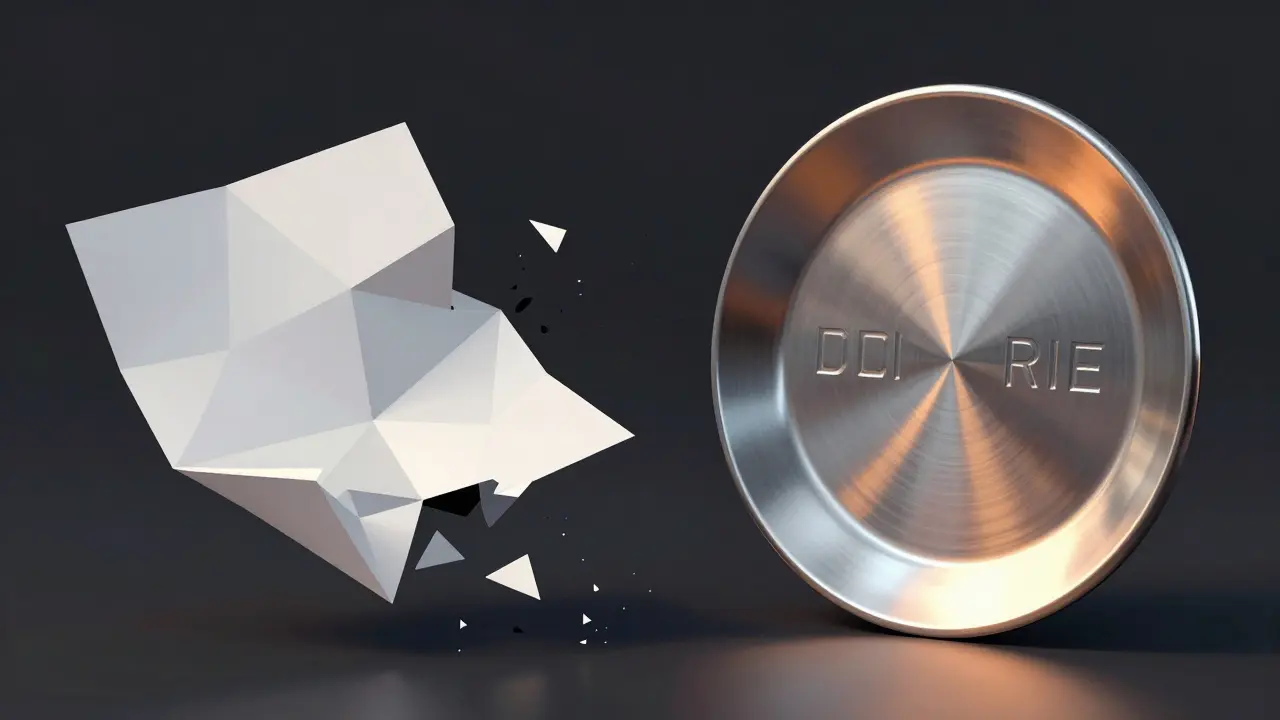
Research shows that untreated paper begins to degrade significantly within 18 months in normal home environments. Over a few years, ink can fade or paper can rot, making a few critical words illegible. If you lose just one or two words, the mathematical possibility of guessing them is low, and if you lose the sequence entirely, the funds are unrecoverable. This is why pros move away from paper and toward stainless steel plates. These are designed to survive house fires (up to 1,200°C) and floods, ensuring the words remain readable for decades.
| Media Type | Durability | Security Level | Common Failure Point |
|---|---|---|---|
| Digital (Cloud/Notes) | Infinite (if backed up) | Very Low | Hacking, Phishing, SIM-Swap |
| Standard Paper | Low | Medium | Fire, Water, Ink Fading |
| Steel/Titanium Plates | Very High | High | Physical Theft |
The 'Set It and Forget It' Fallacy
Many users follow the instructions during wallet setup, write down their words, and then put that paper in a drawer for five years. The biggest mistake here is skipping the restore test. You might think you wrote the words correctly, but human error is incredibly common. A tiny misspelling or a transposed word can make the phrase invalid.
When you enter a seed phrase into a wallet, the system uses a checksum-a mathematical validation-to ensure the words are correct. If you made a typo during the initial setup, you won't know it until you actually try to recover the wallet. If the wallet is already gone and your backup is wrong, you're locked out. The only way to prevent this is to perform a 'test restore.' Send a tiny amount of crypto to your new wallet, wipe the device, and use your seed phrase to see if you can actually get those funds back. If it works, you can safely deposit the rest of your holdings.
Danger Zones: Internet Connectivity and Social Engineering
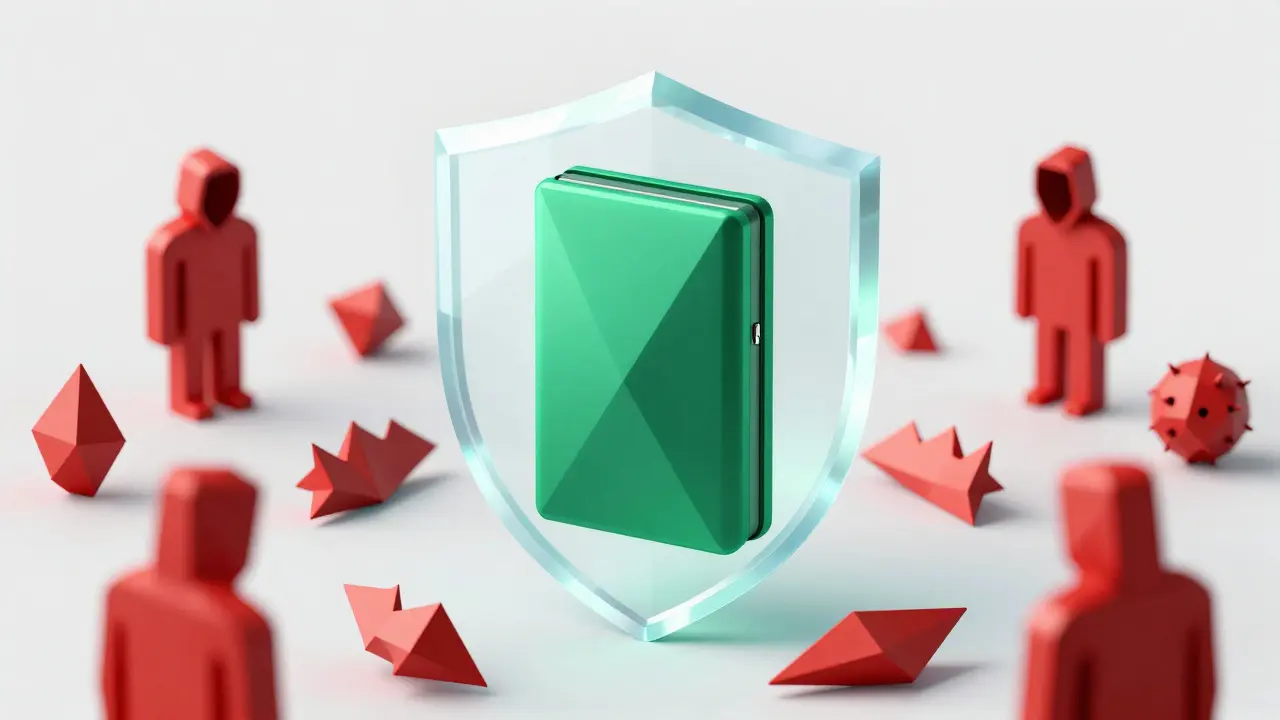
Generating your seed phrase on a device connected to the internet is a gamble. Whether it's a software wallet on a laptop or a mobile app, there's always a risk of keyloggers or malware recording your screen. This is why Hardware Wallets are the gold standard. These devices generate the keys offline (air-gapped), meaning the seed phrase never touches a network-connected environment.
However, even with a hardware wallet, you can be tricked. 'Recovery phrase verification' scams are on the rise. A scammer might pretend to be a support agent from a company like Coinbase or MetaMask, telling you that you need to 'synchronize' or 'verify' your wallet by entering your seed phrase into a website. Remember: no legitimate company, developer, or support agent will ever ask for your seed phrase. If someone asks for it, they are trying to steal your money. Period.
The Hidden Trap: Seed Phrases vs. Passphrases
There is a technical distinction that trips up even experienced users: the difference between a seed phrase and a passphrase. A passphrase is often called a '13th' or '25th' word. Unlike the seed phrase, which is generated by the wallet, a passphrase is something you create yourself to add an extra layer of encryption.
If you enable a passphrase, your seed phrase alone is no longer enough to open your wallet. You need both. The danger is that users often document the seed phrase meticulously but forget to write down the passphrase or forget the exact capitalization. Because the passphrase creates a completely different derivation path, entering the correct seed phrase but the wrong passphrase will lead you to a completely empty wallet, leaving you to panic and believe your funds were stolen.
How to Build a Fail-Safe Recovery Plan
Security isn't about being perfect; it's about removing single points of failure. For those with significant holdings, a single seed phrase is a risk. If you lose it, you're broke; if someone steals it, you're broke. The professional solution is a Multisignature Wallet (Multisig). Instead of one key, a multisig setup requires multiple keys (for example, 3 out of 5) to authorize a transaction.
This approach is a game-changer for inheritance planning. Instead of leaving a single piece of paper for your heirs-which they might lose or not find-you can distribute keys among trusted family members or legal professionals. This ensures that no single person can steal the funds, but the assets can still be recovered by the rightful heirs using a combination of the available keys.
Can I recover my crypto if I lose my seed phrase?
Generally, no. If you are using a non-custodial wallet and lose your seed phrase, there is no central authority to reset it. The only exception is if you still have access to the wallet on a device and can generate a new seed phrase or transfer the funds to a new address.
Is it safe to memorize my seed phrase?
It is very risky. Human memory is not designed to perfectly recall 12 to 24 random words over long periods, especially under stress. A single word out of order or a slight misremembering of a word will make the recovery impossible.
What is the best way to store a seed phrase physically?
The most secure method is using a stainless steel or titanium backup tool. These are resistant to fire, water, and corrosion, unlike paper or plastic, ensuring your recovery words remain intact for decades.
What happens if I mix up the order of the words?
Even swapping two words creates a mathematically different wallet. You will not find your funds in the original wallet because the sequence determines the specific private key generated.
How can I tell if a wallet is BIP-39 compliant?
Most modern hardware and software wallets follow the BIP-39 standard. You can check the technical specifications or documentation of the wallet provider to ensure they use the standard 2,048-word dictionary.
What to do next
If you've been holding your crypto for a while, now is the time for a security audit. Start by checking your backup medium-if it's on a sticky note or a piece of notebook paper, upgrade to a steel plate immediately. Next, perform a test restore with a small amount of funds to ensure your transcription is 100% accurate. Finally, if your portfolio has grown significantly, look into a multisig configuration to eliminate the risk of a single point of failure.
Kathleen Bergin
April 24, 2026 AT 17:40Everyone knows you just need a hardware wallet and you're basically set.
Yvette P
April 25, 2026 AT 19:17Oh, honey, imagine thinking a basic Ledger is a magic shield without understanding the actual derivation paths and the BIP-39 standard. Some of you really treat your seed phrases like a game of Mad Libs while the actual entropy is just screaming in the background. If you're not using a multisig setup with a distributed trust model, you're essentially just playing roulette with your life savings, but please, continue believing that a piece of plastic from a company in France is the peak of cryptographic security. It's absolutely adorable how people think 'offline' means 'invincible' when social engineering can still gut your portfolio in five minutes flat. Honestly, the sheer level of complacency in the retail space is a masterclass in cognitive dissonance, and I'm just here for the fireworks when the next great 'forgot my passphrase' tragedy hits the forums. Go ahead and stick your seed on a piece of paper and hope the humidity doesn't eat it, because clearly, basic physics doesn't apply to your 'diamond hands' logic.
Jason M
April 27, 2026 AT 02:56Wait, the part about the test restore is ABSOLUTELY CRITICAL! I cannot emphasize this enough! I have seen so many people absolutely devastated because they wrote one word wrong and thought they were safe for years! PLEASE, for the love of everything, wipe your device and try to recover a small amount first!
Ellie Drews
April 28, 2026 AT 10:18That's a really great point about the test restore, it just gives you such peace of mind knowing it actually works before you move everything over.
Mike Krasner
April 29, 2026 AT 06:02steel plates are for paranoid people lol just put it in a safe and stop worrying
Paige Raulerson
April 29, 2026 AT 12:42Typical. Some people just don't have the foresight to appreciate actual archival quality storage. It's almost quaint that some think a 'safe' is enough when fire melts standard locks.
Alex Hunter
May 1, 2026 AT 04:20It's all about finding the balance that works for your specific risk tolerance. Some people prefer the simplicity of paper, and others need the robustness of steel. The main thing is just being consistent with your backup strategy.
Jagdish Sutar
May 2, 2026 AT 05:23This is very helpful advice for newcomers. In my community, we always emphasize that the responsibility of your own keys is the biggest lesson in the world of decentralized finance.
Candace Sherrard
May 3, 2026 AT 18:47It's interesting how we've moved from physical gold in vaults to these strings of words that represent value, and yet the fundamental human anxiety of losing one's hoard remains exactly the same as it was thousands of years ago. We've just traded heavy metals for mathematical certainty, which in a way is a more fragile form of existence because you can't exactly touch a seed phrase to feel its weight.
Sarah Ingrams
May 5, 2026 AT 17:05so scary thinking about just losing a few words and everything being gone
Liz Ariza
May 6, 2026 AT 19:52Oh no! 😱 But that's why we have those sparkly steel plates! ✨ They make your security feel like a futuristic treasure chest! 💎 Keep those keys safe and cozy! 🌈
Jennifer L
May 8, 2026 AT 15:30I am most deeply concerned about the sim swapping mention, it is truly a horiffic way to lose your hard earned funds. One must be very vigillante about their telecomm provider security settings!