
Hero Arena (HERA) Airdrop Guide: How to Claim & Token Details
Did you know that the Hero Arena project raised $1.25 million across six funding rounds before its main airdrop campaign distributed 300,000 HERA tokens to early community members? If you missed the initial hype or are wondering if there’s still money on the table, you’re in the right place. This isn’t just about free coins; it’s about understanding how a DOTA-inspired blockchain RPG builds its economy through skilled gameplay and strategic token distribution.
Many players assume airdrops are endless giveaways, but for Hero Arena, the primary distribution phase has largely concluded. The real value now lies in understanding the tokenomics and whether the current market conditions make acquiring HERA worthwhile compared to waiting for future events. Let’s break down exactly what happened, what you might have missed, and where the project stands today as of September 2026.
What Exactly Is Hero Arena?
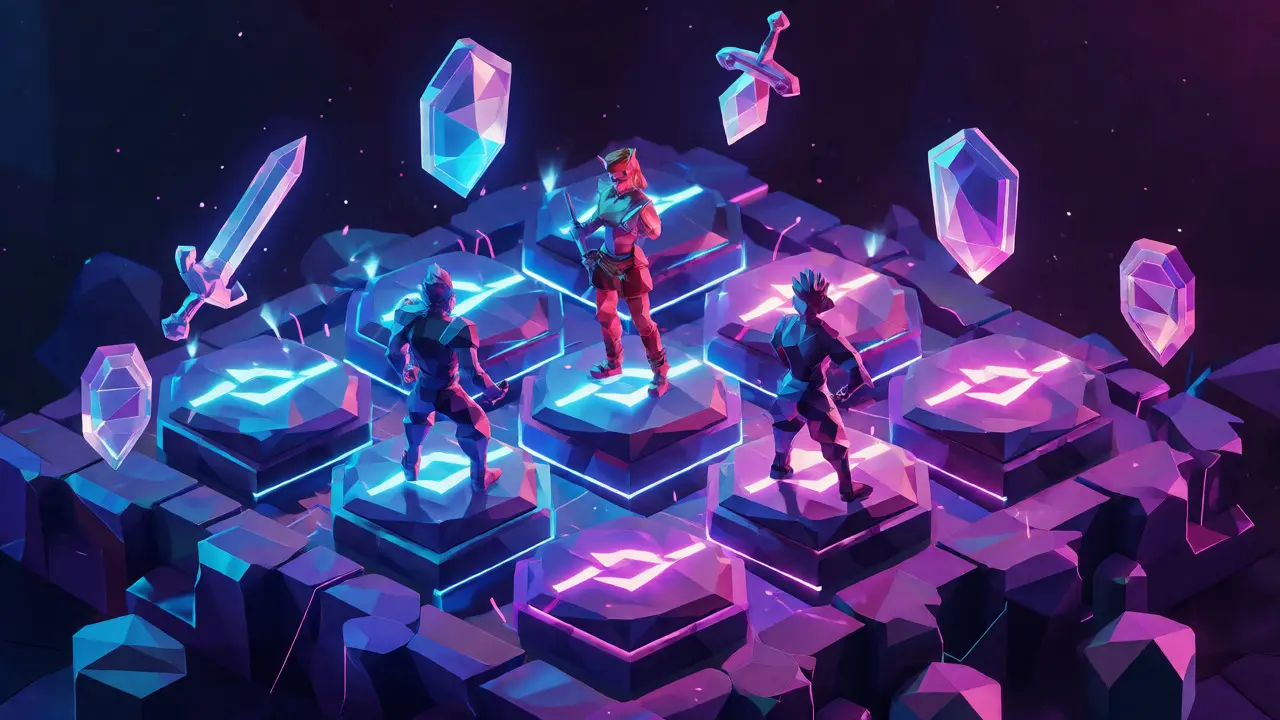
Hero Arena is a play-to-earn blockchain metaverse RPG built on both Binance Smart Chain and Polygon networks. It draws heavy inspiration from MOBA games like DOTA, allowing players to recruit, train, and battle heroes using NFTs. Unlike traditional games where your progress stays on a server, here, your assets are yours. You can trade them, sell them, and use the HERA token to enhance your characters.
The core loop involves three distinct hero classes, each with unique strengths. You level them up, equip them with NFT items, and compete. To participate, you need at least one Hero NFT, which you buy from the marketplace using HERA. This creates a direct link between the token’s utility and player engagement. If people stop playing, they stop buying NFTs, which impacts token demand.
The Main HERO Airdrop Campaign Breakdown
The flagship airdrop was massive by GameFi standards. It featured a prize pool of 300,000 HERA tokens split among 1,000 winners. That means each lucky participant received 300 HERA. But the incentives didn’t stop there. The top 50 referrers could earn up to 5,000 HERA each, turning social media hustle into serious crypto rewards.
Participation wasn’t automatic. Users had to jump through specific hoops on Gleam.io:
- Follow @HeroArena_Hera on Twitter.
- Join the official Telegram Channel and Group.
- Complete all assigned social tasks.
- Submit a valid BEP-20 wallet address.
This structure filtered out bots and ensured recipients were actually engaged with the community. However, this specific campaign is closed. If you didn’t submit your wallet during the active window, those 300 tokens aren’t coming back retroactively.
MEXC Exchange Kickstarter Details
Beyond the social airdrop, Hero Arena ran a significant campaign on MEXC exchange. This involved a Kickstarter session where users voted with MX tokens to secure listing opportunities. The reward pool was 40,000 HERA tokens, valued at a reference price of $1.10 per token at the time.
Users contributed over 20 million MX tokens to vote. This mechanism served two purposes: it locked liquidity on the exchange and gauged genuine interest from the trading community rather than just gamers. While this campaign also concluded, it highlights how exchanges partner with GameFi projects to bootstrap liquidity and visibility.
| Campaign Type | Reward Pool | Winners | Status |
|---|---|---|---|
| Social Media Airdrop | 300,000 HERA | 1,000 | Closed |
| Referral Bonus | Up to 5,000 HERA | Top 50 | Closed |
| MEXC Kickstarter | 40,000 HERA | Voters | Concluded |
HERA Token Economics and Market Reality
Understanding the token supply is crucial for evaluating any airdrop’s long-term value. HERA operates as a BEP-20 token with a maximum supply of 100 million. As of late 2026, the circulating supply sits around 4.45 million. This low circulation relative to max supply suggests potential inflationary pressure as vesting schedules unlock more tokens.
Here’s the hard truth: the price has fluctuated significantly. During the MEXC campaign, the reference price was $1.10. Recent data shows HERA trading near $0.000158 with a 24-hour volume of roughly $2,400. This represents a steep decline from early valuations. Why? Likely due to increased circulating supply post-TGE and reduced speculative fervor in the broader GameFi sector.
The token distribution model included 30% unlocked at the Token Generation Event (TGE), with other portions vested over 10 months. Early investors and team members had longer lock-ups, protecting retail buyers from immediate dump pressure, but the gradual release of tokens inevitably dilutes price if demand doesn’t keep pace.
Investor Backing and Project Credibility
Is Hero Arena a scam or a legitimate project? The backing tells part of the story. They secured funding from entities like AU21 Capital, x21 Digital, Magnus Capital, and ExNetwork Capital. These are recognized names in the blockchain venture space, though not necessarily Tier 1 giants. Their involvement suggests institutional confidence in the technical architecture and team execution.
The project launched its TGE on October 21, 2021, raising $1.25 million. For a niche RPG, that’s a solid war chest. It allowed them to build a dual-chain infrastructure (BSC and Polygon), giving users flexibility between lower gas fees on BSC and faster finality on Polygon.

How to Participate in Future Opportunities
Since the main airdrops are done, what should you do now? Don’t wait for another free giveaway. Instead, monitor these channels:
- Official Discord and Telegram: Developers often announce beta tests or new NFT drops that require holding HERA.
- Exchange Listings: Keep an eye on major CEXs. New listings often come with promotional campaigns similar to the MEXC Kickstarter.
- In-Game Events: Play the game. Active players sometimes receive exclusive airdrops based on leaderboard rankings or participation streaks.
If you’re looking to get in, consider buying small amounts of HERA on decentralized exchanges (DEXs) like PancakeSwap, given the current low liquidity. Be aware of slippage; with only $2,400 daily volume, large trades will move the price significantly.
Risks and Considerations
Low trading volume is a double-edged sword. It means easy entry for small amounts but makes exiting difficult without impacting the price. Also, the shift from airdrop-based acquisition to marketplace-based transactions indicates the project is maturing. They no longer need to pay users to try the game; they rely on organic retention.
Always do your own research (DYOR). Blockchain gaming is volatile. While Hero Arena has survived several years since launch, many competitors haven’t. Check their GitHub activity and community sentiment before investing real money.
Is the Hero Arena airdrop still open?
No, the primary social media airdrop campaign distributing 300,000 HERA tokens has concluded. Current opportunities involve in-game events or exchange-specific promotions rather than broad public airdrops.
What wallet do I need for Hero Arena?
You need a BEP-20 compatible wallet, such as MetaMask or Trust Wallet, set to the Binance Smart Chain network. Ensure you have some BNB for gas fees when interacting with the smart contracts.
How much was the Hero Arena airdrop worth?
Each winner received 300 HERA tokens. At the peak reference price of $1.10 during the MEXC campaign, this was worth $330. However, current market values are significantly lower due to price depreciation.
Can I still buy Hero Arena NFTs?
Yes, the marketplace remains active. You can purchase Hero NFTs and equipment items using HERA tokens. Prices vary based on rarity and player demand, so check the secondary market for deals.
Which blockchains does Hero Arena support?
Hero Arena is deployed on both Binance Smart Chain (BSC) and Polygon. This allows users to choose between lower transaction costs on BSC or potentially different asset availability on Polygon.