
Decentralized vs Centralized Oracles: Which One Secures Your Smart Contracts?
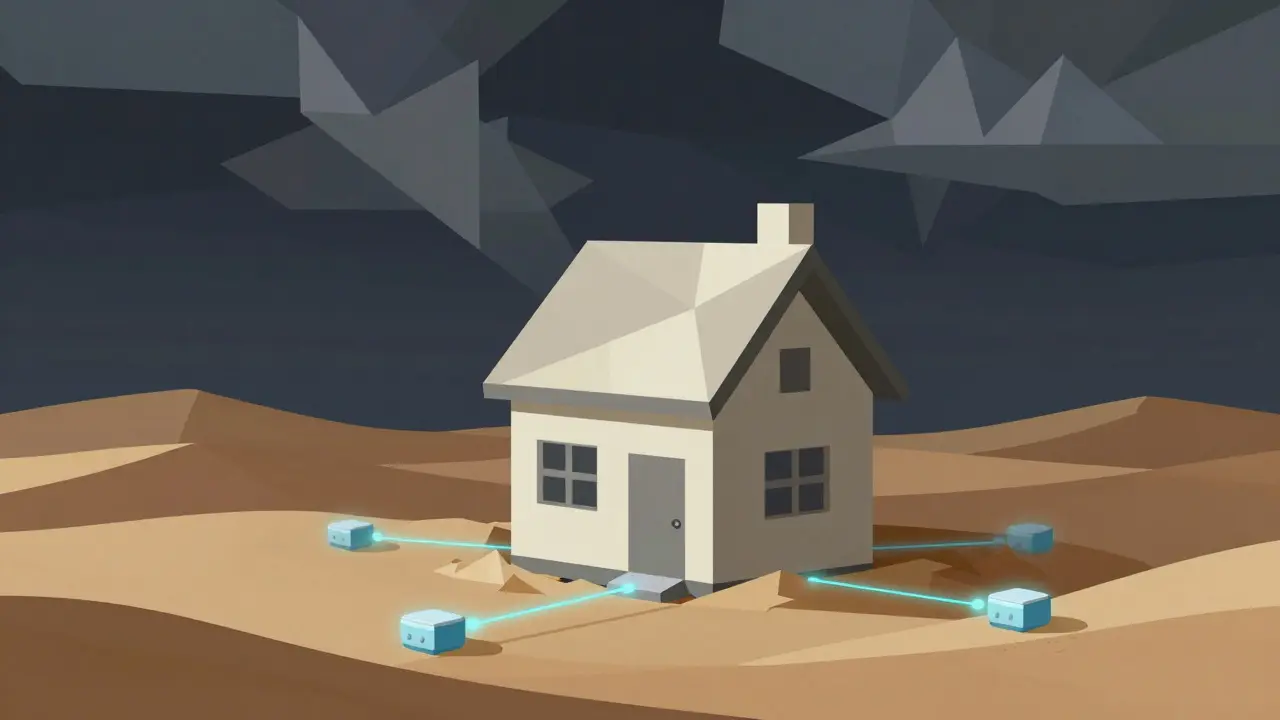
Imagine building a house on sand. It might look fine for a while, but the first storm will wash it away. In the world of blockchain, that sand is often bad data. Smart contracts are powerful-they execute automatically when conditions are met-but they are blind to the real world. They don’t know the price of Bitcoin, the outcome of an election, or whether it rained in London. To fix this, we use Blockchain Oracles, which are middleware systems that connect smart contracts with external off-chain data sources. But not all oracles are created equal. You have two main choices: centralized or decentralized. Choosing the wrong one can cost you millions.
The Core Problem: Why Blockchains Need Oracles
Blockchains like Ethereum is a decentralized public blockchain platform that supports smart contracts and dApps are designed to be trustless. This means you don’t need to trust a bank or a middleman; you trust the code. However, this design creates a major limitation known as the "oracle problem." A blockchain cannot natively access data outside its own ledger. If a smart contract needs to pay out insurance because a flight was delayed, the blockchain doesn’t have access to flight schedules. It needs a bridge.
This bridge is the oracle. It fetches data from the internet (like an API) and delivers it to the blockchain. The critical question isn't just *how* the data gets there, but *who* controls the source. This distinction splits the industry into two camps: centralized and decentralized oracles. As of 2026, the total value locked in DeFi protocols relying on these feeds exceeds hundreds of billions of dollars, making this choice more critical than ever.
Centralized Oracles: Simple but Risky
A Centralized Oracle is an oracle system managed by a single entity or server that provides data to smart contracts. Think of it like getting the weather forecast from one specific app. If that app’s server goes down, you get no data. If the app makes a mistake, you get the wrong data. There is no backup plan.
Why do people still use them? Simplicity. Implementing a centralized oracle is cheap and fast. You write a simple script, host it on a cloud server like AWS, and push the data to the blockchain. For low-stakes applications-like a simple NFT minting event where the exact timestamp doesn’t matter much-this works fine. The barrier to entry is low, and developers don’t need to understand complex consensus mechanisms.
However, the risks are severe. A centralized oracle introduces a single point of failure. If the operator gets hacked, loses their keys, or simply decides to manipulate the data, your smart contract executes based on lies. Since blockchain transactions are immutable, you can’t undo the damage. In 2023, several smaller DeFi protocols suffered losses because a centralized price feed provided stale data during high volatility, causing liquidations to trigger incorrectly. This is the "garbage in, garbage out" problem in action.
Decentralized Oracles: Security Through Consensus
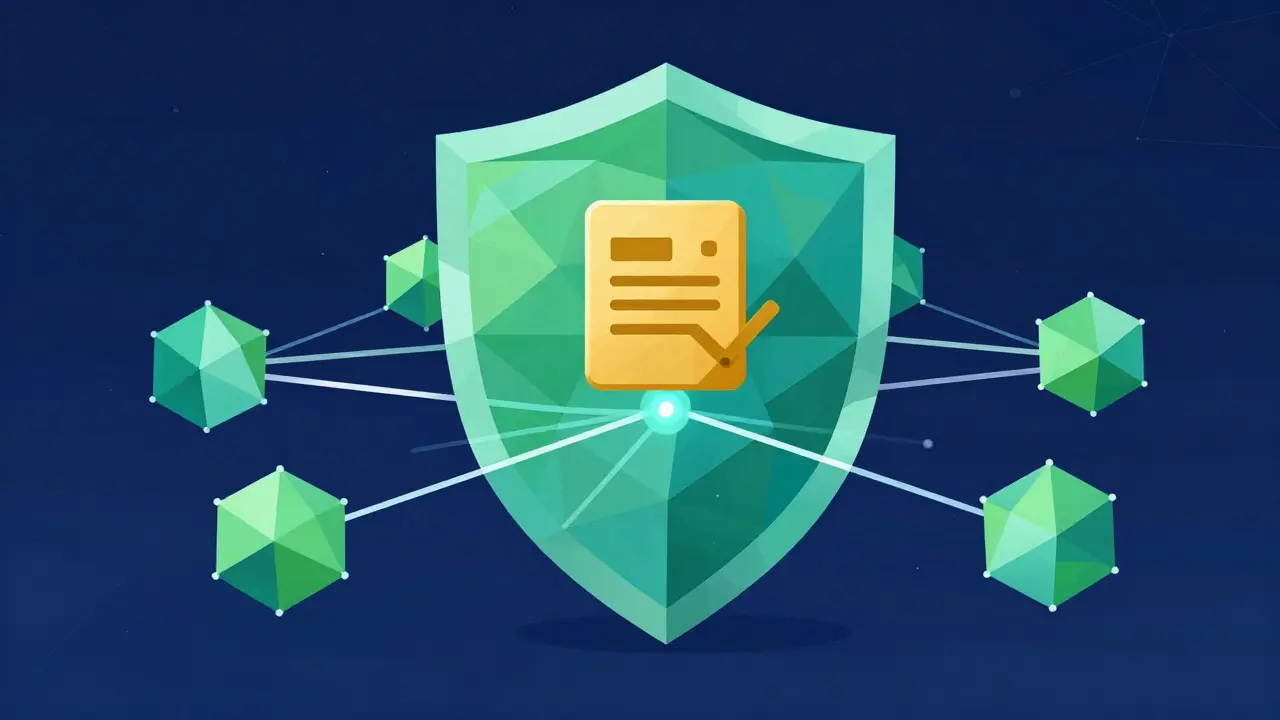
Decentralized Oracles are networks of independent nodes that collect, verify, and aggregate data before sending it to the blockchain. Instead of trusting one person, you trust a group. Imagine asking ten different meteorologists for the temperature, then taking the average. If one liar says it’s 100 degrees when it’s actually 50, the other nine correct answers dilute the error. This is the core logic behind networks like Chainlink is the leading decentralized oracle network providing reliable data feeds to smart contracts.
These networks operate on multiple layers of decentralization:
- Data Source Decentralization: Nodes pull data from dozens of exchanges or APIs, not just one.
- Node Operator Decentralization: Different companies and individuals run the nodes, preventing collusion.
- Cryptographic Decentralization: Data is signed and verified using cryptographic proofs.
The result is a system that is incredibly hard to attack. To manipulate a price feed on Chainlink, an attacker would need to compromise a majority of the independent node operators simultaneously, which is economically unfeasible for most targets. This makes decentralized oracles the standard for high-value financial applications.
Head-to-Head Comparison
| Feature | Centralized Oracle | Decentralized Oracle |
|---|---|---|
| Security | Low (Single Point of Failure) | High (Distributed Consensus) |
| Cost | Low (Simple infrastructure) | Higher (Gas fees + Node rewards) |
| Speed/Latency | Faster (No consensus needed) | Slower (Aggregation takes time) |
| Trust Model | Trust the Operator | Trust the Network/Math |
| Best Use Case | Internal tools, Low-value NFTs | DeFi Lending, Derivatives, Insurance |
Push vs. Pull Models: How Data Moves
Beyond the centralization debate, how data is delivered matters. You’ll hear about "Push" and "Pull" models, especially when looking at providers like Pyth Network is a high-frequency decentralized oracle network focused on low-latency financial data.
In a Push Model, the oracle constantly updates the blockchain with new data, regardless of whether anyone asks for it. This ensures the data is always fresh. Chainlink primarily uses this model for its Price Feeds. The downside? It costs gas money every time the data updates, even if no trade happens. It’s like paying for a newspaper delivery every day, even if you don’t read it.
In a Pull Model, the smart contract requests data only when it needs it. Pyth popularized this approach for ultra-fast trading. It saves resources when activity is low, but it introduces latency. If the market crashes, the contract has to wait for the data request to process. For high-frequency trading bots, milliseconds matter, so the Pull model is often preferred despite the complexity.

When to Choose Which?
So, which one should you pick for your project? It depends entirely on what you’re building.
If you are building a DeFi lending protocol, a perpetual futures exchange, or a parametric insurance product, you must use a decentralized oracle. The stakes are too high. Users are depositing real money, and a manipulated price feed could drain the entire liquidity pool. The extra cost of running a decentralized network is an insurance premium worth paying.
If you are building a gaming application where the RNG (random number generator) determines a cosmetic drop, or a simple voting dApp, a centralized oracle might suffice. The financial risk is minimal, and you want to keep development costs down. However, even here, the trend is shifting toward decentralization to maintain user trust.
The Future: Hybrid Smart Contracts
We are moving toward an era of Hybrid Smart Contracts. These combine on-chain code with off-chain infrastructure seamlessly. The line between "centralized" and "decentralized" is blurring as networks improve efficiency. Newer solutions are using zero-knowledge proofs to verify data without revealing the source, potentially solving the speed issues of decentralized oracles.
For now, the rule of thumb remains: If the data affects money, decentralize it. If it affects nothing critical, keep it simple. But remember, in blockchain, simplicity often comes with hidden costs.
What is the biggest risk of using a centralized oracle?
The biggest risk is the single point of failure. If the single operator is hacked, goes offline, or acts maliciously, the smart contract receives incorrect or stale data. Since blockchain transactions are irreversible, this can lead to permanent loss of funds for users.
Are decentralized oracles slower than centralized ones?
Generally, yes. Decentralized oracles require multiple nodes to collect data, reach consensus, and aggregate results. This process takes more time than a single server pushing data directly. However, advancements in technology are reducing this latency significantly.
Which oracle network is best for DeFi?
Chainlink is currently the industry standard for most DeFi applications due to its extensive network of nodes and proven track record. Pyth Network is also gaining traction for applications requiring high-frequency, low-latency data, such as derivatives trading.
Can I build my own decentralized oracle?
Technically, yes, but it is resource-intensive. You need to set up multiple independent nodes, implement consensus algorithms, and manage key security. Most developers prefer to integrate existing networks like Chainlink to avoid reinventing the wheel and compromising security.
What is the difference between Push and Pull oracles?
In a Push model, the oracle sends data to the blockchain at regular intervals, ensuring it's always up-to-date but costing more in gas fees. In a Pull model, the smart contract requests data only when needed, saving resources but introducing slight latency in data retrieval.