
Crypto ATMs and the $246 Million Scam Epidemic: How Unregulated Kiosks Are Targeting Seniors
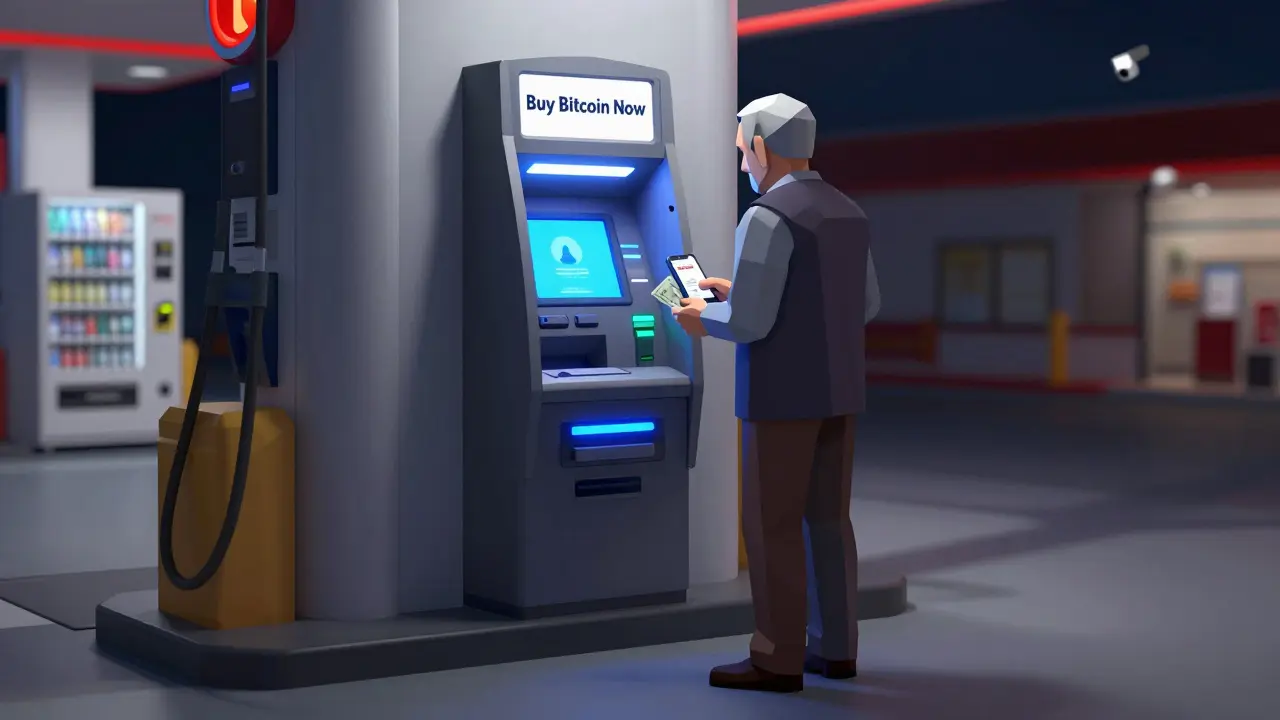
By March 2026, over $246 million has been stolen through cryptocurrency ATMs in the U.S. alone. That’s not a typo. That’s more than the annual budget of some small cities. And the worst part? Most victims didn’t even know they were walking into a trap.
These machines look harmless. They’re often tucked into gas stations, convenience stores, or strip malls. A screen prompts you: "Buy Bitcoin with Cash." No ID required. No waiting. Just insert your money, scan a QR code, and walk away with crypto. It’s fast. It’s simple. And it’s exactly how scammers count on you to act.
How Crypto ATMs Work - And Why They’re Dangerous
Crypto ATMs let you turn cash into Bitcoin, Ethereum, or other digital coins. Some even let you sell crypto for cash. That sounds useful - until you realize how little oversight they have.
Traditional bank ATMs? They’re locked down. Every transaction is logged. Your identity is verified. Fraud alerts fire if something looks off. Crypto ATMs? Not even close.
The FBI recorded over 10,956 complaints in 2024. Most victims were over 60. Many lost everything - their retirement savings, their home equity, their life savings. One man in Arizona gave away $87,000 after a scammer convinced him his grandson was in jail. He walked into a crypto ATM, handed over the cash, and never saw it again.
Why? Because crypto transactions are irreversible. Once sent, there’s no chargeback. No refund. No bank to call. The money vanishes into the blockchain, and the trail goes cold.
The Technical Backdoor: How Hackers Are Exploiting the Machines
It’s not just scams. The machines themselves are broken.
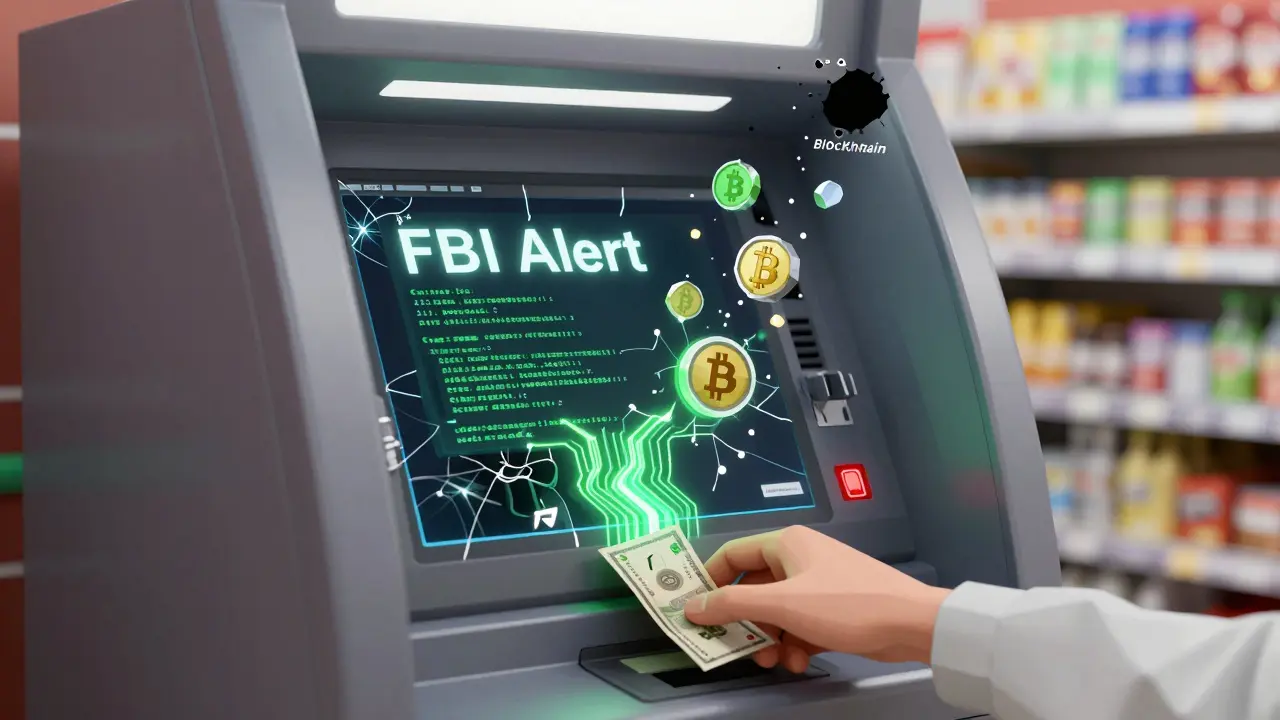
Security researchers at IOActive found critical flaws in the Lamassu Douro model - one of the most common crypto ATMs in use. One vulnerability, CVE-2024-0674, lets a stranger with physical access to the machine gain full control. All they need to do? Drop a fake file into a specific folder and trigger a software update. Suddenly, the ATM is theirs. They can steal customer data, reroute transactions, or even install malware that steals PINs.
This isn’t theoretical. It’s happened. And because most operators don’t update their software, thousands of these machines are still running outdated, vulnerable code.
Imagine walking up to an ATM that’s supposed to be secure - but the inside is wide open. That’s what’s happening right now.
Why Regulators Are Finally Acting
The U.S. Treasury’s Financial Crimes Enforcement Network (FinCEN) issued a formal warning in August 2025. They called crypto ATMs a "high-risk channel" for money laundering and fraud. The FBI, DEA, and local police are now tracking them.
Arizona took the first real step. In early 2025, the state passed a law that forced operators to:
- Limit new customers to $2,000 per day
- Require users to watch a warning video and check a box before transacting
- Refund victims who report fraud within 30 days - including fees
- Print receipts with clear disclaimers
Before this law, Arizona had over 600 crypto ATMs - and $177 million stolen in 2024. After? Losses dropped by 40% in six months.
Other states are following. Eleven states passed new rules in 2025. But federal law? Still nowhere.
Most crypto ATM operators don’t even register as money services businesses (MSBs), which means they don’t have to report suspicious activity. No KYC. No monitoring. No accountability. That’s why they’re the perfect tool for criminals.
Who’s Getting Targeted - And Why
Scammers don’t go after tech-savvy millennials. They go after people who trust machines.
Seniors are the #1 target. Why?
- They’re more likely to answer unsolicited calls or texts
- They trust official-looking logos and websites
- They’re less likely to report fraud - out of shame
- They often have savings, but not much tech literacy
FBI data shows over two-thirds of crypto ATM fraud victims in 2024 were 60 or older. That’s a 99% jump from just two years before.
Scammers use fake IRS calls, fake police alerts, fake family emergencies. "Your account is frozen. Send crypto to unlock it." "Your grandchild is in jail. Pay now." They even use AI-generated voices that sound like your own child.
One woman in Peoria, Arizona, lost $92,000 after a caller said her Social Security number was being used to buy drugs. She didn’t question it. She went to the nearest crypto ATM. By the time she realized it was fake, the money was gone.

What You Need to Do - Right Now
If you or someone you know uses crypto ATMs, here’s what matters:
- Never use a crypto ATM for urgent transactions. If someone tells you to send crypto immediately - it’s a scam.
- Check the machine’s location. Are there security cameras? Is it in a well-lit, busy area? If it’s tucked into a dark corner of a 24-hour gas station - walk away.
- Always read the screen. Arizona’s law forces operators to show warnings. If the screen doesn’t say "This transaction cannot be reversed," don’t proceed.
- Never give out your private key or QR code. No legitimate service will ever ask for this.
- If you’re over 60, talk to a family member before using one. A second set of eyes can spot red flags you might miss.
And if you’ve already lost money? Report it. Immediately. Contact the FBI’s IC3 at ic3.gov. Even if the money is gone, reporting helps track patterns and shut down machines.
The Bigger Picture: Can Crypto ATMs Ever Be Safe?
The core problem isn’t just bad actors. It’s the design. Crypto ATMs were built for speed - not safety. They’re meant to bypass banks, not work with them.
That’s why regulation is so slow. Some lawmakers want to ban them. Others say they’re a tool for financial freedom. The truth? They’re both.
Used responsibly, crypto ATMs can help unbanked communities access digital currency. But right now, they’re a magnet for crime. Without ID checks, transaction limits, and mandatory fraud warnings, they’re not a service - they’re a vulnerability.
The $246 million loss isn’t just a number. It’s 10,000 families who lost trust. It’s seniors who can’t afford to replace what’s gone. It’s a system that failed them.
The fix isn’t complicated. Require ID. Limit amounts. Force warnings. Track transactions. Hold operators accountable. Arizona proved it can work. Now it’s time for every state - and the federal government - to do the same.
Until then? Treat every crypto ATM like a slot machine. You might win. But the odds are stacked - and the house always takes your money.
Are crypto ATMs legal?
Yes, but they operate in a legal gray zone. In the U.S., federal law doesn’t require most operators to register as money services businesses (MSBs), meaning they don’t have to verify users or report suspicious activity. Some states, like Arizona, have passed strict rules. Others have none. That patchwork of laws makes enforcement nearly impossible.
Can you get your money back if you’re scammed at a crypto ATM?
Almost never. Crypto transactions are irreversible by design. The only exception is in Arizona, where operators must refund new customers who report fraud within 30 days - including fees. Outside of that, recovery is nearly impossible. Don’t rely on getting your money back.
Which crypto ATMs are the most dangerous?
The Lamassu Douro model has been confirmed to have critical security flaws, including CVE-2024-0674, which allows full system access through a simple file upload. Other brands may have similar issues. The real danger isn’t the brand - it’s the lack of updates. If the machine hasn’t been patched in over a year, treat it as compromised.
Why are seniors the main targets?
Scammers target seniors because they’re more likely to trust authority figures, less familiar with crypto, and often have savings to lose. Many don’t report fraud out of embarrassment. The FBI reports over two-thirds of 2024 victims were over 60 - up 99% from 2022. This isn’t random. It’s calculated.
What should I do if I suspect a crypto ATM scam?
Stop. Don’t send any money. Call the FBI’s Internet Crime Complaint Center (IC3) at ic3.gov. File a report even if you didn’t lose money - your info helps track scams. Tell a family member or friend. And if you’ve already sent crypto, report it immediately. Time matters.
Anastasia Danavath
March 15, 2026 AT 18:24anshika garg
March 17, 2026 AT 07:27Bruce Doucette
March 18, 2026 AT 07:48Lauren J. Walter
March 19, 2026 AT 20:53Carol Lueneburg
March 19, 2026 AT 22:07Brenda White
March 20, 2026 AT 23:52Tobias Wriedt
March 22, 2026 AT 08:24Ernestine La Baronne Orange
March 23, 2026 AT 07:00Manali Sovani
March 23, 2026 AT 20:33Konakuze Christopher
March 25, 2026 AT 05:34