
BitFXT Exchange Review: Is It Safe for Nigerian Crypto Traders in 2026?

Buying Bitcoin with Naira used to be a headache. Between strict banking rules and volatile exchange rates, finding a reliable local platform was tough. That’s why many Nigerians turned to homegrown exchanges like BitFXT. Founded by Franklin Peters, it promised easy fiat-to-crypto on-ramps and even a spendable card through its BoundlessPay app.
But the story has changed since its peak around 2020. Today, asking if BitFXT is safe requires looking past the marketing and into the recent history of frozen funds, regulatory hurdles, and shifting business models. This review breaks down what you need to know before depositing your money in 2026.
The Origin Story: From Lagos Startup to Fintech Ecosystem
To understand where BitFXT stands today, we have to look at how it started. Franklin Peters, also known as Franklin Odoemenam, founded Bitfxt Technologies Limited in 2017. The exchange officially launched in early 2018, right when cryptocurrency interest was exploding across West Africa.
Peters, a software engineer who started coding in his teens, saw a gap in the market. Global giants like Binance were great, but they didn’t always offer seamless integration with Nigerian bank accounts or local payment processors like Paystack and Flutterwave. BitFXT aimed to fix this by offering direct NGN (Nigerian Naira) deposits via bank transfer and cards.
By mid-2020, Peters claimed the platform had over 10,000 users and had processed more than $40 million in trading volume. These numbers weren’t independently audited, but they painted a picture of rapid growth. The goal was ambitious: onboard one million African users by 2025. However, the landscape shifted dramatically just months later.
How BitFXT Works: Features and User Experience
BitFXT operates as a centralized exchange (CEX). This means the company holds custody of your funds while you trade. Their ecosystem actually consists of three main parts:
- The Web Exchange: A browser-based platform for spot trading pairs like BTC/NGN, ETH/USDT, and XRP/BTC.
- BoundlessPay App: A mobile-first application (available on Android and iOS) that lets you buy, sell, stake, and spend crypto using virtual or physical debit cards.
- BXT Token: A utility token introduced around 2019-2020, designed to offer fee discounts and staking rewards.
For beginners, the interface was marketed as simple. You could create an account with just an email and password. To unlock higher transaction limits, you’d go through KYC (Know Your Customer) verification, uploading documents like a National ID or passport. Tier 1 users faced daily limits of roughly ₦50,000-₦100,000, while verified users could move millions of Naira.
The BoundlessPay app was the real differentiator. It allowed users to convert crypto to cash instantly and spend it anywhere Visa or Mastercard was accepted. For many, this was the first time they could use Bitcoin to pay for groceries or bills locally.
Fees and Pricing: What Does It Cost?
Cost matters, especially when margins are thin. Historically, BitFXT charged a flat 0.20% trading fee per executed trade. If you held their BXT token, you could get a 50% discount, dropping the fee to 0.10%.
Depositing Naira via bank transfer was free, but using a debit card often incurred gateway charges between 1.5% and 2.5%, depending on the processor. Cryptocurrency deposits were free, but withdrawals carried fixed network fees-for example, 0.0005 BTC for Bitcoin or 0.01 ETH for Ethereum.
If you opted for the BoundlessPay card, there were additional costs. Issuance fees ranged from $5 to $10, and ATM withdrawals cost around $2-$3 per transaction. While these fees aren’t outrageous compared to international standards, they add up quickly for high-frequency traders.
| Service | Fee Estimate | Notes |
|---|---|---|
| Spot Trading | 0.20% | Reduced to 0.10% with BXT token |
| NGN Bank Deposit | 0% | Free via direct transfer |
| Card Deposit | 1.5% - 2.5% | Processor fees apply |
| Crypto Withdrawal | Network Variable | e.g., 0.0005 BTC |
| ATM Withdrawal | $2 - $3 | Via BoundlessPay card |
The Regulatory Hurdle: The 2021 CBN Ban
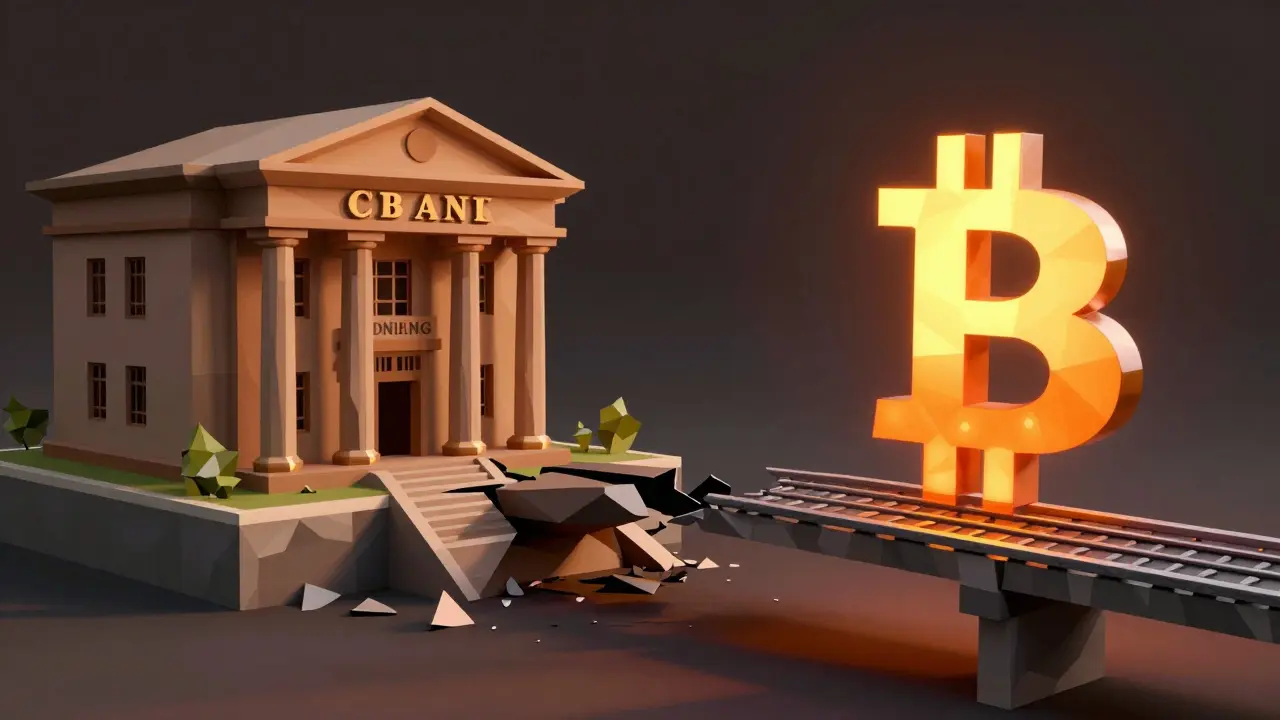
No review of a Nigerian crypto exchange is complete without discussing the Central Bank of Nigeria (CBN). On February 5, 2021, the CBN issued a circular directing all banks to close accounts facilitating cryptocurrency transactions. This was a massive blow to the industry.
Platforms like Luno and Quidax adapted quickly by focusing on peer-to-peer (P2P) markets or securing specific exemptions. BitFXT, however, struggled. Without access to traditional banking rails, their primary value proposition-easy NGN on-ramps-was severed. The company never obtained a Virtual Asset Service Provider (VASP) license from the Securities and Exchange Commission (SEC) Nigeria, leaving them in a regulatory gray area.
This lack of licensing is a red flag for risk-conscious investors. Unlike global exchanges that publish proof-of-reserves or partner with custodians like Fireblocks, BitFXT has not provided transparent audits of its holdings. There is no public insurance fund similar to Binance’s SAFU fund to protect users in case of insolvency.
Safety Concerns: Frozen Funds and Support Issues
This is the most critical section. While BitFXT had no major hacking incidents reported, user complaints about operational reliability skyrocketed after 2020.
On forums like Nairaland and social media platforms like Twitter/X, numerous users reported that their withdrawals became stuck. In mid-2021, threads documented cases where users waited weeks-or even months-for BTC or USDT withdrawals ranging from $100 to $5,000 to process. Some users alleged that customer support stopped responding after initial acknowledgments.
Franklin Peters addressed these concerns publicly, attributing delays to CBN restrictions and liquidity crunches. He claimed in late 2021 that over 70% of pending withdrawals had been cleared. However, many users disputed this, stating their funds remained locked. No formal insolvency filing or audited financial report has ever been released to clarify the company’s solvency.
Customer support quality has also been a pain point. Users report waiting 24-72 hours for email responses during normal times, and weeks during crisis periods. The lack of a robust API or developer documentation further isolates the platform from the broader tech community, making it harder for independent experts to verify its security posture.
BitFXT vs. Competitors: Who Should You Choose?
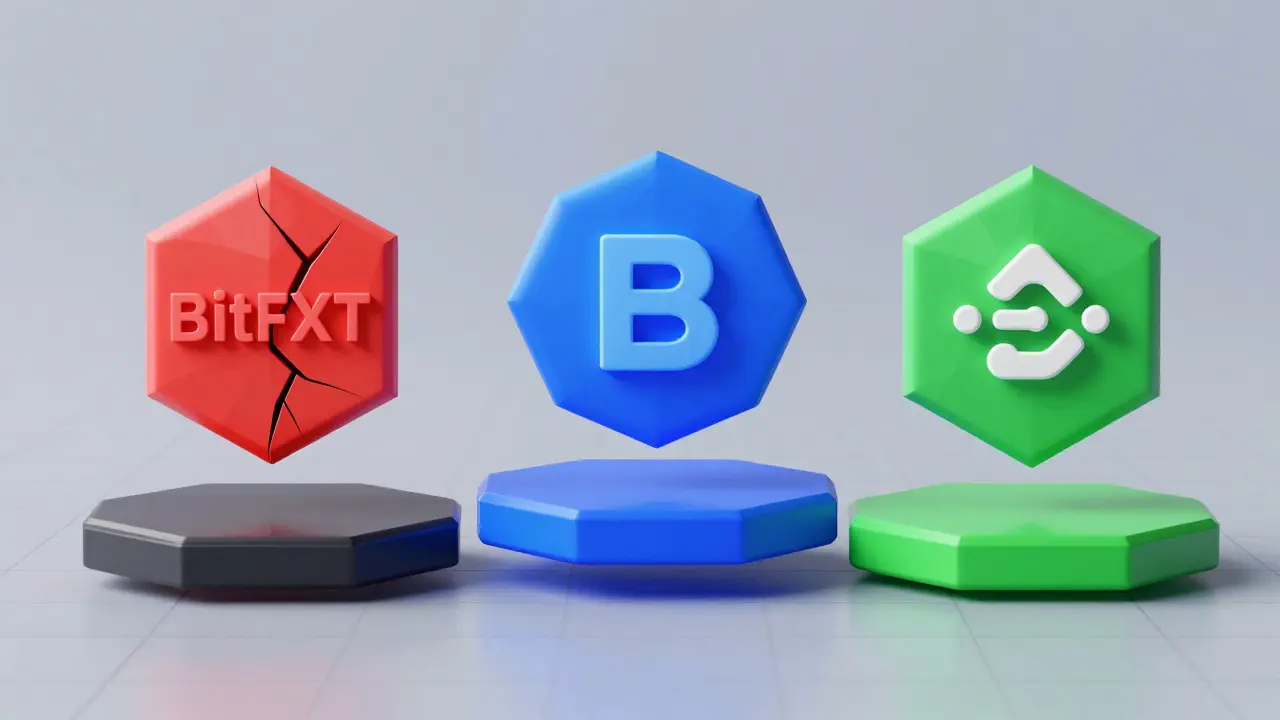
If you are in Nigeria or West Africa, you have options. Here is how BitFXT stacks up against other popular choices:
| Feature | BitFXT | Binance P2P | Luno | Quidax |
|---|---|---|---|---|
| Regulatory Status | Unlicensed | Global License | Registered | Registered |
| NGN On-Ramp | Historically Direct | P2P Only | Direct & P2P | Direct & P2P |
| Trust Score | Low (Complaints) | High | Medium-High | Medium |
| Advanced Tools | Limited | Extensive | Basic | Basic |
| Card Spending | Yes (BoundlessPay) | No (Third-party) | Yes (Partner) | No |
Binance dominates the P2P space, offering deep liquidity and sub-0.5% spreads. Luno has established itself as a trusted brand with better regulatory compliance. Quidax offers a strong local alternative with good banking integration. BitFXT lags behind in transparency, liquidity, and user trust.
Final Verdict: Is BitFXT Worth Using in 2026?
The short answer is: proceed with extreme caution. BitFXT pioneered the concept of local crypto spending in Nigeria, but its execution has faltered under regulatory pressure and operational challenges.
Without proof-of-reserves, clear licensing, or a track record of resolving withdrawal issues promptly, it poses a significant risk for storing large amounts of capital. If you must use the platform, treat it as a transactional tool only. Keep balances minimal, withdraw profits frequently, and avoid long-term holding. For most users, established competitors like Binance or Luno offer safer, more liquid environments.
Is BitFXT licensed in Nigeria?
No, BitFXT does not hold a Virtual Asset Service Provider (VASP) license from the Securities and Exchange Commission (SEC) Nigeria. It operated largely in a regulatory gray area, especially after the 2021 CBN ban on crypto banking.
Why are there so many complaints about BitFXT withdrawals?
Users have reported delayed or frozen withdrawals since 2021. The company attributed these issues to CBN banking restrictions and liquidity problems, but many users allege their funds remain inaccessible despite promises of resolution.
What is BoundlessPay?
BoundlessPay is the mobile app component of the BitFXT ecosystem. It allows users to buy, sell, and spend cryptocurrencies using virtual or physical debit cards, effectively acting as a bridge between crypto assets and everyday purchases.
Does BitFXT have an insurance fund for user deposits?
No, unlike major exchanges such as Binance which have SAFU funds, BitFXT has no publicly documented insurance fund or third-party security audits to protect customer deposits in case of bankruptcy or hacks.
Who is Franklin Peters?
Franklin Peters (Franklin Odoemenam) is the founder and CEO of Bitfxt Technologies Limited. He is a Nigerian software engineer who launched the exchange in 2018 with the goal of expanding crypto adoption across Africa.