
Battle Hero II Chest NFTs Airdrop: Everything You Need to Know
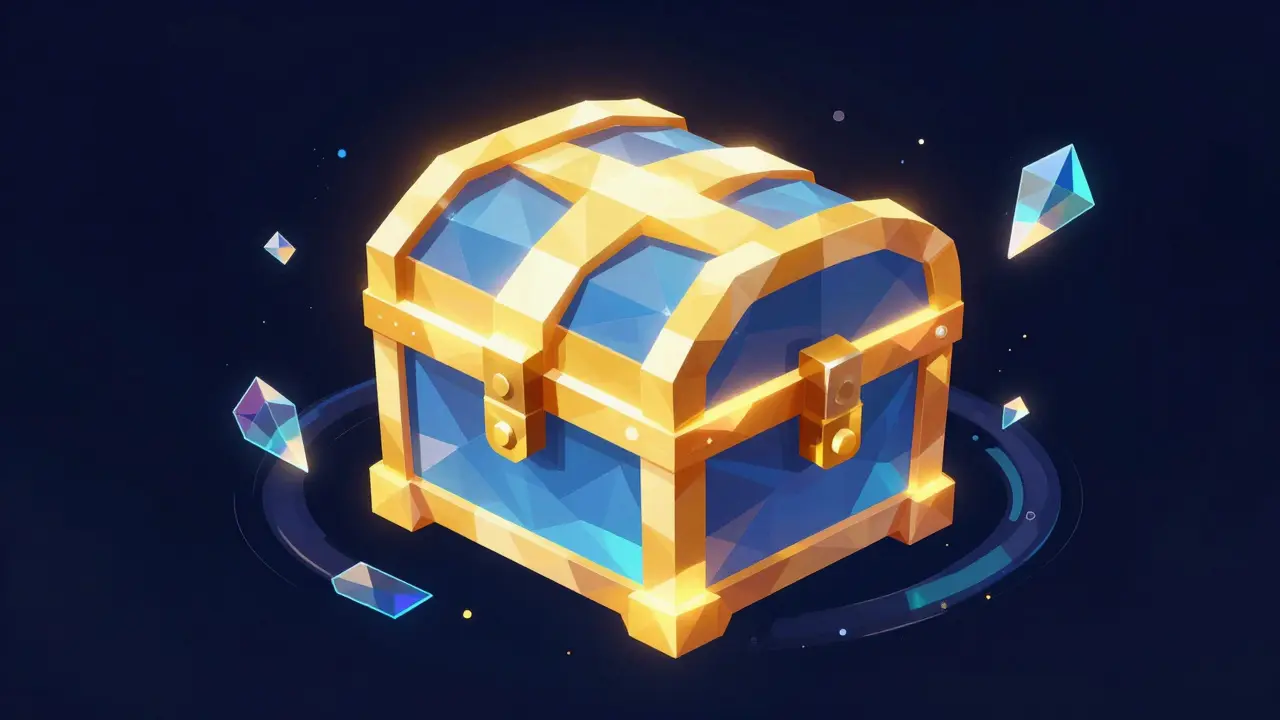
Imagine waking up to find a digital chest in your wallet worth a chunk of a $50,000 prize pool. That was the hook for the Battle Hero II Chest NFTs is a digital asset distribution event tied to the Battle Hero gaming ecosystem, where users received NFT-based loot boxes. It was designed to pull players into a world of play-to-earn mechanics during the peak of the blockchain gaming craze.
The Basics of the Battle Hero II Distribution
Back in early 2022, the gaming world was obsessed with the idea of earning while playing. Battle Hero II jumped into this trend by launching an airdrop. For those who aren't familiar, an airdrop is a marketing strategy where cryptocurrency projects send free tokens or NFTs to wallet addresses to generate hype and reward early adopters. In this specific case, the reward wasn't just a coin, but "Chest NFTs."
These chests acted as containers. In most Battle Hero II Chest NFTs setups, a chest is essentially a loot box. You don't know exactly what's inside until you "open" it, and the contents usually range from common items to rare gear that gives your in-game character an edge. The total value of the rewards distributed during this event was pegged at over $50,000, which, while not as massive as some billion-dollar projects, was enough to attract thousands of hopeful hunters.
How the Airdrop Actually Worked
The event wasn't just a random giveaway; it was a calculated move to build a community. Much of the promotion happened through CoinMarketCap, a widely used price-tracking platform that hosts a dedicated airdrop section. To get your hands on a chest, users typically had to follow a specific set of "social quests."
- Following the project's official Twitter and Telegram channels to stay updated.
- Joining the community Discord to interact with other potential players.
- Retweeting promotional posts to spread the word about the $50,000 pool.
- Providing a valid wallet address capable of receiving NFT assets.
This "task-based" approach is a classic move in the crypto world. By forcing users to engage with their social media, the developers ensured that the airdrop didn't just give away money, but actually bought them a temporary surge in visibility and a larger following.
Understanding the Play-to-Earn Mechanics
Battle Hero II positions itself within the Play-to-Earn (P2E) model, which is a gaming economy where players can earn cryptocurrency or NFTs through gameplay, which can then be traded for real-world value. The Chest NFTs served as a bridge between the marketing phase and the actual gameplay.
If you earned a chest, you were essentially being given a "starter kit." In a typical P2E cycle, the value of your asset depends on the utility it provides. For example, if a chest contained a legendary sword that increased your win rate by 20%, that NFT became more valuable on the secondary market. This creates a loop: airdrops attract players $\rightarrow$ players open chests $\rightarrow$ rare items are found $\rightarrow$ items are traded for profit.
| Feature | Battle Hero II Chest NFT | Standard Game Loot Box |
|---|---|---|
| Ownership | True ownership via Blockchain | Account-bound (Owned by Devs) |
| Transferability | Can be sold on NFT marketplaces | Cannot be traded for cash |
| Acquisition | Free (Airdrop) or Purchased | Usually Purchased |
| Value Stability | Highly Volatile | Zero Monetary Value |
The Red Flags and Risks of 2022 Airdrops
It wasn't all excitement and free loot. During the early 2022 period, the crypto landscape was like the Wild West. Researchers and security experts began issuing stern warnings about the "extreme caution" needed when connecting wallets to unknown airdrop sites. Why? Because of Wallet Drainers, which are malicious smart contracts designed to empty a user's wallet the moment they sign a "claim" transaction.
Many projects during the NFT boom promised huge rewards but lacked a clear roadmap or a transparent team. While Battle Hero II had a promotional presence on reputable sites, the broader trend showed a pattern of "pump and dump" schemes. Users were often lured in by the promise of free NFTs, only to find that the token had no actual utility once the hype died down. If a project's only value is its airdrop, it's usually a sign that the long-term economics are shaky.
Current Status: What Happened to Battle Hero II?
Looking back from 2026, the trajectory of Battle Hero II is a textbook example of the 2022 gaming bubble. Many of these projects launched with a bang-huge airdrops, flashy art, and promises of a new economy-only to fade into obscurity. Today, finding active development updates or a functioning community for the project is difficult. Most of the initial excitement vanished as the market shifted away from purely speculative P2E games toward those with actual, high-quality gameplay.
The BATH token, associated with the ecosystem, followed a common path for gaming tokens: a spike in price during the airdrop phase followed by a long decline as the active player base dwindled. This is why it's vital to differentiate between a "marketing event" (the airdrop) and a "sustainable product" (the game).
Was the Battle Hero II airdrop a scam?
While it was promoted on legitimate platforms like CoinMarketCap, researchers at the time warned users to be cautious. Many projects in that era used airdrops to inflate user numbers without having a viable long-term product. Whether it was an outright scam or just a failed project depends on if the users actually received their assets without compromising their wallet security.
What exactly were the Chest NFTs?
They were digital containers (loot boxes) that, when opened within the game, provided various in-game items, gear, or tokens. Their primary purpose was to incentivize players to enter the ecosystem and create a secondary trading market for the items found inside.
How much was the total prize pool?
The promotional materials stated a total prize pool valued at over $50,000, distributed among the participants who completed the required social tasks.
Can I still claim the airdrop today?
No. This airdrop took place in early 2022. Airdrops are time-limited events, and once the distribution period ends and the tokens are claimed, the window closes permanently.
What is the best way to avoid fake airdrops?
Always use a "burner wallet"-a secondary wallet with no significant funds-when interacting with new airdrops. Never share your seed phrase or private keys, and be wary of any site that asks for a "gas fee" upfront to unlock your free rewards.
Next Steps for Airdrop Hunters
If you're looking for the next big opportunity, don't just chase the dollar sign. Look for projects with a working product (a Beta game, a functioning app) rather than just a whitepaper and a Twitter account. Check the team's history-do they have a track record of finishing projects? Use tools like Etherscan to see if the developers are actually holding their tokens or if they're dumping them on new users.
For those who already hold old gaming NFTs, the best move is usually to audit your wallet. If you have assets from 2022 that you've forgotten about, check if the project has pivoted or if the assets have any remaining utility. In most cases, these have become digital souvenirs of the great NFT boom.
Saurav Bhattarai
April 19, 2026 AT 21:58Oh look, another revolutionary "game" that lasted about as long as a Mayfly's lifespan. Truly shocking that a project based on "social quests" and fake hype collapsed. Absolute genius at work here. 🙄
John and Lauren Busch
April 20, 2026 AT 11:30Classic 2022 vibes. Just a bunch of digital boxes for nothing.
Abhinav Chaubey
April 20, 2026 AT 23:07Everyone knows that the P2E model was fundamentally flawed from the start because it relies on a constant influx of new players to maintain the token price. It's basic economics, people. If you actually studied the whitepaper instead of just chasing a free chest, you would've seen this coming a mile away. Honestly, it's embarrassing how many people fell for the BATH token hype without understanding a single thing about liquidity pools.
Sandeep Bhoir
April 22, 2026 AT 03:43Wow, a $50,000 prize pool for thousands of people. I'm sure the massive windfall of a few cents per person really changed their lives forever. Truly a philanthropic endeavor.
Adedamola Oyebo
April 23, 2026 AT 18:40Burner wallets are essential!!! Always use a separate browser for these claims!!!
Keri Pommerenk
April 25, 2026 AT 09:22glad you mentioned the burner wallets part. it is honestly the only way to navigate this space without losing everything if you are just experimenting with new airdrops
Michael Harms
April 26, 2026 AT 09:26It's still cool that we have these archives to learn from! Every failure is just a stepping stone to a better system. Let's just keep supporting the projects that actually put the gameplay first and keep the community spirits high!
siddharth narula
April 26, 2026 AT 13:32One must ponder if the pursuit of digital wealth through such ephemeral means is not a reflection of our own spiritual decay. We trade our time and focus for a "chest" of void and vanity. It is a tragedy of the modern era that we mistake speculation for innovation. ॐ
Kaitlyn Wu
April 28, 2026 AT 08:51The point about the "social quests" is the most important takeaway here. When a project requires you to retweet and follow five different accounts just to get a freebie, they aren't building a community; they are buying a bot-filled metric for their investors. Be assertive about your security and don't let the FOMO drive your financial decisions.
Sean Mitchell
April 29, 2026 AT 07:24The sheer audacity of these developers to call this a gaming ecosystem is simply breathtaking. It was a glorified spreadsheet with a few JPEG images of chests, and people actually treated it like the next big thing. I can't even deal with the level of delusion that was present in 2022. Truly a nightmare of a year for anyone with a functioning brain.
Adam Mann
April 30, 2026 AT 22:11I remember when these things first started popping up and it felt like everyone was just trying to help each other get a piece of the pie, and even though it didn't work out for most people, there was this wonderful sense of global discovery where people from every single continent were suddenly talking about blockchain and gaming and digital ownership in a way we had never seen before in human history. It's just such a shame that the bad actors took over the narrative, but if we look at it with a positive lens, it taught a whole generation about the importance of due diligence and how to actually research a project before diving in headfirst with their life savings.
Gillian Kent
May 1, 2026 AT 15:52i still have some of these old nfts in my wallet lol. i forgot to sell them befor the crash and now they are just useless little pixels but its kinda funny to look back on how hyped we all werr
Luke George
May 2, 2026 AT 06:07Of course it's "difficult" to find updates now. They probably scrubbed the servers to hide the evidence. These projects are all run by the same group of people trying to control the flow of digital assets. You can't trust anything that's hosted on a centralized server anyway, especially when the devs are hiding behind anime avatars.
Thomas Jewett
May 2, 2026 AT 10:01This whole thing is just a result of foreign influences messing with our markets and the govment does nothing to stop these scams from targetting american citizens while we just sit here and watch the value of our doller drop because of these digital fantasies that dont even exist in the real world where actual hard work and patriotism matter more than some fake chest on a screen that u cant even touch or hold in ur hand if u actually tryed