
10 Unlicensed Crypto Exchanges Blocked in Philippines
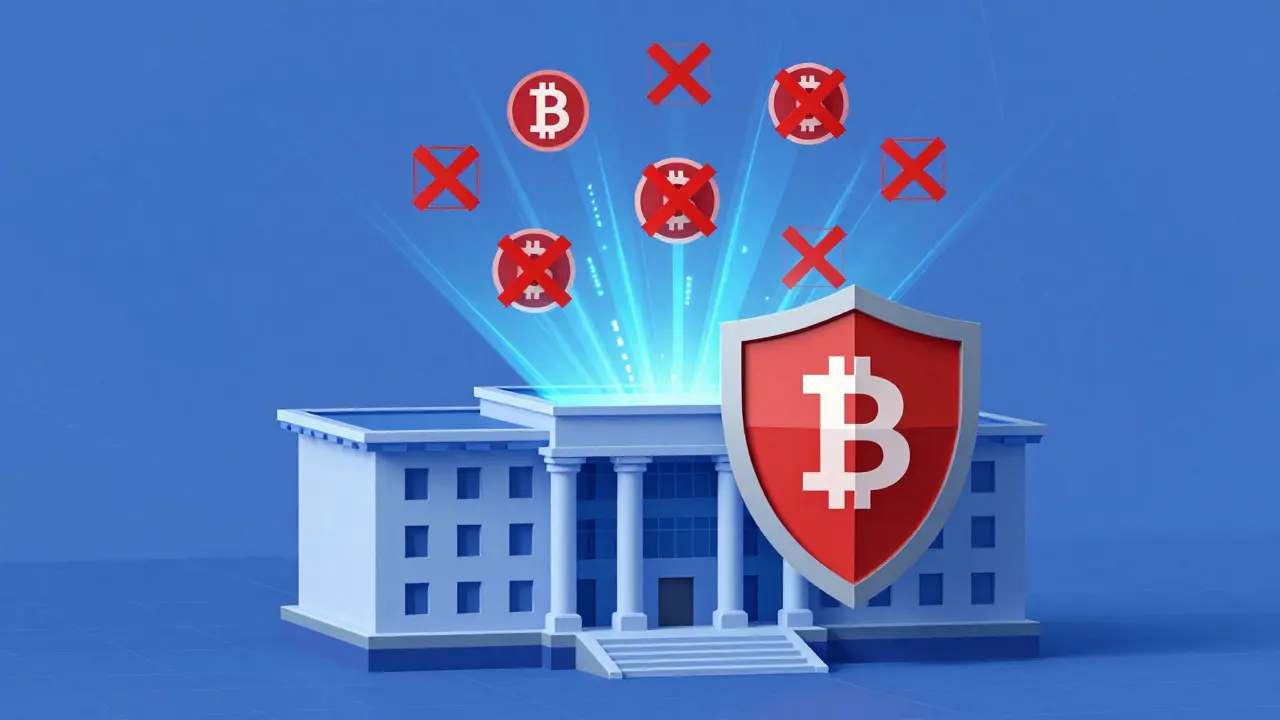
In August 2025, the Philippine Securities and Exchange Commission the government agency responsible for regulating securities and investment activities in the Philippines took a major step to protect local investors by blocking access to 10 cryptocurrency exchanges. This SEC crackdown followed new regulations requiring all crypto platforms to register and meet strict financial requirements. Let's break down what happened, why it matters, and what it means for users.
SEC Blocks 10 Major Crypto Exchanges
On August 5, 2025, the Philippine Securities and Exchange Commission issued a public warning against 10 cryptocurrency exchanges operating without proper authorization. These platforms included OKX a global cryptocurrency exchange that was among the 10 blocked by the Philippine SEC in 2025, Bybit a major exchange that faced regulatory action in the Philippines, Mexc a cryptocurrency exchange that was blocked in the Philippines, KuCoin a crypto exchange blocked by the Philippine SEC, Bitget a platform that was ordered blocked by the SEC, Phemex a crypto exchange blocked in the Philippines, CoinEx a platform that failed to comply with Philippine regulations, BitMart a crypto exchange blocked by the SEC, Poloniex a cryptocurrency exchange that was restricted in the Philippines, and Kraken a major exchange blocked by Philippine regulators.
Why did the SEC take this step? Simple: these exchanges were operating without licenses, putting Filipino investors at serious risk. Without proper registration, there's no way to verify if these platforms are safe or trustworthy. The SEC made it clear that unlicensed crypto platforms could expose users to fraud, asset theft, and other dangers. This move was part of a broader effort to protect local investors and bring digital assets under proper regulation.
New Rules for Crypto Exchanges in the Philippines
The SEC's action followed the implementation of two new regulations: Memorandum Circular No. 4 a regulation requiring crypto exchanges to register with the SEC and Memorandum Circular No. 5 a regulation establishing requirements for Crypto Asset Service Providers. These rules took effect on July 5, 2025, and set clear standards for any crypto platform wanting to operate in the Philippines.
| Requirement | Description |
|---|---|
| Minimum Capital | PHP 100 million (approx. $1.76 million) |
| Physical Presence | Must be registered and operate within the Philippines |
| Customer Fund Separation | Strict segregation of customer assets from company funds |
| Reporting | Regular submissions to SEC and Anti-Money Laundering Council |
These rules weren't just about paperwork. They were designed to protect users. For example, the capital requirement ensures exchanges have enough money to handle losses. The fund separation rule prevents companies from using customer money for their own operations-a common cause of crashes in other countries. And regular reporting helps regulators spot problems before they get out of hand.
How the Block Happened
After the SEC's warning, the National Telecommunications Commission the government agency regulating telecommunications in the Philippines ordered internet service providers to block access to the listed exchanges. PLDT the largest telecommunications company in the Philippines and its wireless subsidiary Smart Communications a major mobile network operator in the Philippines confirmed they had blocked all 10 platforms by August 12, 2025.
PLDT reported blocking over one hundred billion attempts to access malicious domains as part of its cybersecurity efforts. This wasn't just about the crypto exchanges-it was part of a broader push to protect users from scams and fraud. The company's Cyber Security Operations Group worked closely with regulators to ensure the blocks were effective.
Tax Changes for Crypto in the Philippines
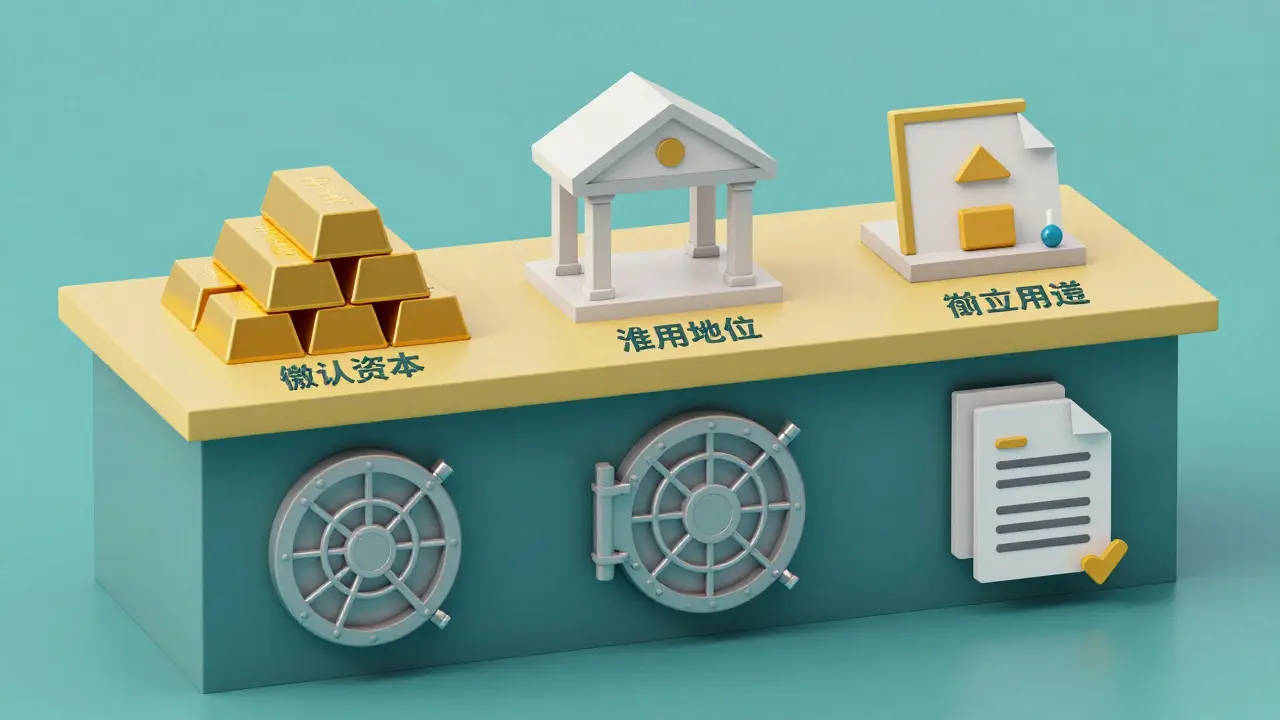
The crackdown happened alongside major changes to how cryptocurrency is taxed. Starting in 2025, capital gains from selling crypto for fiat currency or exchanging it for goods now face a 15% tax rate. Income from mining, staking, or receiving crypto as payment is also taxed as regular income. Even transactions where you buy goods with crypto now include a 12% Value Added Tax (VAT).
These tax rules mean Filipino crypto users need to keep detailed records. Failure to report crypto transactions can lead to penalties. The government made it clear: if you're trading or using crypto in the Philippines, you're responsible for paying the right taxes. This is part of a larger effort to bring digital assets into the formal financial system.
Global Context: Other Countries' Actions
The Philippines isn't alone in cracking down on unlicensed crypto exchanges. Thailand's SEC blocked five exchanges, including Bybit and OKX, in May 2025. Indonesia raised its tax rate on offshore crypto trades from 0.2% to 1% in 2025. These moves show a regional trend toward stricter oversight.
Why the global push? Because unregulated exchanges often lack safeguards. When exchanges collapse or get hacked, users lose money with no recourse. Countries like the Philippines are trying to prevent this by requiring exchanges to meet strict standards before operating locally. It's about protecting everyday investors, not just regulating for the sake of it.
Challenges and Workarounds
Even with network-level blocks, some users may still access blocked exchanges using virtual private networks (VPNs). Experts warn that this comes with risks. Using a VPN to access unlicensed platforms means you're operating outside regulatory protections. If something goes wrong, you have no legal recourse.
PLDT's CEO recently stated that the company is investing in better cybersecurity tools to combat such workarounds. But the reality is, technical blocks can be bypassed. The real solution is for exchanges to comply with local laws and for users to choose licensed platforms.
Why This Matters for Filipino Investors
For everyday crypto users in the Philippines, this crackdown is about safety. Unlicensed exchanges often lack proper security measures. Without SEC oversight, there's no guarantee your funds are safe. The new rules ensure that any platform operating in the Philippines has real financial backing and follows strict rules.
Remember: if an exchange isn't registered with the SEC, it's not safe to use. The government made it clear that these platforms were operating illegally. Choosing licensed exchanges means your assets are protected by Philippine law. That's a big step toward a safer crypto market.
Frequently Asked Questions
What happens if I use one of the blocked exchanges?
Using a blocked exchange means you're operating outside Philippine regulations. Your funds aren't protected, and you risk losing money if the exchange fails or gets hacked. The SEC explicitly warned that these platforms aren't authorized to operate in the country. It's best to switch to a licensed exchange to keep your assets safe.
Can I still trade crypto in the Philippines?
Yes, but only through SEC-licensed exchanges. As of 2026, there are several licensed platforms operating in the country. Always check the SEC's official list of registered Crypto Asset Service Providers before trading. This ensures your transactions are legal and your funds are protected.
How do I know if an exchange is licensed?
The Philippine SEC publishes a list of all registered Crypto Asset Service Providers on their official website. You can also contact the SEC directly to verify an exchange's status. Never assume an exchange is licensed just because it's popular-always check for yourself. Unlicensed platforms often mimic legitimate ones to trick users.
What are the tax implications for crypto in the Philippines?
As of 2025, capital gains from crypto transactions are taxed at 15%. This applies when you sell crypto for fiat or exchange it for goods. Income from mining, staking, or receiving crypto as payment is taxed as regular income. Additionally, buying goods with crypto now incurs a 12% VAT. Always keep detailed records to ensure accurate tax reporting.
Why did the SEC target these specific exchanges?
The SEC targeted exchanges that were operating without proper registration and failed to meet the new regulatory requirements. These platforms didn't have the required capital, didn't separate customer funds, and didn't report to regulators. The SEC's action was based on concrete evidence of non-compliance, not just suspicion. This ensures only trustworthy platforms operate in the Philippines.
Ryan Chandler
February 4, 2026 AT 22:48The Philippines is setting a global example with this move! Crypto regulation is crucial for protecting everyday investors. This could be the start of a worldwide trend toward safer digital asset markets. Imagine the impact! 🌍🔥
laura mundy
February 4, 2026 AT 23:59This is all just government overreach no one cares crypto is freedom period
Alisha Arora
February 6, 2026 AT 02:56Why block them people should trade freely SEC is overstepping
Paul Jardetzky
February 6, 2026 AT 20:15This is awesome! 🎉 SEC is protecting investors. Let's keep pushing for safe crypto. 💪 Always check licensed platforms! 🚀
orville matibag
February 8, 2026 AT 12:20Interesting development. The Philippines is setting an example. Other countries should follow. But it's important to balance regulation with innovation.
Alex Garnett
February 8, 2026 AT 23:03This is exactly what the Philippines needs. Only serious players should operate here. The unlicensed ones are just scammers. The SEC did the right thing.
Ajay Singh
February 10, 2026 AT 03:28Great move for safety more regulation is needed crypto needs this to grow trust the process
Jim Laurie
February 11, 2026 AT 20:32This is a hugh step forward! SEC is doing what's right. Crypto's future is bright with proper oversight. Let's keep the good vibes going! 💯
Katie Haywood
February 11, 2026 AT 23:42Wow, blocking 10 exchanges? That's a lot. But hey, maybe it's for the best. I mean, who wouldn't want their money safe? 😏
Matt Smith
February 12, 2026 AT 22:09This is the worst thing ever! 😭 The SEC is destroying freedom! Crypto is supposed to be decentralized! 😡 This is a disaster for everyone! 💥
Josh Flohre
February 14, 2026 AT 16:01This is completely necessary. Unlicensed exchanges are a threat to financial stability. The SEC is right to act. Anyone who disagrees is ignorant.
sachin bunny
February 15, 2026 AT 03:58This is just the start. They're controlling everything. 🤔 Maybe the SEC is working with big banks. Crypto should be free. Always be suspicious. 🌍
Olivette Petersen
February 15, 2026 AT 14:49This is a great step toward a safer crypto market! 🌟 Let's hope more countries follow suit. Regulation can coexist with innovation. Let's stay positive!
Mendy H
February 16, 2026 AT 03:03The SEC's move is predictable. Unlicensed exchanges were always a risk. But this is just another bureaucratic move. Not particularly impressive.
Molly Andrejko
February 17, 2026 AT 07:53This is a positive step for investor safety. It's important to have clear regulations. Let's all work together to build a trustworthy crypto ecosystem. 🌟
sabeer ibrahim
February 19, 2026 AT 05:49This is a great move for the Philippines. Only licensed exchanges should operate. Unlicensed ones are just scamers. The SEC did the right thing. Period.
David Bain
February 20, 2026 AT 18:34The regulatory framework implemented by the Philippine Securities and Exchange Commission represents a significant step towards legitimizing digital assets within the country.
This move is a necessary evolution for the industry's maturation, as it brings clarity and structure to what was previously a chaotic and unregulated space.
By requiring exchanges to meet strict financial requirements and adhere to robust reporting standards, the SEC is laying the groundwork for a safer environment for investors.
This is not just about regulation for the sake of control; it's about building trust in a market that has often been plagued by fraud and instability.
The minimum capital requirement of PHP 100 million ensures that only serious players with sufficient financial backing can operate, reducing the risk of sudden collapses.
Customer fund separation is another critical measure, preventing companies from misusing user assets for their own operations-a common cause of catastrophic failures in unregulated markets.
Regular reporting to the SEC and Anti-Money Laundering Council ensures transparency and allows for early detection of potential issues.
This holistic approach addresses many of the shortcomings seen in other jurisdictions where crypto exchanges have operated without oversight.
It's important to recognize that regulation doesn't stifle innovation; rather, it provides a framework within which innovation can thrive safely.
Without proper oversight, the crypto industry risks being tarnished by scandals that could deter mainstream adoption.
By taking these steps, the Philippines is positioning itself as a leader in responsible crypto regulation, setting an example for other countries to follow.
This move could have far-reaching implications for the global crypto ecosystem, encouraging other nations to adopt similar measures.
Ultimately, the goal is to protect everyday investors while fostering a sustainable and trustworthy market for digital assets.
The Philippines' approach is a model for balancing security with growth in the rapidly evolving world of cryptocurrency.
Freddie Palmer
February 21, 2026 AT 14:34This is a good development! It's important to have regulations in place. But I wonder how this will affect the global crypto market? 🤔
Mrs. Miller
February 21, 2026 AT 22:48The Philippines is taking a bold step. But let's not forget that regulation is a double-edged sword. It protects, but it can also stifle innovation. Hmm. Interesting times.